Gleanings — §37

Arabic source with Shoghi Effendi’s authorized English translation. Paragraph 37 of 729.

Source (Arabic)

چون ايّام موسی گذشت و انوار عيسی از فجر روح عالم را احاطه نمود جميع يهود اعتراض نمودند که آن نفس که در توراة موعود است بايد مروّج و مکمّل شرايع توراة باشد و اين جوان ناصری که خود را مسيح اللّه مينامد حکم طلاق و سبت را که از حکمهای اعظم موسی است نسخ نموده و ديگر آنکه علائم ظهور هنوز ظاهر نشده چنانچه يهود هنوز منتظر آن ظهورند که در توراة مذکور است چه قدر از مظاهر قدس احديّه و مطالع نور ازليّه که بعد از موسی در ابداع ظاهر شده و هنوز يهود بحجبات نفسيّه شيطانيّه و ظنونات افکيّه نفسانيّه محتجب بوده و هستند و منتظرند که هيکل مجعول با علامات مذکوره که خود ادراک نموده‌اند کی ظاهر خواهد شد کذلک أخذهم اللّه بذنبهم و أخذ عنهم روح الإيمان و عذّبهم بنار کانت في هاوية الجحيم موقودًا و اين نبود مگر از عدم عرفان يهود عبارات مسطوره در توراة را که در علائم ظهور بعد نوشته شده چون بحقيقت آن پی نبردند و بظاهر هم چنين امور ظاهر نشد لهذا از جمال عيسوی محروم شدند و بلقاء اللّه فائز نگشتند "وَکَانُوا مِنَ المُنْتَظِرِينَ" و لم يزل و لا يزال جميع امم بهمين جعليّات افکار نالايقه تمسّک جسته و از عيونهای لطيفه رقيقه جاريه خود را بی بهره و بی نصيب نمودند ...

Shoghi Effendi Translation

And when the days of Moses were ended, and the light of Jesus, shining forth from the Dayspring of the Spirit, encompassed the world, all the people of Israel arose in protest against Him. They clamored that He Whose advent the Bible had foretold must needs promulgate and fulfill the laws of Moses, whereas this youthful Nazarene, who laid claim to the station of the divine Messiah, had annulled the laws of divorce and of the sabbath day — the most weighty of all the laws of Moses. Moreover, what of the signs of the Manifestation yet to come? These people of Israel are even unto the present day still expecting that Manifestation which the Bible hath foretold! How many Manifestations of Holiness, how many Revealers of the light everlasting, have appeared since the time of Moses, and yet Israel, wrapt in the densest veils of satanic fancy and false imaginings, is still expectant that the idol of her own handiwork will appear with such signs as she herself hath conceived! Thus hath God laid hold of them for their sins, hath extinguished in them the spirit of faith, and tormented them with the flames of the nethermost fire. And this for no other reason except that Israel refused to apprehend the meaning of such words as have been revealed in the Bible concerning the signs of the coming Revelation. As she never grasped their true significance, and, to outward seeming, such events never came to pass, she, therefore, remained deprived of recognizing the beauty of Jesus and of beholding the Face of God. And they still await His coming! From time immemorial even unto this day, all the kindreds and peoples of the earth have clung to such fanciful and unseemly thoughts, and thus have deprived themselves of the clear waters streaming from the springs of purity and holiness.…

Translation Notes

جوان

literal: youth

2 occurrences in corpus

سبت

literal: sabbath

3 occurrences in corpus

هنوز
hnúz hnúz → “still”

literal: still; still, yet

still 67% yet 33%
احديّه
iḥdídh ʾ-ḥ-d

literal: anyone; one; oneness

SE rendered مذکور (mdhkúr), چه (chh), قدر (qdr), از (iz), مظاهر (mẓáhr), قدس (qds), احديّه (iḥdídh), مطالع (mṭálʿ), نور (núr), ازليّه (izlílh) as “foretold, How, many, Manifestations of Holiness, holiness, Revealers of, light, everlasting”

divine 36% god 17% any 9% one 8% man 7% who 7% unity 7% none 4% anyone 4% soul 3%
ابداع
ibdáʿ b-d-ʿ

literal: creation

SE rendered نور (núr), ازليّه (izlílh), از (iz), موسی (músí), ابداع (ibdáʿ), ظاهر (ẓáhr), هنوز (hnúz), يهود (yhúd), بحجبات (bḥjbát) as “light, everlasting, Moses, appeared, yet, Israel, veils”

creation 25% entire 25% created 13% whole 8% all 8% world 4% universe 4% eye 4% uttermost 4% east 4%
شيطانيّه
shíṭánính sh-y-ṭ → “satanic”

literal: satanic; satanic, devilish

2 occurrences in corpus

مجعول
mjʿúl j-ʿ-l

literal: make; made; to make

SE rendered هستند (hstnd), منتظرند (mntẓrnd), هيکل (híkl), مجعول (mjʿúl), علامات (ʿlámát), مذکوره (mdhkúrh), ادراک (idrák) as “is still expectant, idol, signs, conceived”

کی
kí k-w

literal: street

SE rendered ادراک (idrák), نموده‌اند (nmúdh‌ánd), کی (kí), ظاهر (ẓáhr), خواهد (khúáhd), کذلک (kdhlk), أخذهم (ʾakhdhhm), اللّه (al-lh) as “conceived, hath, appear, will, Thus, hath God laid hold, of them”

1 occurrence in corpus

هاوية
háwíh h-w-y

literal: desire; passion; air

SE rendered الإيمان (al-ʾiymán), عذّبهم (ʿdhdhbhm), بنار (bnár), هاوية (háwíh), الجحيم (al-jḥím), موقودًا (múqúdan) as “faith, tormented, flames, nethermost, fire.”

desires 23% corrupt 19% desire 16% atmosphere 12% passion 7% essence 6% heaven 6% evil 4% heights 4% self 3%
الجحيم
al-jḥím j-ḥ-m → “fire”

literal: hell; hellfire; hellfire, inferno

fire 50% hell 50%
نبود
nbúd búdn

literal: be; to be

SE rendered الجحيم (al-jḥím), موقودًا (múqúdan), نبود (nbúd), مگر (mgr), از (iz), عدم (ʿdm), عرفان (ʿrfán), يهود (yhúd), عبارات (ʿbárát) as “nethermost, fire., from, Israel, words”

hath 30% have 22% had 15% can 7% could 7% remained 4% never 4% accounted 4% evident 4% neither 4%
عدم
ʿdm ʿ-d-m

literal: non-existence; non-existent; nonexistent

SE rendered الجحيم (al-jḥím), موقودًا (múqúdan), نبود (nbúd), مگر (mgr), از (iz), عدم (ʿdm), عرفان (ʿrfán), يهود (yhúd), عبارات (ʿbárát) as “nethermost, fire., from, Israel, words”

عرفان
ʿrfán ʿ-r-f

literal: knowledge; know; knower

SE rendered موقودًا (múqúdan), نبود (nbúd), مگر (mgr), از (iz), عدم (ʿdm), عرفان (ʿrfán), يهود (yhúd), عبارات (ʿbárát), مسطوره (msṭúrh), توراة (túráh) as “fire., from, Israel, words, Bible”

مسطوره
msṭúrh s-ṭ-r

literal: written; written, recorded

SE rendered از (iz), عدم (ʿdm), عرفان (ʿrfán), يهود (yhúd), عبارات (ʿbárát), مسطوره (msṭúrh), توراة (túráh), علائم (ʿláʾm), ظهور (ẓhúr) as “from, Israel, words, Bible, signs, Revelation”

نوشته
núshth núshtn

literal: write; written; to write

SE rendered توراة (túráh), علائم (ʿláʾm), ظهور (ẓhúr), نوشته (núshth), چون (chún), بحقيقت (bḥqíqt), پی (pí), نبردند (nbrdnd) as “Bible, signs, Revelation, As, true, never grasped”

پی
pí pí

literal: pursuit

SE rendered چون (chún), بحقيقت (bḥqíqt), پی (pí), نبردند (nbrdnd), بظاهر (bẓáhr), چنين (chnín), امور (imúr) as “As, true, never grasped, revealed, events”

چنين
chnín chnín

literal: such

SE rendered بحقيقت (bḥqíqt), پی (pí), نبردند (nbrdnd), بظاهر (bẓáhr), چنين (chnín), امور (imúr), ظاهر (ẓáhr), نشد (nshd), لهذا (lhdhá), از (iz), جمال (jmál) as “true, never grasped, revealed, events, never came to pass, therefore, from, beauty”

such 50% also 25% way 25%
عيسوی
ʿísúy ʿ-y-s → “messianic”

literal: messianic

4 occurrences in corpus

نگشتند
ngshtnd gshtn

literal: become; became; to become

SE rendered محروم (mḥrúm), شدند (shdnd), بلقاء (blqáʾ), اللّه (al-lh), فائز (fáʾz), نگشتند (ngshtnd) as “deprived, beholding, God”

refused 33% do 33% failed 33%
وَکَانُوا
wakánúá k-w-n

literal: be; was; to be

SE rendered بلقاء (blqáʾ), اللّه (al-lh), فائز (fáʾz), نگشتند (ngshtnd), وَکَانُوا (wakánúá), المُنْتَظِرِينَ (al-muntaẓirín) as “beholding, God”

have 32% who 26% stand 5% though 5% continue 5% joined 5% occupy 5% represented 5% truly 5% still 5%
جسته
jsth jstn

literal: seek; sought; to seek

SE rendered افکار (ifkár), نالايقه (náláyqh), تمسّک (tmssk), جسته (jsth), از (iz), عيونهای (ʿíwnháy), لطيفه (lṭífh), رقيقه (rqíqh), جاريه (járíh) as “thoughts, unseemly, clung, springs, streaming”

turned 29% cling 14% hath 14% following 14% asked 14% plotted 14%
لطيفه
lṭífh l-ṭ-f

literal: subtle

SE rendered نالايقه (náláyqh), تمسّک (tmssk), جسته (jsth), از (iz), عيونهای (ʿíwnháy), لطيفه (lṭífh), رقيقه (rqíqh), جاريه (járíh), بی (bí), بهره (bhrh) as “unseemly, clung, springs, streaming”

رقيقه
rqíqh r-q-q

literal: delicacies; fine; parchment/scroll

SE rendered تمسّک (tmssk), جسته (jsth), از (iz), عيونهای (ʿíwnháy), لطيفه (lṭífh), رقيقه (rqíqh), جاريه (járíh), بی (bí), بهره (bhrh) as “clung, springs, streaming”

most 33% holiness 33% kindly 33%
بی
bí b-y

literal: without; is

SE rendered عيونهای (ʿíwnháy), لطيفه (lṭífh), رقيقه (rqíqh), جاريه (járíh), بی (bí), بهره (bhrh), بی (bí), نصيب (nṣíb), نمودند (nmúdnd) as “springs, streaming, deprived”

Model Translations by Shoghi Effendi

Epistle to the Son of the Wolf cover

Epistle to the Son of the Wolf

Bahá’u’lláh

The last outstanding Tablet revealed by Bahá’u’lláh, written around 1891 and addressed to Shaykh Muḥammad-Taqí of Iṣfahán. It calls upon that rapacious priest to repent, quotes the most celebrated passages from Bahá’u’lláh’s own writings, and adduces proofs establishing the validity of His Cause.

268 ¶

Fire Tablet cover

Fire Tablet

Bahá’u’lláh

Revealed in late 1871 during a period of severe hardship in ‘Akká, this Tablet takes the form of an anguished dialogue between Bahá’u’lláh and God. Questions about the sufferings of the faithful are answered with divine assurances, building to a crescendo of triumph over tribulation.

50 ¶

Kitáb-i-'Ahd cover

Kitáb-i-’Ahd

Bahá’u’lláh

The Book of the Covenant — Bahá’u’lláh’s Will and Testament, written entirely in His own hand and unsealed on the ninth day after His ascension. It designates ‘Abdu’l-Bahá as His successor and establishes what Shoghi Effendi called the mightiest Covenant in all religious history.

16 ¶

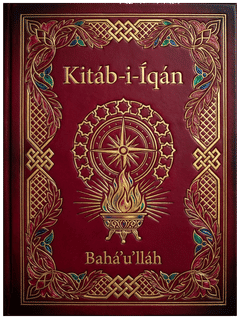
Kitáb-i-Íqán cover

Kitáb-i-Íqán

Bahá’u’lláh

The principal doctrinal work of the Faith, revealed in Baghdad within the space of two days and two nights in response to questions from the Báb’s maternal uncle. Shoghi Effendi described it as occupying a position unequalled by any work except the Kitáb-i-Aqdas — a model of Persian prose, at once original, chaste, vigorous, and remarkably lucid.

291 ¶

Prayers and Meditations cover

Prayers and Meditations

Bahá’u’lláh

Published in 1938, this companion volume to Gleanings contains 184 prayers and meditations selected by Shoghi Effendi from Bahá’u’lláh’s devotional writings revealed across successive exiles from Baghdad to ‘Akká. Shoghi Effendi described it as a volume whose perusal would deepen the spirit of devotion and faith.

858 ¶

Tablet of Aḥmad cover

Tablet of Aḥmad

Bahá’u’lláh

Revealed in Adrianople and addressed to a believer named Aḥmad, this Tablet has been invested by Bahá’u’lláh with a special potency and significance. Its central imagery draws on the metaphor of fire and water: “Be thou as a flame of fire to My enemies and a river of life eternal to My loved ones.”

17 ¶

Tablet of Carmel cover

Tablet of Carmel

Bahá’u’lláh

Revealed during a visit to Mount Carmel, this Tablet addresses the mountain directly and prophesies its future as the world spiritual and administrative center of the Faith. Shoghi Effendi designated it one of three foundational Charters. Its imagery of the Ark and the dwellers therein prefigures the Universal House of Justice.

5 ¶

Tablet of the Holy Mariner cover

Tablet of the Holy Mariner

Bahá’u’lláh

Chanted aloud in the outskirts of Baghdad just weeks before the Declaration in the Garden of Riḍván, its gloomy prognostications aroused the grave apprehensions of all who heard it. Only the Arabic portion has an authorized translation; the Persian portion remains untranslated.

57 ¶

The Hidden Words cover

The Hidden Words

Bahá’u’lláh

Seventy-one Arabic and eighty-two Persian aphorisms revealed around 1858 while walking along the banks of the Tigris in Baghdad. Originally designated the “Hidden Book of Fáṭimih,” Shoghi Effendi described it as a marvelous collection of gem-like utterances occupying a position of unsurpassed preeminence among the ethical writings of the Faith.

160 ¶

Will and Testament cover

Will and Testament

‘Abdu’l-Bahá

Written by ‘Abdu’l-Bahá in three parts between 1901 and 1908, opened and read after His passing on 28 November 1921. Shoghi Effendi designated it the Charter of the New World Order — the mightiest instrument forged to ensure the continuity of the three ages of the Bahá’í Dispensation.

59 ¶