Gleanings — §620

Arabic source with Shoghi Effendi’s authorized English translation. Paragraph 620 of 729.

Source (Arabic)

ن ثمّ ذَكِّر النّاس بما نطق الرّوح في هذا اللّوح الدّرّيّ المبين قل يا قوم لا تفسدوا في الأرض ولا تحاربوا مع أحد أن اصبروا في كلّ الأمور وتوكّلوا على الله وكونوا من المتوكّلين أن انصروا ربّكم الرّحمن بسيوف الحكمة والبيان وإنّ هذا شأن الإنسان ومن دون ذلك لا ينبغي لله الملك السّبحان ولكنّ النّاس غفلوا عن ذلك وكانوا من الغافلين أن افتحوا يا قوم مصاريع القلوب بمفاتيح الذِّكر من هذا الذِّكر الحكيم ما أراد الله من الأرض وما عليها إلّا قلوب عباده وجعلها عرش

Shoghi Effendi Translation

Arise to aid thy Lord at all times and in all circumstances, and be thou one of His helpers. Admonish, then, the people to lend a hearing ear to the words which the Spirit of God hath uttered in this irradiant and resplendent Tablet. Say: Sow not, O people, the seeds of dissension amongst men, and contend not with your neighbor. Be patient under all conditions, and place your whole trust and confidence in God. Aid ye your Lord with the sword of wisdom and of utterance. This indeed well becometh the station of man. To depart from it would be unworthy of God, the Sovereign Lord of all, the Glorified. The people, however, have been led astray, and are truly of the heedless.

Translation Notes

تفسدوا
tfsdúá f-s-d

literal: corruption; corrupt; corrupter

SE rendered الدّرّيّ (ad-drrír)المبين (al-mbín)قل (ql)قوم (qúm)تفسدوا (tfsdúá)الأرض (ar-rḍ)تحاربوا (tḥárbúá)أحد (ʾaḥd) as “irradiant and resplendent, amongst, Say, people, men, contend, neighbor”

الأمور
al-ʾamúr ʾ-m-r

literal: matter

SE rendered أحد (ʾaḥd)اصبروا (iṣbrúá)الأمور (al-ʾamúr)وتوكّلوا (wtúkklúá)الله (al-lh)وكونوا (wkúnúá) as “neighbor, Be patient, place, God, be thou”

affairs 25% things 20% events 15% acts 10% all 10% occupations 5% matter 5% deeds 5% results 5%
الرّحمن
ar-rḥmn r-ḥ-m

literal: mercy; merciful; the Merciful

SE rendered المتوكّلين (al-mtúkklín)انصروا (inṣrúá)ربّكم (rbbkm)الرّحمن (ar-rḥmn)بسيوف (bsíwf)الحكمة (al-ḥkmh)والبيان (wálbíán) as “one of His helpers, Aid ye, your Lord, with the sword, wisdom, and of utterance”

افتحوا
iftḥúá f-t-ḥ

literal: open; opened

SE rendered وكانوا (wkánúá)الغافلين (al-gháflín)افتحوا (iftḥúá)قوم (qúm) as “and are, the heedless, Arise”

open 60% conquer 20% purge 20%
مصاريع
mṣáríʿ ṣ-r-ʿ

literal: slain; slain/prostrate; door

SE rendered الغافلين (al-gháflín)افتحوا (iftḥúá)قوم (qúm)مصاريع (mṣáríʿ) as “the heedless, Arise”

laid 33% portals 33% sink 33%

Model Translations by Shoghi Effendi

Epistle to the Son of the Wolf cover

Epistle to the Son of the Wolf

Bahá’u’lláh

The last outstanding Tablet revealed by Bahá’u’lláh, written around 1891 and addressed to Shaykh Muḥammad-Taqí of Iṣfahán. It calls upon that rapacious priest to repent, quotes the most celebrated passages from Bahá’u’lláh’s own writings, and adduces proofs establishing the validity of His Cause.

268 ¶

Fire Tablet cover

Fire Tablet

Bahá’u’lláh

Revealed in late 1871 during a period of severe hardship in ‘Akká, this Tablet takes the form of an anguished dialogue between Bahá’u’lláh and God. Questions about the sufferings of the faithful are answered with divine assurances, building to a crescendo of triumph over tribulation.

50 ¶

Kitáb-i-'Ahd cover

Kitáb-i-’Ahd

Bahá’u’lláh

The Book of the Covenant — Bahá’u’lláh’s Will and Testament, written entirely in His own hand and unsealed on the ninth day after His ascension. It designates ‘Abdu’l-Bahá as His successor and establishes what Shoghi Effendi called the mightiest Covenant in all religious history.

16 ¶

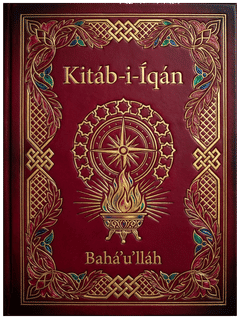
Kitáb-i-Íqán cover

Kitáb-i-Íqán

Bahá’u’lláh

The principal doctrinal work of the Faith, revealed in Baghdad within the space of two days and two nights in response to questions from the Báb’s maternal uncle. Shoghi Effendi described it as occupying a position unequalled by any work except the Kitáb-i-Aqdas — a model of Persian prose, at once original, chaste, vigorous, and remarkably lucid.

291 ¶

Prayers and Meditations cover

Prayers and Meditations

Bahá’u’lláh

Published in 1938, this companion volume to Gleanings contains 184 prayers and meditations selected by Shoghi Effendi from Bahá’u’lláh’s devotional writings revealed across successive exiles from Baghdad to ‘Akká. Shoghi Effendi described it as a volume whose perusal would deepen the spirit of devotion and faith.

858 ¶

Tablet of Aḥmad cover

Tablet of Aḥmad

Bahá’u’lláh

Revealed in Adrianople and addressed to a believer named Aḥmad, this Tablet has been invested by Bahá’u’lláh with a special potency and significance. Its central imagery draws on the metaphor of fire and water: “Be thou as a flame of fire to My enemies and a river of life eternal to My loved ones.”

17 ¶

Tablet of Carmel cover

Tablet of Carmel

Bahá’u’lláh

Revealed during a visit to Mount Carmel, this Tablet addresses the mountain directly and prophesies its future as the world spiritual and administrative center of the Faith. Shoghi Effendi designated it one of three foundational Charters. Its imagery of the Ark and the dwellers therein prefigures the Universal House of Justice.

5 ¶

Tablet of the Holy Mariner cover

Tablet of the Holy Mariner

Bahá’u’lláh

Chanted aloud in the outskirts of Baghdad just weeks before the Declaration in the Garden of Riḍván, its gloomy prognostications aroused the grave apprehensions of all who heard it. Only the Arabic portion has an authorized translation; the Persian portion remains untranslated.

57 ¶

The Hidden Words cover

The Hidden Words

Bahá’u’lláh

Seventy-one Arabic and eighty-two Persian aphorisms revealed around 1858 while walking along the banks of the Tigris in Baghdad. Originally designated the “Hidden Book of Fáṭimih,” Shoghi Effendi described it as a marvelous collection of gem-like utterances occupying a position of unsurpassed preeminence among the ethical writings of the Faith.

160 ¶

Will and Testament cover

Will and Testament

‘Abdu’l-Bahá

Written by ‘Abdu’l-Bahá in three parts between 1901 and 1908, opened and read after His passing on 28 November 1921. Shoghi Effendi designated it the Charter of the New World Order — the mightiest instrument forged to ensure the continuity of the three ages of the Bahá’í Dispensation.

59 ¶