Will and Testament — §3

Persian source with Shoghi Effendi’s authorized English translation. Paragraph 3 of 59.

Source (Persian)

ای احبّای الهی اعظم امور محافظۀ دین اللّه است و صیانت شریعت اللّه و حمایت امر اللّه و خدمت کلمة اللّه در این سبیل هزاران نفس خون مطهّر را سبیل نمودند و جان عزیز را فدا کردند رقص‌کنان بقربانگاه شتافتند و علم دین اللّه افراشتند و بخون خویش آیات توحید نگاشتند سینۀ مبارک حضرت اعلی روحی له الفدآء هدف هزار تیر بلا شد و قدوم مبارک جمال ابهی روحی لأحبّائه الفدآء از ضرب چوب در مازندران زخم و مجروح گردید و گردن مقدّس و پای مبارک در زندان طهران اسیر کند و زنجیر گشت و مدّت پنجاه سال در هر ساعتی بلا و آفتی رسید و ابتلا و مصیبتی رخ داد از جمله بعد از صدمات شدیده از وطن آواره و مبتلای آلام و محن شد و در عراق نیّر آفاق معرض کسوف از اهل نفاق بود و عاقبت سرگون بمدینۀ کبیره گشت و از آن شهر بارض سرّ نفی گردید و از خطّۀ بلغار در نهایت مظلومیّت بسجن اعظم ارسال گشت آن مظلوم آفاق روحی لأحبّائه الفدآء چهار مرتبه از شهری بشهری سرگون گردید تا در این زندان بحبس مؤبّد استقرار یافت و در سجن قاتلان و سارقان و قطّاع طریق مسجون و مظلوم گردید این یک بلا از بلایای واردۀ بر جمال مبارک بود بلایای دیگر را بر این قیاس نمائید

Shoghi Effendi Translation

O ye beloved of the Lord! The greatest of all things is the protection of the True Faith of God, the preservation of His Law, the safeguarding of His Cause and service unto His Word. Ten thousand souls have shed streams of their sacred blood in this path, their precious lives they offered in sacrifice unto Him, hastened wrapt in holy ecstasy unto the glorious field of martyrdom, upraised the Standard of God’s Faith and writ with their life-blood upon the Tablet of the world the verses of His Divine Unity. The sacred breast of His Holiness the Exalted One (may my life be a sacrifice unto Him) was made a target to many a dart of woe, and in Mázindarán, the blessed feet of the Abhá Beauty (may my life be offered up for His loved ones) were so grievously scourged as to bleed and be sore wounded. His neck also was put into captive chains and His feet made fast in the stocks. In every hour, for a period of fifty years, a new trial and calamity befell Him and fresh afflictions and cares beset Him. One of them: After having suffered intense vicissitudes, He was made homeless and a wanderer and fell a victim to still new vexations and troubles. In ‘Iráq, the Day-Star of the world was so exposed to the wiles of the people of malice as to be eclipsed in splendour. Later on He was sent an exile to the Great City (Constantinople) and thence to the Land of Mystery (Adrianople), whence, grievously wronged, He was eventually transferred to the Most Great Prison (‘Akká). He Whom the world hath wronged (may my life be offered up for His loved ones) was four times banished from city to city, till at last, condemned to perpetual confinement, He was incarcerated in this prison, the prison of highway robbers, of brigands and of manslayers. All this is but one of the trials that have afflicted the Blessed Beauty, the rest being even as grievous as this.

Translation Notes

عزیز
ʿzíz ʿ-z-z

literal: mighty; glory; might

SE rendered مطهّر (mṭhhr), سبیل (sbíl), نمودند (nmúdnd), جان (ján), عزیز (ʿzíz), فدا (fdá), کردند (krdnd), رقص‌کنان (rqṣ‌knán), بقربانگاه (bqrbángáh) as “sacred, shed, hath, precious lives, in sacrifice, offered, hastened wrapt in holy ecstasy, unto the glorious field”

رقص‌کنان
rqṣ‌knán r-q-ṣ → “wrapt”

literal: dancing

1 occurrence in corpus

بقربانگاه
bqrbángáh bqrbángáh → “unto”

literal: place-of-sacrifice

1 occurrence in corpus

شتافتند
shtáftnd sh-t-f

literal: hasten; hasten/hurry; hasten/rush

SE rendered فدا (fdá), کردند (krdnd), رقص‌کنان (rqṣ‌knán), بقربانگاه (bqrbángáh), شتافتند (shtáftnd), علم (ʿlm), دین (dín), اللّه (al-lh), افراشتند (ifráshtnd) as “in sacrifice, offered, hastened wrapt in holy ecstasy, unto the glorious field, the Standard, God’s Faith, upraised”

have 50% hastened 50%
افراشتند
ifráshtnd ʾ-f-r → “creator” Distinctive

literal: create; creator; raise

This form usually rendered as “upraised” (1 occurrences)

creator 33% created 33% upraised 33%
نگاشتند
ngáshtnd ngáshtnd → “writ”

literal: write

1 occurrence in corpus

چوب
chúb chúb

literal: wood

SE rendered روحی (rúḥí), لأحبّائه (lʾaḥbbáʾh), الفدآء (al-fdáʾ), از (iz), ضرب (ḍrb), چوب (chúb), مازندران (mázndrán), زخم (zkhm), مجروح (mjrúḥ), گردید (grdíd) as “my life, His loved ones), offered up, of, scourged, Mázindarán, bleed, sore wounded, were”

1 occurrence in corpus

مقدّس
mqdds q-d-s

literal: holiness; holy; sanctified

SE rendered زخم (zkhm), مجروح (mjrúḥ), گردید (grdíd), گردن (grdn), مقدّس (mqdds), پای (páy), مبارک (mbárk), زندان (zndán) as “bleed, sore wounded, were, His neck, His feet, the stocks”

زنجیر
znjír z-n-j-y-r

literal: chain

SE rendered زندان (zndán), طهران (ṭhrán), اسیر (isír), کند (knd), زنجیر (znjír), گشت (gsht), مدّت (mddt), پنجاه (pnjáh), سال (sál), هر (hr) as “the stocks, captive chains, made fast, was put, a period, fifty, years, every”

1 occurrence in corpus

پنجاه
pnjáh pnjáh → “fifty”

literal: fifty

2 occurrences in corpus

رخ
rkh rkh

literal: face

SE rendered آفتی (áftí), رسید (rsíd), ابتلا (ibtlá), مصیبتی (mṣíbtí), رخ (rkh), داد (dád), از (iz), جمله (jmlh), از (iz), صدمات (ṣdmát), شدیده (shdídh) as “calamity, befell, afflictions, cares, beset, having suffered, One of them, intense”

2 occurrences in corpus

صدمات
ṣdmát ṣ-d-m → “injuries” Distinctive

literal: affliction

This form usually rendered as “vicissitudes”, “afflictions” (2 occurrences)

وطن
wṭn w-ṭ-n → “and”

literal: homeland; homeland, home

SE rendered از (iz), جمله (jmlh), از (iz), صدمات (ṣdmát), شدیده (shdídh), از (iz), وطن (wṭn), آواره (áwárh), مبتلای (mbtláy), آلام (álám), محن (mḥn) as “of, One of them, intense, and, homeless, a victim, vexations, troubles”

home 36% land 18% own 9% native 9% country 9% most 9% shelter 9%
آواره
áwárh w-r-h → “wanderer”

literal: wanderer

1 occurrence in corpus

بمدینۀ
bmdínۀ m-d-n

literal: city; cities; civilization

SE rendered از (iz), اهل (ihl), نفاق (nfáq), عاقبت (ʿáqbt), سرگون (srgún), بمدینۀ (bmdínۀ), کبیره (kbírh), گشت (gsht), از (iz), شهر (shhr), بارض (bárḍ) as “of, the people, malice, Later on, sent, the Great City, was, Land”

شهر
shhr shhr

literal: city; month

SE rendered سرگون (srgún), بمدینۀ (bmdínۀ), کبیره (kbírh), گشت (gsht), از (iz), شهر (shhr), بارض (bárḍ), سرّ (srr), نفی (nfí), گردید (grdíd), از (iz) as “sent, the Great City, was, of, Land, Mystery, exile”

city 38% months 25% four 13% month 13% therein 13%
خطّۀ
khṭṭۀ kh-ṭ-ṭ

literal: handwriting; line; script

SE rendered بارض (bárḍ), سرّ (srr), نفی (nfí), گردید (grdíd), از (iz), خطّۀ (khṭṭۀ), بلغار (blghár), نهایت (nháyt), مظلومیّت (mẓlúmímt), بسجن (bsjn) as “Land, Mystery, exile, was, of, Adrianople, grievously, wronged, the Most Great Prison”

بلغار

literal: adrianople

1 occurrence in corpus

چهار
chhár chhár → “four”

literal: four

1 occurrence in corpus

استقرار
istqrár q-r-r

literal: established

SE rendered زندان (zndán), بحبس (bḥbs), مؤبّد (mʾbbd), استقرار (istqrár), یافت (yáft), سجن (sjn), قاتلان (qátlán), سارقان (sárqán) as “prison, confinement, perpetual, last, manslayers, robbers”

قطّاع
qṭṭáʿ q-ṭ-ʿ

literal: detachment; detached; severed

SE rendered سجن (sjn), قاتلان (qátlán), سارقان (sárqán), قطّاع (qṭṭáʿ), طریق (ṭríq), مسجون (msjún), مظلوم (mẓlúm), گردید (grdíd) as “prison, manslayers, robbers, highway, incarcerated, wronged, was”

rid 19% detached 17% detachment 16% have 14% renunciation 10% cease 6% detach 5% wholly 5% absolute 4% may 4%
دیگر
dígr dígr

literal: other; other, another; other/another

SE rendered واردۀ (wárdۀ), بر (br), جمال (jmál), مبارک (mbárk), بلایای (bláyáy), دیگر (dígr), بر (br), قیاس (qíás), نمائید (nmáʾíd) as “afflicted, upon, Blessed Beauty, rest, as grievous as this, may”

another 31% other 15% moreover 15% different 13% yet 6% furthermore 6% again 4% else 4% now 4% following 2%
قیاس
qíás q-y-s → “sought” Distinctive

literal: comparison; measure; measured

This form usually rendered as “even” (1 occurrences)

sought 33% measure 33% even 33%

Model Translations by Shoghi Effendi

Epistle to the Son of the Wolf cover

Epistle to the Son of the Wolf

Bahá’u’lláh

The last outstanding Tablet revealed by Bahá’u’lláh, written around 1891 and addressed to Shaykh Muḥammad-Taqí of Iṣfahán. It calls upon that rapacious priest to repent, quotes the most celebrated passages from Bahá’u’lláh’s own writings, and adduces proofs establishing the validity of His Cause.

268 ¶

Fire Tablet cover

Fire Tablet

Bahá’u’lláh

Revealed in late 1871 during a period of severe hardship in ‘Akká, this Tablet takes the form of an anguished dialogue between Bahá’u’lláh and God. Questions about the sufferings of the faithful are answered with divine assurances, building to a crescendo of triumph over tribulation.

50 ¶

Gleanings cover

Gleanings

Bahá’u’lláh

A compilation of 166 selections from Bahá’u’lláh’s Tablets, spanning the Baghdad, Adrianople, and ‘Akká periods (1853–1892). George Townshend assisted with English refinement. Shoghi Effendi wrote that it gives the friends a splendid opportunity to acquire knowledge and understanding of the Faith.

729 ¶

Kitáb-i-'Ahd cover

Kitáb-i-’Ahd

Bahá’u’lláh

The Book of the Covenant — Bahá’u’lláh’s Will and Testament, written entirely in His own hand and unsealed on the ninth day after His ascension. It designates ‘Abdu’l-Bahá as His successor and establishes what Shoghi Effendi called the mightiest Covenant in all religious history.

16 ¶

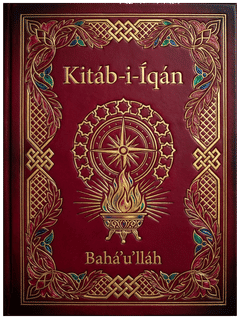
Kitáb-i-Íqán cover

Kitáb-i-Íqán

Bahá’u’lláh

The principal doctrinal work of the Faith, revealed in Baghdad within the space of two days and two nights in response to questions from the Báb’s maternal uncle. Shoghi Effendi described it as occupying a position unequalled by any work except the Kitáb-i-Aqdas — a model of Persian prose, at once original, chaste, vigorous, and remarkably lucid.

291 ¶

Prayers and Meditations cover

Prayers and Meditations

Bahá’u’lláh

Published in 1938, this companion volume to Gleanings contains 184 prayers and meditations selected by Shoghi Effendi from Bahá’u’lláh’s devotional writings revealed across successive exiles from Baghdad to ‘Akká. Shoghi Effendi described it as a volume whose perusal would deepen the spirit of devotion and faith.

858 ¶

Tablet of Aḥmad cover

Tablet of Aḥmad

Bahá’u’lláh

Revealed in Adrianople and addressed to a believer named Aḥmad, this Tablet has been invested by Bahá’u’lláh with a special potency and significance. Its central imagery draws on the metaphor of fire and water: “Be thou as a flame of fire to My enemies and a river of life eternal to My loved ones.”

17 ¶

Tablet of Carmel cover

Tablet of Carmel

Bahá’u’lláh

Revealed during a visit to Mount Carmel, this Tablet addresses the mountain directly and prophesies its future as the world spiritual and administrative center of the Faith. Shoghi Effendi designated it one of three foundational Charters. Its imagery of the Ark and the dwellers therein prefigures the Universal House of Justice.

5 ¶

Tablet of the Holy Mariner cover

Tablet of the Holy Mariner

Bahá’u’lláh

Chanted aloud in the outskirts of Baghdad just weeks before the Declaration in the Garden of Riḍván, its gloomy prognostications aroused the grave apprehensions of all who heard it. Only the Arabic portion has an authorized translation; the Persian portion remains untranslated.

57 ¶

The Hidden Words cover

The Hidden Words

Bahá’u’lláh

Seventy-one Arabic and eighty-two Persian aphorisms revealed around 1858 while walking along the banks of the Tigris in Baghdad. Originally designated the “Hidden Book of Fáṭimih,” Shoghi Effendi described it as a marvelous collection of gem-like utterances occupying a position of unsurpassed preeminence among the ethical writings of the Faith.

160 ¶