Gleanings — §687

Arabic source with Shoghi Effendi’s authorized English translation. Paragraph 687 of 729.

Source (Arabic)

ای عباد نيست در اين قلب مگر تجلّيات انوار صبح بقا و تکلم نمينمايد مگر بر حق خالص از پروردگار شما پس متابعت نفس ننمائيد و عهد اللّه را مشکنيد و نقض ميثاق مکنيد باستقامت تمام بدل و قلب و زبان باو توجه نمائيد و نباشيد از بيخردان دنيا نمايشی است بی حقيقت و نيستی است بصورت هستی آراسته دل باو مبنديد و از پروردگار خود مگسليد و مباشيد از غفلت کنندگان براستی ميگويم که مثل دنيا مثل سرابيست که بصورت آب نمايد و صاحبان عطش در طلبش جهد بليغ نمايند و چون باو رسند بی بهره و بی نصيب مانند و يا صورت معشوقی که از جان و روح عاری مانده و عاشق چون بدو رسد لا يسمن و لا يغنی مشاهده نمايد و جز تعب زياد و حسرت حاصلی نيابد

Shoghi Effendi Translation

O My servants! There shineth nothing else in Mine heart except the unfading light of the Morn of Divine guidance, and out of My mouth proceedeth naught but the essence of truth, which the Lord your God hath revealed. Follow not, therefore, your earthly desires, and violate not the Covenant of God, nor break your pledge to Him. With firm determination, with the whole affection of your heart, and with the full force of your words, turn ye unto Him, and walk not in the ways of the foolish. The world is but a show, vain and empty, a mere nothing, bearing the semblance of reality. Set not your affections upon it. Break not the bond that uniteth you with your Creator, and be not of those that have erred and strayed from His ways. Verily I say, the world is like the vapor in a desert, which the thirsty dreameth to be water and striveth after it with all his might, until when he cometh unto it, he findeth it to be mere illusion. It may, moreover, be likened unto the lifeless image of the beloved whom the lover hath sought and found, in the end, after long search and to his utmost regret, to be such as cannot “fatten nor appease his hunger.”

Translation Notes

تجلّيات
tjllíát j-l-y

literal: manifestation; manifestations; manifested

SE rendered عباد (ʿbád), نيست (níst), قلب (qlb), مگر (mgr), تجلّيات (tjllíát), انوار (inúár), صبح (ṣbḥ), بقا (bqá), تکلم (tklm), نمينمايد (nmínmáyd) as “servants, There, heart, except, unfading light, Morn, Divine guidance, mouth proceedeth, may”

مشکنيد
mshkníd sh-k-n → “violate”

literal: break

1 occurrence in corpus

تمام
tmám t-m-m

literal: complete; all; completed

SE rendered نقض (nqḍ), ميثاق (mítháq), مکنيد (mkníd), باستقامت (bástqámt), تمام (tmám), بدل (bdl), قلب (qlb), زبان (zbán), باو (báw), توجه (tújh), نمائيد (nmáʾíd) as “your, pledge, to Him., With firm determination, the whole affection, out, unto Him, turn”

بدل
bdl b-d-l

literal: change; transformation

SE rendered نقض (nqḍ), ميثاق (mítháq), مکنيد (mkníd), باستقامت (bástqámt), تمام (tmám), بدل (bdl), قلب (qlb), زبان (zbán), باو (báw), توجه (tújh), نمائيد (nmáʾíd) as “your, pledge, to Him., With firm determination, the whole affection, out, unto Him, turn”

turned 25% make 13% changed 13% transformed 13% hath 13% instead 13% turn 13%
بی
bí b-y

literal: without; is

SE rendered نباشيد (nbáshíd), از (iz), بيخردان (bíkhrdán), دنيا (dníá), نمايشی (nmáyshí), بی (bí), حقيقت (ḥqíqt), نيستی (nístí), بصورت (bṣúrt), هستی (hstí) as “walk not, foolish, world, show, reality, mere nothing, the semblance, hath”

آراسته
árásth árástn

literal: wanted; adorn; adorned

SE rendered حقيقت (ḥqíqt), نيستی (nístí), بصورت (bṣúrt), هستی (hstí), آراسته (árásth), دل (dl), باو (báw), مبنديد (mbndíd), از (iz), پروردگار (prúrdgár) as “reality, mere nothing, the semblance, hath, your affections, upon it, Set not, Creator”

fair 50% bearing 50%
مبنديد
mbndíd b-n-d → “set not”

literal: bind; bind not; bind/attach

set 60% cleave 20% chains 20%
مگسليد
mgslíd mgslíd → “break”

literal: break not

1 occurrence in corpus

مباشيد
mbáshíd b-w-d → “is”

literal: be; are; is

SE rendered از (iz), پروردگار (prúrdgár), مگسليد (mgslíd), مباشيد (mbáshíd), از (iz), غفلت (ghflt), کنندگان (knndgán), براستی (brástí), ميگويم (mígúym) as “Creator, Break not, be not, erred and strayed, those, Verily, say”

have 17% hath 17% faced 8% found 8% refuse 8% ye 8% nonexistence 8% let 8% fierce 8% impress 8%
کنندگان
knndgán knndgán → “those”

literal: doer, one who does; doers

2 occurrences in corpus

سرابيست
srábíst s-r-b → “which” Distinctive

literal: mirage

This form usually rendered as “vapor” (1 occurrences)

which 50% vapor 50%
طلبش
ṭlbsh ṭ-l-b → “it”

literal: seeking; seek; seeker

SE rendered آب (áb), نمايد (nmáyd), صاحبان (ṣáḥbán), عطش (ʿṭsh), طلبش (ṭlbsh), جهد (jhd), بليغ (blígh), نمايند (nmáynd), چون (chún), باو (báw) as “water, thirsty, it, all his might, striveth, when, unto it”

seeker 16% beseech 13% ask 12% theme 10% seek 9% search 9% seekers 7% desire 7% object 7% eagerness 7%
نصيب
nṣíb n-ṣ-b

literal: portion; share

SE rendered چون (chún), باو (báw), رسند (rsnd), بی (bí), بهره (bhrh), بی (bí), نصيب (nṣíb), مانند (mánnd), صورت (ṣúrt), معشوقی (mʿshúqí) as “when, unto it, cometh, revealed, findeth, lifeless image, beloved”

share 42% portion 33% partake 8% favour 8% deprive 8%
جان
ján ján

literal: soul; life; soul, life

SE rendered مانند (mánnd), صورت (ṣúrt), معشوقی (mʿshúqí), از (iz), جان (ján), روح (rúḥ), عاری (ʿárí), مانده (mándh), عاشق (ʿáshq) as “findeth, lifeless image, beloved, lover”

lives 40% life 23% soul 16% spirit 5% heart 5% souls 4% dearly 2% own 2% inner 2% lifeless 2%
روح
rúḥ r-w-ḥ

literal: spirit; spiritual; soul

SE rendered صورت (ṣúrt), معشوقی (mʿshúqí), از (iz), جان (ján), روح (rúḥ), عاری (ʿárí), مانده (mándh), عاشق (ʿáshq), چون (chún), بدو (bdú) as “lifeless image, beloved, lover, sought”

spirit 69% soul 10% breath 4% life 4% souls 3% who 3% joy 2% holy 2% jesus 2% ghost 2%
عاری
ʿárí ʿ-r-y

literal: devoid; strip; bare/strip

SE rendered صورت (ṣúrt), معشوقی (mʿshúqí), از (iz), جان (ján), روح (rúḥ), عاری (ʿárí), مانده (mándh), عاشق (ʿáshq), چون (chún), بدو (bdú), رسد (rsd) as “lifeless image, beloved, lover, sought”

مانده
mándh mándn

literal: remain; remained; to remain

SE rendered معشوقی (mʿshúqí), از (iz), جان (ján), روح (rúḥ), عاری (ʿárí), مانده (mándh), عاشق (ʿáshq), چون (chún), بدو (bdú), رسد (rsd) as “beloved, lover, sought”

have 18% left 9% leaving 9% strayed 9% endureth 9% still 9% would 9% may 9% knowledge 9% shall 9%
يسمن
ysmn s-m-n

literal: fatten

SE rendered عاشق (ʿáshq), چون (chún), بدو (bdú), رسد (rsd), يسمن (ysmn), يغنی (yghní), مشاهده (msháhdh), نمايد (nmáyd) as “lover, sought, appease, found”

1 occurrence in corpus

تعب
tʿb t-ʿ-b

literal: fatigue/toil; toil

SE rendered يغنی (yghní), مشاهده (msháhdh), نمايد (nmáyd), جز (jz), تعب (tʿb), زياد (zíád), حسرت (ḥsrt) as “appease, found, utmost, regret”

search 50% toil 50%
حاصلی
ḥáṣlí ḥ-ṣ-l

literal: result

SE rendered مشاهده (msháhdh), نمايد (nmáyd), جز (jz), تعب (tʿb), زياد (zíád), حسرت (ḥsrt), حاصلی (ḥáṣlí) as “found, utmost, regret”

utterly 50% result 50%

Model Translations by Shoghi Effendi

Epistle to the Son of the Wolf cover

Epistle to the Son of the Wolf

Bahá’u’lláh

The last outstanding Tablet revealed by Bahá’u’lláh, written around 1891 and addressed to Shaykh Muḥammad-Taqí of Iṣfahán. It calls upon that rapacious priest to repent, quotes the most celebrated passages from Bahá’u’lláh’s own writings, and adduces proofs establishing the validity of His Cause.

268 ¶

Fire Tablet cover

Fire Tablet

Bahá’u’lláh

Revealed in late 1871 during a period of severe hardship in ‘Akká, this Tablet takes the form of an anguished dialogue between Bahá’u’lláh and God. Questions about the sufferings of the faithful are answered with divine assurances, building to a crescendo of triumph over tribulation.

50 ¶

Kitáb-i-'Ahd cover

Kitáb-i-’Ahd

Bahá’u’lláh

The Book of the Covenant — Bahá’u’lláh’s Will and Testament, written entirely in His own hand and unsealed on the ninth day after His ascension. It designates ‘Abdu’l-Bahá as His successor and establishes what Shoghi Effendi called the mightiest Covenant in all religious history.

16 ¶

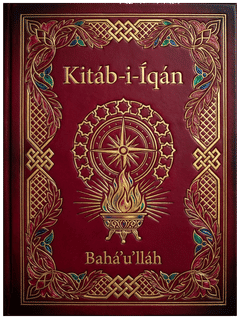
Kitáb-i-Íqán cover

Kitáb-i-Íqán

Bahá’u’lláh

The principal doctrinal work of the Faith, revealed in Baghdad within the space of two days and two nights in response to questions from the Báb’s maternal uncle. Shoghi Effendi described it as occupying a position unequalled by any work except the Kitáb-i-Aqdas — a model of Persian prose, at once original, chaste, vigorous, and remarkably lucid.

291 ¶

Prayers and Meditations cover

Prayers and Meditations

Bahá’u’lláh

Published in 1938, this companion volume to Gleanings contains 184 prayers and meditations selected by Shoghi Effendi from Bahá’u’lláh’s devotional writings revealed across successive exiles from Baghdad to ‘Akká. Shoghi Effendi described it as a volume whose perusal would deepen the spirit of devotion and faith.

858 ¶

Tablet of Aḥmad cover

Tablet of Aḥmad

Bahá’u’lláh

Revealed in Adrianople and addressed to a believer named Aḥmad, this Tablet has been invested by Bahá’u’lláh with a special potency and significance. Its central imagery draws on the metaphor of fire and water: “Be thou as a flame of fire to My enemies and a river of life eternal to My loved ones.”

17 ¶

Tablet of Carmel cover

Tablet of Carmel

Bahá’u’lláh

Revealed during a visit to Mount Carmel, this Tablet addresses the mountain directly and prophesies its future as the world spiritual and administrative center of the Faith. Shoghi Effendi designated it one of three foundational Charters. Its imagery of the Ark and the dwellers therein prefigures the Universal House of Justice.

5 ¶

Tablet of the Holy Mariner cover

Tablet of the Holy Mariner

Bahá’u’lláh

Chanted aloud in the outskirts of Baghdad just weeks before the Declaration in the Garden of Riḍván, its gloomy prognostications aroused the grave apprehensions of all who heard it. Only the Arabic portion has an authorized translation; the Persian portion remains untranslated.

57 ¶

The Hidden Words cover

The Hidden Words

Bahá’u’lláh

Seventy-one Arabic and eighty-two Persian aphorisms revealed around 1858 while walking along the banks of the Tigris in Baghdad. Originally designated the “Hidden Book of Fáṭimih,” Shoghi Effendi described it as a marvelous collection of gem-like utterances occupying a position of unsurpassed preeminence among the ethical writings of the Faith.

160 ¶

Will and Testament cover

Will and Testament

‘Abdu’l-Bahá

Written by ‘Abdu’l-Bahá in three parts between 1901 and 1908, opened and read after His passing on 28 November 1921. Shoghi Effendi designated it the Charter of the New World Order — the mightiest instrument forged to ensure the continuity of the three ages of the Bahá’í Dispensation.

59 ¶