Will and Testament — §10

Persian source with Shoghi Effendi’s authorized English translation. Paragraph 10 of 59.

Source (Persian)

الهی الهی تری عبدک المظلوم بین مخالب سباع ضاریة و ذئاب کاسرة و وحوش خاسرة ربّ وفّقنی فی حبّک علی تجرّع هذه الکأس الطّافحة بصهبآء الوفآء الممتلئة بفیض العطآء حتّی یحمرّ قمیصی بدمی طریحاً علی التّراب صریعاً لا حراک للأعضآء هذا منائی و رجائی و املی و عزّی و علائی ولیکن خاتمة حیاتی ختام مسک یا ربّی و ملاذی و هل من موهبة اعظم من هذا لا وحضرة عزّک و انّی اشهدک انّنی اذوق هذه الکأس فی کلّ الأیّام بما اکتسبت ایدی الّذین نقضوا المیثاق و اعلنوا الشّقاق و اظهروا النّفاق و اظهروا فی الأرض الفساد و ما راعوا حرمتک بین العباد ربّ احفظ حصن دینک المبین من هؤلاء النّاکثین و احرس حماک الحصین من عصبة المارقین انّک انت القویّ المقتدر العزیز المتین

Shoghi Effendi Translation

O God, my God! Thou seest this wronged servant of Thine, held fast in the talons of ferocious lions, of ravening wolves, of bloodthirsty beasts. Graciously assist me, through my love for Thee, that I may drink deep of the chalice that brimmeth over with faithfulness to Thee and is filled with Thy bountiful Grace; so that, fallen upon the dust, I may sink prostrate and senseless whilst my vesture is dyed crimson with my blood. This is my wish, my heart’s desire, my hope, my pride, my glory. Grant, O Lord my God, and my Refuge, that in my last hour, my end may even as musk shed its fragrance of glory! Is there a bounty greater than this? Nay, by Thy Glory! I call Thee to witness that no day passeth but that I quaff my fill from this cup, so grievous are the misdeeds wrought by them that have broken the Covenant, kindled discord, showed their malice, stirred sedition in the land and dishonoured Thee amidst Thy servants. Lord! Shield Thou from these Covenant-breakers the mighty Stronghold of Thy Faith and protect Thy secret Sanctuary from the onslaught of the ungodly. Thou art in truth the Mighty, the Powerful, the Gracious, the Strong.

Translation Notes

المظلوم
al-mẓlúm ẓ-l-m

literal: wronged

SE rendered الهی (al-hí)الهی (al-hí)تری (trí)عبدک (ʿbdk)المظلوم (al-mẓlúm)مخالب (mkhálb)سباع (sbáʿ)ضاریة (ḍáríh)ذئاب (dhʾáb) as “God, my God, Thou seest, wronged servant, the talons, lions, ferocious, wolves”

ضاریة
ḍáríh ḍ-r-y “ferocious”

literal: ferocious

1 occurrence in corpus

حبّک
ḥbbk ḥ-b-b

literal: love; beloved; beloved ones

SE rendered وحوش (wḥúsh)خاسرة (khásrh)ربّ (rbb)وفّقنی (wffqní)حبّک (ḥbbk)تجرّع (tjrrʿ)الکأس (al-kʾas)الطّافحة (aṭ-ṭáfḥh) as “beasts, bloodthirsty, O Lord, Graciously assist, drink, the chalice, brimmeth over”

love 92% thou 1% loveth 1% own 1% thee 1% whose 1% tenderness 1% have 1% bear 1% woe 1%
تجرّع
tjrrʿ j-r-ʿ “drink”

literal: gulp

1 occurrence in corpus

بصهبآء
bṣhbáʾ ṣ-h-b

literal: wine

SE rendered تجرّع (tjrrʿ)الکأس (al-kʾas)الطّافحة (aṭ-ṭáfḥh)بصهبآء (bṣhbáʾ)الوفآء (al-wfáʾ)الممتلئة (al-mmtlʾh)بفیض (bfíḍ)العطآء (al-ʿṭáʾ) as “drink, the chalice, brimmeth over, with faithfulness, is filled, Thy bountiful Grace”

wine 67% immortal 33%
طریحاً
ṭríḥáan ṭ-r-ḥ “fallen upon”

literal: thrown; thrown down; prostrate

3 occurrences in corpus

صریعاً
ṣríʿáan ṣ-r-ʿ “laid” Distinctive

literal: slain; slain/prostrate; door

This form usually rendered as “sink” (1 occurrences)

laid 33% portals 33% sink 33%
للأعضآء
llʾaʿḍáʾ ʿ-ḍ-w

literal: limb

SE rendered التّراب (at-tráb)صریعاً (ṣríʿáan)حراک (ḥrák)للأعضآء (llʾaʿḍáʾ)منائی (mnáʾí)رجائی (rjáʾí)املی (imlí) as “the dust, sink prostrate, and senseless, my wish, my heart’s desire, my hope”

limb 67% rest 33%
حیاتی
ḥíátí ḥ-y-y

literal: life; living; shame

SE rendered عزّی (ʿzzí)علائی (ʿláʾí)ولیکن (wlíkn)خاتمة (khátmh)حیاتی (ḥíátí)ختام (khtám)مسک (msk)ربّی (rbbí)ملاذی (mládhí)هل (hl) as “my pride, my glory, Grant, last hour, my end, musk, my Refuge, Is there”

life 52% living 8% shame 8% quickened 6% quicken 4% hath 4% may 4% everlasting 4% quickener 4% new 4%
هل
hl h-l “people” Distinctive

literal: people

This form usually rendered as “"hath”, “know”, “think” (3 occurrences)

“hath 33% know 33% think 33%
وحضرة
wḥḍrh ḥ-ḍ-r

literal: presence, majesty

SE rendered هل (hl)موهبة (múhbh)اعظم (iʿẓm)وحضرة (wḥḍrh)عزّک (ʿzzk)انّی (inní)اشهدک (ishhdk)انّنی (innní)اذوق (idhúq) as “Is there, a bounty, greater than, Thy Glory, I, call Thee to witness, Thee, quaff my fill”

majesty 38% honor 13% had 13% suited 13% have 13% stood 13%
ایدی
iydí y-d-y

literal: hand; hands; by-hand

SE rendered الأیّام (al-ʾayyám)اکتسبت (iktsbt)ایدی (iydí)الّذین (adh-dhín)نقضوا (nqḍúá)المیثاق (al-mítháq)اعلنوا (iʿlnúá) as “no day passeth, wrought, them that, have broken, the Covenant, kindled”

hands 70% hand 9% sword 4% mercy 4% designs 4% assaults 4% into 4%
الفساد
al-fsád f-s-d

literal: corruption; corrupt; corrupter

SE rendered النّفاق (an-nfáq)اظهروا (iẓhrúá)الأرض (ar-rḍ)الفساد (al-fsád)راعوا (ráʿúá)حرمتک (ḥrmtk)العباد (al-ʿbád) as “sedition, stirred, land, dishonoured, Thee, Thy servants”

disorder 17% spread 17% goodly 17% evil 17% sower 17% sedition 17%
المبین
al-mbín b-y-n “utterance”

literal: utterance

SE rendered العباد (al-ʿbád)ربّ (rbb)احفظ (iḥfẓ)حصن (ḥṣn)دینک (dínk)المبین (al-mbín)هؤلاء (hʾláʾ)النّاکثین (an-nákthín)احرس (iḥrs) as “Thy servants, Lord, Shield, the mighty Stronghold, Thy Faith, these Covenant-breakers, protect”

النّاکثین
an-nákthín n-k-th “violated” Distinctive

literal: violator; broke/violated; violators

This form usually rendered as “covenant-breakers” (1 occurrences)

المارقین
al-márqín m-r-q “ungodly”

literal: apostates

1 occurrence in corpus

Model Translations by Shoghi Effendi

Epistle to the Son of the Wolf cover

Epistle to the Son of the Wolf

Bahá’u’lláh

The last outstanding Tablet revealed by Bahá’u’lláh, written around 1891 and addressed to Shaykh Muḥammad-Taqí of Iṣfahán. It calls upon that rapacious priest to repent, quotes the most celebrated passages from Bahá’u’lláh’s own writings, and adduces proofs establishing the validity of His Cause.

268 ¶

Fire Tablet cover

Fire Tablet

Bahá’u’lláh

Revealed in late 1871 during a period of severe hardship in ‘Akká, this Tablet takes the form of an anguished dialogue between Bahá’u’lláh and God. Questions about the sufferings of the faithful are answered with divine assurances, building to a crescendo of triumph over tribulation.

50 ¶

Gleanings cover

Gleanings

Bahá’u’lláh

A compilation of 166 selections from Bahá’u’lláh’s Tablets, spanning the Baghdad, Adrianople, and ‘Akká periods (1853–1892). George Townshend assisted with English refinement. Shoghi Effendi wrote that it gives the friends a splendid opportunity to acquire knowledge and understanding of the Faith.

729 ¶

Kitáb-i-'Ahd cover

Kitáb-i-’Ahd

Bahá’u’lláh

The Book of the Covenant — Bahá’u’lláh’s Will and Testament, written entirely in His own hand and unsealed on the ninth day after His ascension. It designates ‘Abdu’l-Bahá as His successor and establishes what Shoghi Effendi called the mightiest Covenant in all religious history.

16 ¶

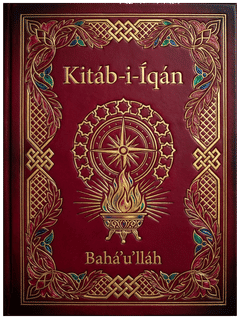
Kitáb-i-Íqán cover

Kitáb-i-Íqán

Bahá’u’lláh

The principal doctrinal work of the Faith, revealed in Baghdad within the space of two days and two nights in response to questions from the Báb’s maternal uncle. Shoghi Effendi described it as occupying a position unequalled by any work except the Kitáb-i-Aqdas — a model of Persian prose, at once original, chaste, vigorous, and remarkably lucid.

291 ¶

Prayers and Meditations cover

Prayers and Meditations

Bahá’u’lláh

Published in 1938, this companion volume to Gleanings contains 184 prayers and meditations selected by Shoghi Effendi from Bahá’u’lláh’s devotional writings revealed across successive exiles from Baghdad to ‘Akká. Shoghi Effendi described it as a volume whose perusal would deepen the spirit of devotion and faith.

858 ¶

Tablet of Aḥmad cover

Tablet of Aḥmad

Bahá’u’lláh

Revealed in Adrianople and addressed to a believer named Aḥmad, this Tablet has been invested by Bahá’u’lláh with a special potency and significance. Its central imagery draws on the metaphor of fire and water: “Be thou as a flame of fire to My enemies and a river of life eternal to My loved ones.”

17 ¶

Tablet of Carmel cover

Tablet of Carmel

Bahá’u’lláh

Revealed during a visit to Mount Carmel, this Tablet addresses the mountain directly and prophesies its future as the world spiritual and administrative center of the Faith. Shoghi Effendi designated it one of three foundational Charters. Its imagery of the Ark and the dwellers therein prefigures the Universal House of Justice.

5 ¶

Tablet of the Holy Mariner cover

Tablet of the Holy Mariner

Bahá’u’lláh

Chanted aloud in the outskirts of Baghdad just weeks before the Declaration in the Garden of Riḍván, its gloomy prognostications aroused the grave apprehensions of all who heard it. Only the Arabic portion has an authorized translation; the Persian portion remains untranslated.

57 ¶

The Hidden Words cover

The Hidden Words

Bahá’u’lláh

Seventy-one Arabic and eighty-two Persian aphorisms revealed around 1858 while walking along the banks of the Tigris in Baghdad. Originally designated the “Hidden Book of Fáṭimih,” Shoghi Effendi described it as a marvelous collection of gem-like utterances occupying a position of unsurpassed preeminence among the ethical writings of the Faith.

160 ¶