Gleanings — §674

Arabic source with Shoghi Effendi’s authorized English translation. Paragraph 674 of 729.

Source (Arabic)

ای بلبلان فانی در گلزار باقی گلی شکفته که همهٴ گلها نزدش چون خار و جوهر جمال نزدش بی‌مقدار پس از جان بخروشید و از دل بسروشید و از روان بنوشید و از تن بکوشید که شاید ببوستان وصال درآئید و از گل بی‌مثال ببوئید و از لقای بیزوال حصّه برید و از این نسیم خوش صبای معنوی غافل نشوید و از این رائحهٴ قدس روحانی بی‌نصیب نمانید این پند بندها را بگسلد و سلسلهٴ جنون عشق را بجنباند دلها را بدلدار رساند و جانها را بجانان سپارد قفس بشکند و چون طیر روحی قصد آشیان قدس

Shoghi Effendi Translation

Hear Me, ye mortal birds! In the Rose Garden of changeless splendor a Flower hath begun to bloom, compared to which every other flower is but a thorn, and before the brightness of Whose glory the very essence of beauty must pale and wither. Arise, therefore, and, with the whole enthusiasm of your hearts, with all the eagerness of your souls, the full fervor of your will, and the concentrated efforts of your entire being, strive to attain the paradise of His presence, and endeavor to inhale the fragrance of the incorruptible Flower, to breathe the sweet savors of holiness, and to obtain a portion of this perfume of celestial glory. Whoso followeth this counsel will break his chains asunder, will taste the abandonment of enraptured love, will attain unto his heart’s desire, and will surrender his soul into the hands of his Beloved. Bursting through his cage, he will, even as the bird of the spirit, wing his flight to his holy and everlasting nest.

Translation Notes

ای
ʾ-y-y “signs” Distinctive

literal: O; vocative particle; oh (vocative particle)

بلبلان

literal: confusion; mixture of languages; disorder

فانی

literal: annihilation; perishing; extinction; cessation; the threshold

در

literal: in; in, at; radiant

گلزار

literal: rose-garden; flower-bed

باقی

literal: remaining; everlasting; eternal; immortal

شکفته

literal: bloomed; opened; blossomed; to blossom; to bloom; to open

که
k-h

literal: that; who; who, that

همهٴ
h-m “all” Distinctive

literal: all; also; that same

نزدش
n-z-d “unto” Distinctive

literal: near; beside; with; in the presence of

چون

literal: since; when; as

خار
kh-y-r “good” Distinctive

literal: thornland; place of thorns; wilderness

جوهر

literal: jewel; essence; gem; substance

جمال

literal: beauty; comeliness

بی‌مقدار
q-d-r “power” Distinctive

literal: power; might; decree; measure; worth

پس

literal: then; then, therefore; therefore

از

literal: from

جان

literal: soul; life; spirit; self

بخروشید
kh-r-sh “Daystar” Distinctive

literal: to roar; to cry out; to shriek

دل

literal: to argue; to demonstrate; proof

بسروشید

literal: cypress (tree); call, voice; joy

روان

literal: to go; to depart; to rest; spirit; soul

بنوشید
n-w-sh “drunk” Distinctive

literal: to write; written

تن

literal: body

بکوشید

literal: effort; endeavour; exertion; striving; to strive; to endeavor; to toil; to struggle; to attempt

شاید

literal: perhaps, perchance, haply, maybe, possibly; to become; to be; to happen; to occur

ببوستان

literal: garden; orchard; paradise

وصال

literal: reunion; union; meeting; connection

درآئید

literal: to enter; to admit; to bring in

بی‌مثال
m-th-l “as” Distinctive

literal: like; example; parable; similitude

ببوئید
b-w-y “resided” Distinctive

literal: be; smell

لقای

literal: opposite; facing; in front of; towards

بیزوال

literal: cease; to cease; decline

حصّه

literal: become-clear; portion

برید
b-r-d “obtain” Distinctive

literal: brother

این

literal: this; these

نسیم
n-s-m “sweet” Distinctive

literal: breeze; gentle wind; fragrance

خوش

literal: self; own; personal

صبای

literal: by, with, through (preposition)

معنوی
ʿ-n-y “loving-kindness” Distinctive

literal: meaning; sense; significance

غافل

literal: heedlessness; negligence; inattention

نشوید

literal: thing; something; to will; to wish; to desire; to open; to unfold; to reveal

قدس

literal: holy, sacred, sanctified

بی‌نصیب

literal: portion; share; share, portion

نمانید
m-n

literal: to remain; to stay; to be left

پند

literal: counsel; admonition; advice

بندها
b-n-d “servants” Distinctive

literal: servants; bondsmen; slaves

را

literal: object marker; object-marker; to

بگسلد

literal: break; break/sever; break not

سلسلهٴ

literal: Salsabil; a spring in Paradise; easy to drink

جنون
j-n-n “Paradise” Distinctive

literal: garden; paradise; heaven

عشق

literal: love, passion, ardor

بجنباند
j-n-b “thee” Distinctive

literal: to avoid; to shun; to keep away from

رساند

literal: to reach; to convey; to cause to arrive; to deliver

سپارد
s-p-r “were entrusted” Distinctive

literal: to entrust; to commit; to deliver

قفس

literal: cage; prison; enclosure

بشکند
sh-k-n “scatter” Distinctive

literal: to break; to shatter; to scatter

طیر

literal: bird; birds; flying creature

قصد
q-ṣ-d “purpose” Distinctive

literal: intention; purpose; aim; goal; to seek; to direct oneself

آشیان
sh-y-n ““shin” Distinctive

literal: evil, disgrace; the letter ‘shin’; befitting; appropriate; suitable

Model Translations by Shoghi Effendi

Epistle to the Son of the Wolf cover

Epistle to the Son of the Wolf

Bahá’u’lláh

The last outstanding Tablet revealed by Bahá’u’lláh, written around 1891 and addressed to Shaykh Muḥammad-Taqí of Iṣfahán. It calls upon that rapacious priest to repent, quotes the most celebrated passages from Bahá’u’lláh’s own writings, and adduces proofs establishing the validity of His Cause.

268 ¶

Fire Tablet cover

Fire Tablet

Bahá’u’lláh

Revealed in late 1871 during a period of severe hardship in ‘Akká, this Tablet takes the form of an anguished dialogue between Bahá’u’lláh and God. Questions about the sufferings of the faithful are answered with divine assurances, building to a crescendo of triumph over tribulation.

50 ¶

Kitáb-i-'Ahd cover

Kitáb-i-’Ahd

Bahá’u’lláh

The Book of the Covenant — Bahá’u’lláh’s Will and Testament, written entirely in His own hand and unsealed on the ninth day after His ascension. It designates ‘Abdu’l-Bahá as His successor and establishes what Shoghi Effendi called the mightiest Covenant in all religious history.

16 ¶

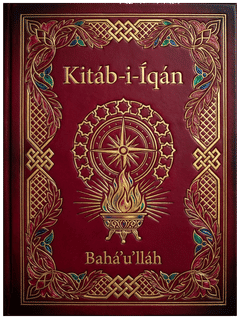
Kitáb-i-Íqán cover

Kitáb-i-Íqán

Bahá’u’lláh

The principal doctrinal work of the Faith, revealed in Baghdad within the space of two days and two nights in response to questions from the Báb’s maternal uncle. Shoghi Effendi described it as occupying a position unequalled by any work except the Kitáb-i-Aqdas — a model of Persian prose, at once original, chaste, vigorous, and remarkably lucid.

291 ¶

Prayers and Meditations cover

Prayers and Meditations

Bahá’u’lláh

Published in 1938, this companion volume to Gleanings contains 184 prayers and meditations selected by Shoghi Effendi from Bahá’u’lláh’s devotional writings revealed across successive exiles from Baghdad to ‘Akká. Shoghi Effendi described it as a volume whose perusal would deepen the spirit of devotion and faith.

858 ¶

Tablet of Aḥmad cover

Tablet of Aḥmad

Bahá’u’lláh

Revealed in Adrianople and addressed to a believer named Aḥmad, this Tablet has been invested by Bahá’u’lláh with a special potency and significance. Its central imagery draws on the metaphor of fire and water: “Be thou as a flame of fire to My enemies and a river of life eternal to My loved ones.”

17 ¶

Tablet of Carmel cover

Tablet of Carmel

Bahá’u’lláh

Revealed during a visit to Mount Carmel, this Tablet addresses the mountain directly and prophesies its future as the world spiritual and administrative center of the Faith. Shoghi Effendi designated it one of three foundational Charters. Its imagery of the Ark and the dwellers therein prefigures the Universal House of Justice.

5 ¶

Tablet of the Holy Mariner cover

Tablet of the Holy Mariner

Bahá’u’lláh

Chanted aloud in the outskirts of Baghdad just weeks before the Declaration in the Garden of Riḍván, its gloomy prognostications aroused the grave apprehensions of all who heard it. Only the Arabic portion has an authorized translation; the Persian portion remains untranslated.

57 ¶

The Hidden Words cover

The Hidden Words

Bahá’u’lláh

Seventy-one Arabic and eighty-two Persian aphorisms revealed around 1858 while walking along the banks of the Tigris in Baghdad. Originally designated the “Hidden Book of Fáṭimih,” Shoghi Effendi described it as a marvelous collection of gem-like utterances occupying a position of unsurpassed preeminence among the ethical writings of the Faith.

160 ¶

Will and Testament cover

Will and Testament

‘Abdu’l-Bahá

Written by ‘Abdu’l-Bahá in three parts between 1901 and 1908, opened and read after His passing on 28 November 1921. Shoghi Effendi designated it the Charter of the New World Order — the mightiest instrument forged to ensure the continuity of the three ages of the Bahá’í Dispensation.

59 ¶