Gleanings — §314

Arabic source with Shoghi Effendi’s authorized English translation. Paragraph 314 of 729.

Source (Arabic)

حقّ منع ننمود و ضوضاء علما و سطوة امرا او را محجوب نساخت او از آیات کبری لدی الله مالک الوری محسوب و در کتاب الهی از قلم اعلی مسطور طوبی لمن فاز بها و عرف شأنها و مقامها در مراتب نفس از امّاره و لوّامه و ملهمه و مطمئنّه و راضیه و مرضیّه و امثال آن از قبل ذکر

Shoghi Effendi Translation

Whoso hath, in this Day, refused to allow the doubts and fancies of men to turn him away from Him Who is the Eternal Truth, and hath not suffered the tumult provoked by the ecclesiastical and secular authorities to deter him from recognizing His Message, such a man will be regarded by God, the Lord of all men, as one of His mighty signs, and will be numbered among them whose names have been inscribed by the Pen of the Most High in His Book. Blessed is he that hath recognized the true stature of such a soul, that hath acknowledged its station, and discovered its virtues.

Translation Notes

حقّ

literal: truth; right; that which is true or just

منع

literal: forbidden; prevented; deprived

ننمود
n-m-ʾ “may” Distinctive

literal: is not; not to be; does not exist; negation, denial, banishment; to negate, deny, banish; contradiction; opposition; contrariety

ضوضاء
ḍ-w-ḍ “clamor” Distinctive

literal: noise, tumult, clamor

علما

literal: world; universe; the worlds

سطوة

literal: might; force; severity; oppression; tyranny

امرا

literal: command; cause; matter; affair

او

literal: he; it (third person pronoun); refuge; shelter; dwelling place; abode; lamentation, cry, woe; melody, song

را

literal: object marker; object-marker; to

محجوب

literal: to veil oneself, to be veiled

نساخت

literal: abrogator; repealer; one who abrogates or abrogates the law

آیات

literal: verse; sign; miracle; proof; sign, verse, miracle, token, indication; ayah; he; him; it

کبری
k-b-r “pride” Distinctive

literal: great; grand; mighty; large; greatness; majesty; sovereignty; arrogance

لدی

literal: with; in the presence of; from; by

الله

literal: God; Allah; deity; Divinity; divine nature; godhood

مالک

literal: kingdom; dominion; realm; sovereignty; possessions; property; ownership

الوری

literal: mankind; people; human beings; behind; after

محسوب

literal: according to; in accordance with; as regards

در

literal: in; in, at; radiant

کتاب

literal: book; scripture; writing

قلم

literal: pen; writing instrument

اعلی

literal: highest; most high; supreme

مسطور

literal: written; inscribed; recorded

طوبی

literal: happiness; blessedness; felicity

لمن

literal: from; out of; than (preposition and particle)

فاز
f-w-z “recognized” Distinctive

literal: to attain; to gain; to succeed; to win

بها

literal: by it; by him; with it

عرف
ʿ-r-f “knowledge” Distinctive

literal: to confess; to acknowledge; to recognize

شأنها
sh-ʾ-n “in such wise” Distinctive

literal: affair; concern; matter; aspect; quality; state; affairs; matters; conditions; circumstances; affair, matter, station, rank, dignity; station; rank; importance; matter, affair, concern, dignity, rank

مقامها

literal: rising; standing; uprising; resurrection

مراتب

literal: rank; station; degree; time; instance

نفس

literal: self; soul; psyche; person; essence

امّاره

literal: command; cause; matter; affair

لوّامه

literal: blame; censure; to blame

ملهمه

literal: inspiration; divine inspiration; revelation

مطمئنّه

literal: to be at peace; to be reassured; to settle down

راضیه

literal: good-pleasure, consent, satisfaction; satisfaction; pleasure; approval; contentment

امثال

literal: like; example; parable; similitude

آن

literal: that; those; he; she; it

قبل

literal: group; company; tribe; sort; kind

ذکر

literal: remembrance; mention; memory; invocation; reminders; commemorations

Model Translations by Shoghi Effendi

Epistle to the Son of the Wolf cover

Epistle to the Son of the Wolf

Bahá’u’lláh

The last outstanding Tablet revealed by Bahá’u’lláh, written around 1891 and addressed to Shaykh Muḥammad-Taqí of Iṣfahán. It calls upon that rapacious priest to repent, quotes the most celebrated passages from Bahá’u’lláh’s own writings, and adduces proofs establishing the validity of His Cause.

268 ¶

Fire Tablet cover

Fire Tablet

Bahá’u’lláh

Revealed in late 1871 during a period of severe hardship in ‘Akká, this Tablet takes the form of an anguished dialogue between Bahá’u’lláh and God. Questions about the sufferings of the faithful are answered with divine assurances, building to a crescendo of triumph over tribulation.

50 ¶

Kitáb-i-'Ahd cover

Kitáb-i-’Ahd

Bahá’u’lláh

The Book of the Covenant — Bahá’u’lláh’s Will and Testament, written entirely in His own hand and unsealed on the ninth day after His ascension. It designates ‘Abdu’l-Bahá as His successor and establishes what Shoghi Effendi called the mightiest Covenant in all religious history.

16 ¶

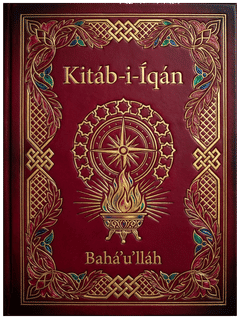
Kitáb-i-Íqán cover

Kitáb-i-Íqán

Bahá’u’lláh

The principal doctrinal work of the Faith, revealed in Baghdad within the space of two days and two nights in response to questions from the Báb’s maternal uncle. Shoghi Effendi described it as occupying a position unequalled by any work except the Kitáb-i-Aqdas — a model of Persian prose, at once original, chaste, vigorous, and remarkably lucid.

291 ¶

Prayers and Meditations cover

Prayers and Meditations

Bahá’u’lláh

Published in 1938, this companion volume to Gleanings contains 184 prayers and meditations selected by Shoghi Effendi from Bahá’u’lláh’s devotional writings revealed across successive exiles from Baghdad to ‘Akká. Shoghi Effendi described it as a volume whose perusal would deepen the spirit of devotion and faith.

858 ¶

Tablet of Aḥmad cover

Tablet of Aḥmad

Bahá’u’lláh

Revealed in Adrianople and addressed to a believer named Aḥmad, this Tablet has been invested by Bahá’u’lláh with a special potency and significance. Its central imagery draws on the metaphor of fire and water: “Be thou as a flame of fire to My enemies and a river of life eternal to My loved ones.”

17 ¶

Tablet of Carmel cover

Tablet of Carmel

Bahá’u’lláh

Revealed during a visit to Mount Carmel, this Tablet addresses the mountain directly and prophesies its future as the world spiritual and administrative center of the Faith. Shoghi Effendi designated it one of three foundational Charters. Its imagery of the Ark and the dwellers therein prefigures the Universal House of Justice.

5 ¶

Tablet of the Holy Mariner cover

Tablet of the Holy Mariner

Bahá’u’lláh

Chanted aloud in the outskirts of Baghdad just weeks before the Declaration in the Garden of Riḍván, its gloomy prognostications aroused the grave apprehensions of all who heard it. Only the Arabic portion has an authorized translation; the Persian portion remains untranslated.

57 ¶

The Hidden Words cover

The Hidden Words

Bahá’u’lláh

Seventy-one Arabic and eighty-two Persian aphorisms revealed around 1858 while walking along the banks of the Tigris in Baghdad. Originally designated the “Hidden Book of Fáṭimih,” Shoghi Effendi described it as a marvelous collection of gem-like utterances occupying a position of unsurpassed preeminence among the ethical writings of the Faith.

160 ¶

Will and Testament cover

Will and Testament

‘Abdu’l-Bahá

Written by ‘Abdu’l-Bahá in three parts between 1901 and 1908, opened and read after His passing on 28 November 1921. Shoghi Effendi designated it the Charter of the New World Order — the mightiest instrument forged to ensure the continuity of the three ages of the Bahá’í Dispensation.

59 ¶