Epistle to the Son of the Wolf — §62

Persian source with Shoghi Effendi’s authorized English translation. Paragraph 62 of 268.

Source (Persian)

سبحانک اللّهمّ يا الهی تری ما ورد علی المظلوم من الّذين ما عاشرونی و قاموا علی ضرّی و مسکنتي بحيث عجزت الاقلام عن ذکره و الألسن عن بيانه و الالواح عن حمله * تسمع حنين قلبی و ضجيج کينونتی و ما ورد علی امنائک فی بلادک و اصفيائک فی مملکتک من الّذين نقضوا عهدک و ميثاقک * ای ربّ اسالک بضجيج العشّاق فی الآفاق و بحنينهم فی بعدهم عن ساحة قربک و بالدّماء الّتی سفکت فی حبّک و بالاکباد الّتی ذابت فی سبيلک ان تحفظ اولياءک من ظلم الّذين غفلوا من اسرار اسمک المختار * ای ربّ ايّدهم بقدرتک الّتی غلبت الاشياء و وفّقهم علی الصّبر و الاصطبار انّک انت المقتدر العزيز الوهّاب * لا اله الّا انت الکريم الفيّاض

Shoghi Effendi Translation

Glorified art Thou, O Lord my God! Thou seest what hath befallen this Wronged One at the hands of them that have not associated with Me, and who have arisen to harm and abase Me, in a manner which no pen can describe, nor tongue recount, nor can any Tablet sustain its weight. Thou hearest the cry of Mine heart, and the groaning of Mine inmost being, and the things that have befallen Thy trusted ones in Thy cities and Thy chosen ones in Thy land, at the hands of such as have broken Thy Covenant and Thy Testament. I beseech Thee, O my Lord, by the sighs of Thy lovers throughout the world, and by their lamentation in their remoteness from the court of Thy presence, and by the blood that hath been shed for love of Thee, and by the hearts that have melted in Thy path, to protect Thy loved ones from the cruelty of such as have remained unaware of the mysteries of Thy Name, the Unconstrained. Assist them, O my Lord, by Thy power that hath prevailed over all things, and aid them to be patient and long-suffering. Thou art the All-Powerful, the Almighty, the All-Bountiful. No God is there but Thee, the Generous, the Lord of grace abounding.

Translation Notes

سبحانک

literal: glorified; the All-Praised; exalted; dawn; daybreak; morning

اللّهمّ

literal: God; Allah; deity; Divinity; divine nature; godhood

يا

literal: O; vocative particle; oh (vocative particle)

تری

literal: to see; to perceive; to look; to see, to observe, to behold; to view; vision; dream; sight; ل is prefix; verb تری (you see) is from ر-ا-ي

ما

literal: what; which; that which; relative pronoun; interrogative

ورد

literal: to enter, to come, to befall, to arrive

علی

literal: highest; most high; supreme

المظلوم

literal: wrongedness, oppression, meekness; state of being wronged or oppressed

من
m-n

literal: from; out of; than (preposition and particle)

الّذين

literal: those who; the ones who (relative pronoun)

عاشرونی

literal: association; companionship; social interaction; عشرين (twenty) is from numeral root ع-ش-ر, distinct from ‘association’ meaning

قاموا

literal: rising; standing; uprising; resurrection

ضرّی

literal: harm; damage; injury; detriment

مسکنتي
s-k-n “inmates” Distinctive

literal: stillness, rest, quietude, tranquility

بحيث

literal: where; in which; inasmuch as; in such wise that; whereby; in that; respect, aspect

عجزت

literal: to be unable; to fail; to be exhausted; impotence; أعجاز (roots of trees/extremities) is Pattern II plural, distinct from ‘inability’ forms

الاقلام

literal: pen; writing instrument

عن

literal: from; about; concerning; away from

ذکره
dh-k-r “describe” Distinctive

literal: remembrance; mention; memory; invocation; reminders; commemorations

الألسن

literal: tongue; language

بيانه

literal: to manifest; to make clear; clear, evident

الالواح

literal: tablet; panel; divine decree; revelation

حمله
ḥ-m-l “sustain” Distinctive

literal: to bear; to endure; to carry; to tolerate

تسمع

literal: heard, hearkened to, acceptable, worthy of attention

حنين

literal: trial, tribulation, ordeal, testing

قلبی

literal: heart; to turn; to overturn

ضجيج

literal: clamor; outcry; noise; tumult

کينونتی

literal: beings; creatures; existents; creation; rancour; grudge; enmity; being; existence (as philosophical term)

امنائک
ʾ-m-n “trustworthy” Distinctive

literal: to believe; to have faith; to be secure

فی
f-y

literal: in; in-it; in it

بلادک

literal: city; land; country

اصفيائک

literal: pure one; chosen one; selected one; elite; purity; clarity; sincerity; pure; sincere

مملکتک

literal: kingdom; dominion; realm; sovereignty; possessions; property; ownership

نقضوا

literal: breaker; violator; one who breaks (covenant); covenant-breaker

عهدک

literal: covenant; testament; promise; command

ميثاقک

literal: covenant; testament; bond

ای

literal: O; vocative particle; oh (vocative particle)

ربّ

literal: love; affection

اسالک

literal: question; problem; issue; matter; asking; petition; request

العشّاق

literal: love, passion, ardor

الآفاق

literal: horizon, direction, region; horizon; sun

بعدهم

literal: after; behind; distance

ساحة

literal: court; plaza; courtyard; open space; domain; presence

قربک

literal: place of sacrifice; altar

بالدّماء

literal: breath; moment; instant

الّتی

literal: who; which/that; which

سفکت

literal: to shed; to spill; bloodshed; to shed (blood)

حبّک

literal: love; beloved; beloved ones

بالاکباد

literal: liver; soul; essence

ذابت

literal: to melt; to waste away

سبيلک

literal: path; way; road; cause; means

ان

literal: that; those; he; she; it

تحفظ

literal: guardian; preserver; keeper

اولياءک

literal: guardian; protector; friend; ally; lord; helper; first; primary; original

غفلوا

literal: heedlessness; negligence; inattention

اسرار

literal: throne; couch; seat of authority

اسمک

literal: to name, to nominate, to designate, to appoint; name; noun; to name, to appoint, to designate

المختار

literal: west; the western region

ايّدهم
ʾ-y-d “Assist” Distinctive

literal: to support, assist, strengthen, confirm; to support; to assist; to strengthen; to aid; confirmation; support; strengthening

بقدرتک

literal: power; might; decree; measure; worth

غلبت

literal: to overcome, overpower, vanquish, prevail

الاشياء

literal: thing; something; to will; to wish; to desire; to open; to unfold; to reveal

وفّقهم

literal: accord, agreement, harmony; to agree, accord with

الصّبر

literal: patience; forbearance; endurance; to be patient

انّک

literal: that; indeed; verily

انت

literal: you (masculine singular)

العزيز

literal: glory; might; honor; dignity; power; majesty

الوهّاب
w-h-b “gifts” Distinctive

literal: gift; grant; bestowal

لا

literal: no; not; negation particle

اله

literal: God; Allah; deity; Divinity; divine nature; godhood

الّا

literal: except; but; if not; lo; now; at this time; save; only; unless

الکريم

literal: Carmel (Mount Carmel); vineyard, fruitful field; honor; generosity; nobility

الفيّاض

literal: flood; abundance; overflow; emanation; grace; overflowing; emanating; surplus

Source: Bahá'u'lláh, Epistle to the Son of the Wolf

Model Translations by Shoghi Effendi

Fire Tablet cover

Fire Tablet

Bahá’u’lláh

Revealed in late 1871 during a period of severe hardship in ‘Akká, this Tablet takes the form of an anguished dialogue between Bahá’u’lláh and God. Questions about the sufferings of the faithful are answered with divine assurances, building to a crescendo of triumph over tribulation.

50 ¶

Gleanings cover

Gleanings

Bahá’u’lláh

A compilation of 166 selections from Bahá’u’lláh’s Tablets, spanning the Baghdad, Adrianople, and ‘Akká periods (1853–1892). George Townshend assisted with English refinement. Shoghi Effendi wrote that it gives the friends a splendid opportunity to acquire knowledge and understanding of the Faith.

729 ¶

Kitáb-i-'Ahd cover

Kitáb-i-’Ahd

Bahá’u’lláh

The Book of the Covenant — Bahá’u’lláh’s Will and Testament, written entirely in His own hand and unsealed on the ninth day after His ascension. It designates ‘Abdu’l-Bahá as His successor and establishes what Shoghi Effendi called the mightiest Covenant in all religious history.

16 ¶

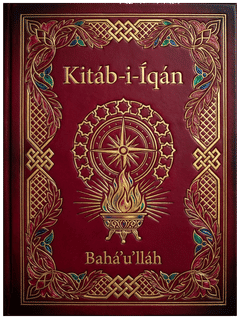
Kitáb-i-Íqán cover

Kitáb-i-Íqán

Bahá’u’lláh

The principal doctrinal work of the Faith, revealed in Baghdad within the space of two days and two nights in response to questions from the Báb’s maternal uncle. Shoghi Effendi described it as occupying a position unequalled by any work except the Kitáb-i-Aqdas — a model of Persian prose, at once original, chaste, vigorous, and remarkably lucid.

291 ¶

Prayers and Meditations cover

Prayers and Meditations

Bahá’u’lláh

Published in 1938, this companion volume to Gleanings contains 184 prayers and meditations selected by Shoghi Effendi from Bahá’u’lláh’s devotional writings revealed across successive exiles from Baghdad to ‘Akká. Shoghi Effendi described it as a volume whose perusal would deepen the spirit of devotion and faith.

858 ¶

Tablet of Aḥmad cover

Tablet of Aḥmad

Bahá’u’lláh

Revealed in Adrianople and addressed to a believer named Aḥmad, this Tablet has been invested by Bahá’u’lláh with a special potency and significance. Its central imagery draws on the metaphor of fire and water: “Be thou as a flame of fire to My enemies and a river of life eternal to My loved ones.”

17 ¶

Tablet of Carmel cover

Tablet of Carmel

Bahá’u’lláh

Revealed during a visit to Mount Carmel, this Tablet addresses the mountain directly and prophesies its future as the world spiritual and administrative center of the Faith. Shoghi Effendi designated it one of three foundational Charters. Its imagery of the Ark and the dwellers therein prefigures the Universal House of Justice.

5 ¶

Tablet of the Holy Mariner cover

Tablet of the Holy Mariner

Bahá’u’lláh

Chanted aloud in the outskirts of Baghdad just weeks before the Declaration in the Garden of Riḍván, its gloomy prognostications aroused the grave apprehensions of all who heard it. Only the Arabic portion has an authorized translation; the Persian portion remains untranslated.

57 ¶

The Hidden Words cover

The Hidden Words

Bahá’u’lláh

Seventy-one Arabic and eighty-two Persian aphorisms revealed around 1858 while walking along the banks of the Tigris in Baghdad. Originally designated the “Hidden Book of Fáṭimih,” Shoghi Effendi described it as a marvelous collection of gem-like utterances occupying a position of unsurpassed preeminence among the ethical writings of the Faith.

160 ¶

Will and Testament cover

Will and Testament

‘Abdu’l-Bahá

Written by ‘Abdu’l-Bahá in three parts between 1901 and 1908, opened and read after His passing on 28 November 1921. Shoghi Effendi designated it the Charter of the New World Order — the mightiest instrument forged to ensure the continuity of the three ages of the Bahá’í Dispensation.

59 ¶