Gleanings — §461

Arabic source with Shoghi Effendi’s authorized English translation. Paragraph 461 of 729.

Source (Arabic)

من الكارهين، وأنت يا سفير تفكّر في نفسك أقلّ من آن ثمّ أنصف في ذاتك بأيّ جرم افتريت علينا عند هؤلاء الوكلاء واتّبعت هواك وأعرضت عن الصّدق وكنت من المفترين، بعد الّذي ما عاشرتني وما عاشرتك وما رأيتني إلّا في بيت أبيك أيّام الّتي فيها يذكر مصائب الحسين وفي تلك المجالس لم يجد الفرصة أحد ليفتح اللّسان ويشتغل بالبيان حتّى يعرف مطالبه أو عقائده وأنت تصدّقني في ذلك لو تكون من الصّادقين، وفي غير تلك المجالس ما دخلت لتراني أنت أو يراني غيرك مع ذلك كيف أفتيت عليّ ما لا سمعت منّي، أما سمعت ما قال عزّ وجلّ: ﴿لا تقُولُوا لِمَنْ أَلْقَى إِلَيْكُمُ السَّلامَ لَسْتَ مُؤْمِنًا﴾ ولا تطرد الّذين يدعون ربّهم بالغداة

Shoghi Effendi Translation

Pause for but a little while and reflect, O Minister, and be fair in thy judgment. What is it that We have committed that could justify thee in having slandered Us unto the King’s Ministers, in following thy desires, in perverting the truth, and in uttering thy calumnies against Us? We have never met each other except when We met thee in thy father’s house, in the days when the martyrdom of Imám Ḥusayn was being commemorated. On those occasions no one could have the chance of making known to others his views and beliefs in conversation or in discourse. Thou wilt bear witness to the truth of My words, if thou be of the truthful. I have frequented no other gatherings in which thou couldst have learned My mind or in which any other could have done so. How, then, didst thou pronounce thy verdict against Me, when thou hadst not heard My testimony from Mine own lips? Hast thou not heard what God, exalted be His glory, hath said: “Say not to every one who meeteth you with a greeting, ‘Thou art not a believer’.” “Thrust not away those who cry to their Lord at morn and even, craving to behold His face.” Thou hast indeed forsaken what the Book of God hath prescribed, and yet thou deemest thyself to be a believer!

Translation Notes

من

literal: from; out of; than (preposition and particle)

الكارهين،

literal: to dislike; to hate; sphere; ball

وأنت

literal: you (masculine singular)

يا

literal: O; vocative particle; oh (vocative particle)

سفير

literal: embassy, envoy, intercession

تفكّر
f-k-r “reflect” Distinctive

literal: thoughts; ideas; fancies; opinions; to think; to reflect; to contemplate

في

literal: in it; in them

نفسك

literal: self; soul; psyche; person; essence

أقلّ
q-l-l “little” Distinctive

literal: little; few; scanty; small in quantity

آن

literal: that; those; he; she; it

ثمّ
th-m-m “and” Distinctive

literal: then; thereafter; next; moreover

أنصف
n-ṣ-f “be fair” Distinctive

literal: justice; fairness; equity

ذاتك

literal: essence; self; being

بأيّ

literal: O; vocative particle; oh (vocative particle)

جرم

literal: crime; sin; boldness

افتريت
f-r-y “calumnies” Distinctive

literal: slander; calumny; fabrication; false accusation

علينا

literal: exalted; highest; supreme; most high; upon you; on; over; Ali (name); upon

عند
ʿ-n-d “unto” Distinctive

literal: obstinacy; opposition; enmity

هؤلاء

literal: these

الوكلاء

literal: agency; representation; trusteeship; delegated authority

واتّبعت

literal: to follow; to obey; to pursue

هواك

literal: desire; vain desire; inclination; passion; whim; realm; region

وأعرضت

literal: to turn away; to avert; to abstain; heedless

عن

literal: from; about; concerning; away from

الصّدق

literal: to confirm; to verify; to acknowledge; to testify to truth

وكنت
k-w-n “be” Distinctive

literal: to do; to make; to perform; to be; was

بعد

literal: after; behind; distance

ما

literal: what; which; that which; relative pronoun; interrogative

عاشرتني

literal: association; companionship; social interaction; عشرين (twenty) is from numeral root ع-ش-ر, distinct from ‘association’ meaning

رأيتني
r-ʾ-y “Thou seest” Distinctive

literal: to see; to perceive; to look; to see, to observe, to behold; to view; vision; dream; sight; ل is prefix; verb تری (you see) is from ر-ا-ي

إلّا

literal: except; but; if not; lo; now; at this time; save; only; unless

بيت

literal: house; household; family; verse

أبيك

literal: father; paternal; his father; to refuse; to decline

أيّام

literal: day; age; period; era; a day

الّتي

literal: who; which/that; which

يذكر
dh-k-r “mention” Distinctive

literal: remembrance; mention; memory; invocation; reminders; commemorations

مصائب

literal: calamity; misfortune; disaster; affliction

الحسين

literal: best; Husayn; beautiful

تلك

literal: those; that; those (feminine)

المجالس
j-l-s “seated” Distinctive

literal: council; assembly; gathering; session

لم

literal: to reproach; blame; censure

يجد
w-j-d “being” Distinctive

literal: existence; find; existent

الفرصة

literal: limb; limbs; opportunity

أحد

literal: Divine unity; monotheism; belief in the oneness of God

ليفتح

literal: opening; opening up; conquests; revelations; disclosure

اللّسان

literal: tongue; language

ويشتغل

literal: occupied; busy; occupy

بالبيان

literal: to manifest; to make clear; clear, evident; in; among; between; at this moment

حتّى

literal: to be necessary, inevitable; determined

يعرف
ʿ-r-f “learned” Distinctive

literal: to confess; to acknowledge; to recognize

مطالبه
ṭ-l-b “theme” Distinctive

literal: seeker, one who seeks; those who seek

أو

literal: he; it (third person pronoun); refuge; shelter; dwelling place; abode; lamentation, cry, woe; melody, song

عقائده

literal: contract; covenant; knot; to tie; to contract; to conclude

ذلك

literal: abasement; humiliation; lowliness; to be abased

لو

literal: if; would that; O that

غير

literal: without; besides; other than; except; other; different

دخلت

literal: to enter; to admit; to bring in

لتراني

literal: to see; to perceive; to look; to see, to observe, to behold; to view; vision; dream; sight; ل is prefix; verb تری (you see) is from ر-ا-ي

مع

literal: with; together with; alongside

كيف

literal: how; in what manner

أفتيت

literal: to give a legal judgment; to decree; to issue a fatwa

عليّ

literal: highest; most high; supreme

لا

literal: no; not; negation particle

سمعت

literal: heard, hearkened to, acceptable, worthy of attention

أما

literal: mother; to lead; to head; matter; affair; people; nation; community; female servant; handmaiden; umma

قال

literal: speech; utterance; saying; word

عزّ
ʿ-z-z “exalted” Distinctive

literal: glory; might; honor; dignity; power; majesty

وجلّ:
j-l-l “glory” Distinctive

literal: majesty; glory; awe

أَلْقَى

literal: to throw, cast; to vomit; to present, put forward; to cast; to send down; to impart

إِلَيْكُمُ

literal: to; to, toward; to, until

السَّلامَ
s-l-m “resignation” Distinctive

literal: resignation; submission; surrender; submissiveness

لَسْتَ

literal: to reproach; blame; censure

مُؤْمِنًا﴾

literal: to believe; to have faith; to be secure; trust; trustworthiness; covenant; deposit; believer, faithful


ولا
w-l-y “Lord” Distinctive

literal: friend; lord; guardian

تطرد
ṭ-r-d “Cast me” Distinctive

literal: expel; drive away; expelled

الّذين
l-dh-y “which” Distinctive

literal: who; which; that which; the one who

يدعون
d-ʿ-w “summoned” Distinctive

literal: call, invocation, summons; to call, invite, summon

ربّهم

literal: divine; of God; lordly

بالغداة

literal: morning; morning-dew

Model Translations by Shoghi Effendi

Epistle to the Son of the Wolf cover

Epistle to the Son of the Wolf

Bahá’u’lláh

The last outstanding Tablet revealed by Bahá’u’lláh, written around 1891 and addressed to Shaykh Muḥammad-Taqí of Iṣfahán. It calls upon that rapacious priest to repent, quotes the most celebrated passages from Bahá’u’lláh’s own writings, and adduces proofs establishing the validity of His Cause.

268 ¶

Fire Tablet cover

Fire Tablet

Bahá’u’lláh

Revealed in late 1871 during a period of severe hardship in ‘Akká, this Tablet takes the form of an anguished dialogue between Bahá’u’lláh and God. Questions about the sufferings of the faithful are answered with divine assurances, building to a crescendo of triumph over tribulation.

50 ¶

Kitáb-i-'Ahd cover

Kitáb-i-’Ahd

Bahá’u’lláh

The Book of the Covenant — Bahá’u’lláh’s Will and Testament, written entirely in His own hand and unsealed on the ninth day after His ascension. It designates ‘Abdu’l-Bahá as His successor and establishes what Shoghi Effendi called the mightiest Covenant in all religious history.

16 ¶

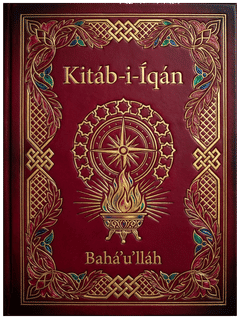
Kitáb-i-Íqán cover

Kitáb-i-Íqán

Bahá’u’lláh

The principal doctrinal work of the Faith, revealed in Baghdad within the space of two days and two nights in response to questions from the Báb’s maternal uncle. Shoghi Effendi described it as occupying a position unequalled by any work except the Kitáb-i-Aqdas — a model of Persian prose, at once original, chaste, vigorous, and remarkably lucid.

291 ¶

Prayers and Meditations cover

Prayers and Meditations

Bahá’u’lláh

Published in 1938, this companion volume to Gleanings contains 184 prayers and meditations selected by Shoghi Effendi from Bahá’u’lláh’s devotional writings revealed across successive exiles from Baghdad to ‘Akká. Shoghi Effendi described it as a volume whose perusal would deepen the spirit of devotion and faith.

858 ¶

Tablet of Aḥmad cover

Tablet of Aḥmad

Bahá’u’lláh

Revealed in Adrianople and addressed to a believer named Aḥmad, this Tablet has been invested by Bahá’u’lláh with a special potency and significance. Its central imagery draws on the metaphor of fire and water: “Be thou as a flame of fire to My enemies and a river of life eternal to My loved ones.”

17 ¶

Tablet of Carmel cover

Tablet of Carmel

Bahá’u’lláh

Revealed during a visit to Mount Carmel, this Tablet addresses the mountain directly and prophesies its future as the world spiritual and administrative center of the Faith. Shoghi Effendi designated it one of three foundational Charters. Its imagery of the Ark and the dwellers therein prefigures the Universal House of Justice.

5 ¶

Tablet of the Holy Mariner cover

Tablet of the Holy Mariner

Bahá’u’lláh

Chanted aloud in the outskirts of Baghdad just weeks before the Declaration in the Garden of Riḍván, its gloomy prognostications aroused the grave apprehensions of all who heard it. Only the Arabic portion has an authorized translation; the Persian portion remains untranslated.

57 ¶

The Hidden Words cover

The Hidden Words

Bahá’u’lláh

Seventy-one Arabic and eighty-two Persian aphorisms revealed around 1858 while walking along the banks of the Tigris in Baghdad. Originally designated the “Hidden Book of Fáṭimih,” Shoghi Effendi described it as a marvelous collection of gem-like utterances occupying a position of unsurpassed preeminence among the ethical writings of the Faith.

160 ¶

Will and Testament cover

Will and Testament

‘Abdu’l-Bahá

Written by ‘Abdu’l-Bahá in three parts between 1901 and 1908, opened and read after His passing on 28 November 1921. Shoghi Effendi designated it the Charter of the New World Order — the mightiest instrument forged to ensure the continuity of the three ages of the Bahá’í Dispensation.

59 ¶