Prayers and Meditations — §646

Arabic source with Shoghi Effendi’s authorized English translation. Paragraph 646 of 858.

Source (Arabic)

بكرمت متشبّث و اگر چه جاهليم ببحر علمت متوجّه، توئى آن جوادى كه كثرت خطا ترا از عطا باز ندارد و اعراض اهل عالم نعمتت را سدّ ننمايد، باب فضلت لازال مفتوح بوده شبنمى از درياى رحمتت كلّ را بطراز تقديس مزيّن فرمايد، و رشحى از بحر جودت تمام وجود را بغناى حقيقى فائز نمايد، اى ستّار پرده برمدار لازال ظهورات كرمت عالم را

Shoghi Effendi Translation

O Thou Who art the All-Knowing! Wayward though we be, we still cling to Thy bounty; and though ignorant, we still set our faces toward the ocean of Thy wisdom. Thou art that All-Bountiful Who art not deterred by a multitude of sins from vouchsafing Thy bounty, and the flow of Whose gifts is not arrested by the withdrawal of the peoples of the world. From eternity the door of Thy grace hath remained wide open. A dewdrop out of the ocean of Thy mercy is able to adorn all things with the ornament of sanctity, and a sprinkling of the waters of Thy bounty can cause the entire creation to attain unto true wealth.

Translation Notes

بكرمت

literal: Carmel (Mount Carmel); vineyard, fruitful field; honor; generosity; nobility

متشبّث
sh-b-th “clung” Distinctive

literal: to cling to; to grasp; to hold fast

اگر

literal: although; even if; though; notwithstanding

چه

literal: what; what/for; whatsoever, that which

جاهليم

literal: ignorant; foolish; the ignorant ones

ببحر

literal: sea; ocean

علمت

literal: world; universe; the worlds

متوجّه،

literal: face; countenance; direction; aspect

توئى

literal: thou, you (singular)

آن

literal: that; those; he; she; it

جوادى
j-w-d “bounty” Distinctive

literal: generosity; bounty; liberality

كه

literal: that; who; who, that

كثرت
k-th-r “most” Distinctive

literal: majority; multitude; abundance; multiplicity

خطا

literal: line; writing; path; course

ترا

literal: to see; to perceive; to look; to see, to observe, to behold; to view; vision; dream; sight; ل is prefix; verb تری (you see) is from ر-ا-ي

از

literal: from

عطا

literal: the letter Ṭá; refers to Ṭihrán (also spelled Ṭehran)

باز

literal: by, with, through (preposition)

ندارد
d-ʾ-r “repository” Distinctive

literal: below; lower than; beneath

اعراض

literal: to turn away; to avert; to abstain; heedless

اهل

literal: people; inhabitants; family; kin; worthy; deserving; my family; my people; my kin

نعمتت

literal: bliss; bounty; grace; comfort; felicity

را

literal: object marker; object-marker; to

سدّ
s-d-d “closed” Distinctive

literal: threshold; barrier; seat of authority

باب

literal: door; gate; chapter; way; manner

فضلت

literal: grace; bounty; generosity; excellence

لازال
z-w-l “From eternity” Distinctive

literal: necessary, incumbent, obligatory, essential

مفتوح

literal: glory; boasting; pride

بوده
b-w-d “hath remained” Distinctive

literal: to do; to make; to perform; to be; was

شبنمى
sh-b-n “shepherd” Distinctive

literal: pertaining to shepherds; shepherd’s claim

درياى
d-r-y “know” Distinctive

literal: veiling; concealment; to have; to possess; to hold

رحمتت

literal: merciful, compassionate; pertaining to divine mercy

كلّ

literal: for us; to us

بطراز

literal: ornament; adornment; embroidery; stripe

تقديس

literal: holy, sacred, sanctified

مزيّن

literal: to adorn; ornament; beauty; adornment; embellishment; decoration

فرمايد،

literal: to say; to decree; to ordain; to command

رشحى

literal: emanations; outpourings; effusions

تمام

literal: most complete; to complete; perfect; fullness

وجود

literal: to find; to discover; to obtain

بغناى

literal: to be independent of; to be in no need of; to dispense with

حقيقى

literal: truth; right; that which is true or just

فائز

literal: benefit, profit, advantage; usefulness; bounty; effusion; grace

نمايد،

literal: to appear; to show; to display; to exhibit

اى
ʾ-y-y “signs” Distinctive

literal: O; vocative particle; oh (vocative particle)

ستّار

literal: to veil; to conceal; to cover; veil; covering

پرده

literal: to engage in; to undertake; to deal with

ظهورات

literal: manifestation; appearance; to appear; to manifest; to display; to reveal; ظهور here means ‘backs’ (plural of ظهر), different semantic use than manifestation


Model Translations by Shoghi Effendi

Epistle to the Son of the Wolf cover

Epistle to the Son of the Wolf

Bahá’u’lláh

The last outstanding Tablet revealed by Bahá’u’lláh, written around 1891 and addressed to Shaykh Muḥammad-Taqí of Iṣfahán. It calls upon that rapacious priest to repent, quotes the most celebrated passages from Bahá’u’lláh’s own writings, and adduces proofs establishing the validity of His Cause.

268 ¶

Fire Tablet cover

Fire Tablet

Bahá’u’lláh

Revealed in late 1871 during a period of severe hardship in ‘Akká, this Tablet takes the form of an anguished dialogue between Bahá’u’lláh and God. Questions about the sufferings of the faithful are answered with divine assurances, building to a crescendo of triumph over tribulation.

50 ¶

Gleanings cover

Gleanings

Bahá’u’lláh

A compilation of 166 selections from Bahá’u’lláh’s Tablets, spanning the Baghdad, Adrianople, and ‘Akká periods (1853–1892). George Townshend assisted with English refinement. Shoghi Effendi wrote that it gives the friends a splendid opportunity to acquire knowledge and understanding of the Faith.

729 ¶

Kitáb-i-'Ahd cover

Kitáb-i-’Ahd

Bahá’u’lláh

The Book of the Covenant — Bahá’u’lláh’s Will and Testament, written entirely in His own hand and unsealed on the ninth day after His ascension. It designates ‘Abdu’l-Bahá as His successor and establishes what Shoghi Effendi called the mightiest Covenant in all religious history.

16 ¶

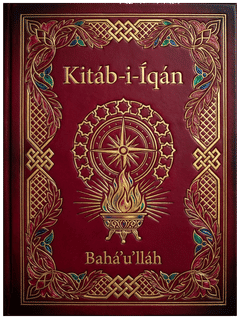
Kitáb-i-Íqán cover

Kitáb-i-Íqán

Bahá’u’lláh

The principal doctrinal work of the Faith, revealed in Baghdad within the space of two days and two nights in response to questions from the Báb’s maternal uncle. Shoghi Effendi described it as occupying a position unequalled by any work except the Kitáb-i-Aqdas — a model of Persian prose, at once original, chaste, vigorous, and remarkably lucid.

291 ¶

Tablet of Aḥmad cover

Tablet of Aḥmad

Bahá’u’lláh

Revealed in Adrianople and addressed to a believer named Aḥmad, this Tablet has been invested by Bahá’u’lláh with a special potency and significance. Its central imagery draws on the metaphor of fire and water: “Be thou as a flame of fire to My enemies and a river of life eternal to My loved ones.”

17 ¶

Tablet of Carmel cover

Tablet of Carmel

Bahá’u’lláh

Revealed during a visit to Mount Carmel, this Tablet addresses the mountain directly and prophesies its future as the world spiritual and administrative center of the Faith. Shoghi Effendi designated it one of three foundational Charters. Its imagery of the Ark and the dwellers therein prefigures the Universal House of Justice.

5 ¶

Tablet of the Holy Mariner cover

Tablet of the Holy Mariner

Bahá’u’lláh

Chanted aloud in the outskirts of Baghdad just weeks before the Declaration in the Garden of Riḍván, its gloomy prognostications aroused the grave apprehensions of all who heard it. Only the Arabic portion has an authorized translation; the Persian portion remains untranslated.

57 ¶

The Hidden Words cover

The Hidden Words

Bahá’u’lláh

Seventy-one Arabic and eighty-two Persian aphorisms revealed around 1858 while walking along the banks of the Tigris in Baghdad. Originally designated the “Hidden Book of Fáṭimih,” Shoghi Effendi described it as a marvelous collection of gem-like utterances occupying a position of unsurpassed preeminence among the ethical writings of the Faith.

160 ¶

Will and Testament cover

Will and Testament

‘Abdu’l-Bahá

Written by ‘Abdu’l-Bahá in three parts between 1901 and 1908, opened and read after His passing on 28 November 1921. Shoghi Effendi designated it the Charter of the New World Order — the mightiest instrument forged to ensure the continuity of the three ages of the Bahá’í Dispensation.

59 ¶