Gleanings — §127

Arabic source with Shoghi Effendi’s authorized English translation. Paragraph 127 of 729.

Source (Arabic)

مقصود از آفرینش عرفان حقّ و لقای او بوده و خواهد بود چنانچه در جمیع کتب الهیّه و صحف متقنهٴ ربّانیّه من غیر حجاب این مطلب احلی و مقصود اعلی مذکور و واضحست و هر نفسی که بآن صبح هدایت و فجر احدیّت فائز شد بمقام قرب و وصل که اصل جنّت و اعلی الجنانست فائز گردید و بمقام قاب و قوسین که ورای سدرهٴ منتهی است وارد شد والّا در امکنهٴ بعد که اصل نار و حقیقت نفی است ساکن بوده و خواهد بود اگرچه در ظاهر بر اکراس رفیعه و اعراش منیعه جالس باشد بلی آن سماء حقیقت قادر و مقتدر است که

Shoghi Effendi Translation

The purpose of God in creating man hath been, and will ever be, to enable him to know his Creator and to attain His Presence. To this most excellent aim, this supreme objective, all the heavenly Books and the divinely revealed and weighty Scriptures unequivocally bear witness. Whoso hath recognized the Dayspring of Divine guidance and entered His holy court hath drawn nigh unto God and attained His Presence, a Presence which is the real Paradise, and of which the loftiest mansions of heaven are but a symbol. Such a man hath attained the knowledge of the station of Him Who is “at the distance of two bows,” Who standeth beyond the Sadratu’l-Muntahá. Whoso hath failed to recognize Him will have condemned himself to the misery of remoteness, a remoteness which is naught but utter nothingness and the essence of the nethermost fire. Such will be his fate, though to outward seeming he may occupy the earth’s loftiest seats and be established upon its most exalted throne.

Translation Notes

مقصود

literal: intention; purpose; aim; goal; to seek; to direct oneself

از

literal: from

آفرینش
kh-l-q “Thy creatures” Distinctive

literal: creation; create; created

عرفان
ʿ-r-f “know his” Distinctive

literal: to confess; to acknowledge; to recognize

حقّ

literal: truth; right; that which is true or just

لقای

literal: opposite; facing; in front of; towards

او

literal: he; it (third person pronoun); refuge; shelter; dwelling place; abode; lamentation, cry, woe; melody, song

بوده
b-w-d “hath been” Distinctive

literal: to do; to make; to perform; to be; was

خواهد

literal: will; to wish; to want

چنانچه

literal: thus; in such manner; as

در

literal: in; in, at; radiant

جمیع

literal: to gather; to assemble; group; number

کتب

literal: book; scripture; writing

الهیّه

literal: God; Allah; deity; Divinity; divine nature; godhood

صحف

literal: page; tablet; scroll; book

متقنهٴ
t-q-n “convincing” Distinctive

literal: perfect, well-arranged, firmly constructed

ربّانیّه

literal: divine; of God; lordly

من
m-n

literal: from; out of; than (preposition and particle)

غیر

literal: without; besides; other than; except; other; different

حجاب

literal: to veil oneself, to be veiled

این

literal: this; these

مطلب
ṭ-l-b “aim” Distinctive

literal: seeker, one who seeks; those who seek

احلی

literal: sweetest; most sweet; most pleasant

اعلی
ʿ-l-w “supreme” Distinctive

literal: highest; most high; supreme

مذکور

literal: remembrance; mention; memory; invocation; reminders; commemorations

واضحست
w-ḍ-ḥ “evident” Distinctive

literal: clear; evident; manifest; obvious

هر

literal: whatever; all that; whatever thing

نفسی
n-f-s “man” Distinctive

literal: self; soul; psyche; person; essence

که
k-h

literal: that; who; who, that

بآن

literal: that; those; he; she; it

صبح

literal: morning, dawn; daybreak

هدایت

literal: guidance; to guide; direction; leading rightly; this; this one

فجر

literal: dawn; dayspring; to break (of dawn)

احدیّت

literal: oneness; uniqueness; absolute unity; singularity of God

فائز
f-w-z “recognized” Distinctive

literal: benefit, profit, advantage; usefulness; bounty; effusion; grace

شد

literal: to become; to be

بمقام
q-w-m “His holy court” Distinctive

literal: rising; standing; uprising; resurrection

قرب
q-r-b “drawn nigh” Distinctive

literal: place of sacrifice; altar

وصل

literal: reunion; union; meeting; connection

اصل

literal: evening; afternoon; noble; ancient; nightfall; genesis

جنّت

literal: you (singular/plural pronoun)

گردید

literal: Persian verb گردیدن (to become/turn), not from Arabic ك-ر-د

قاب

literal: distance, bow, arc, cubit, rank, station

قوسین

literal: bow, arc, arch

ورای

literal: mankind; people; human beings; behind; after

سدرهٴ

literal: lote-tree; tree; lote tree, bush

منتهی

literal: stinking, foul-smelling; stench

وارد

literal: to enter, to come, to befall, to arrive

والّا
w-l-y “Lord” Distinctive

literal: except; but; if not; lo; now; at this time; save; only; unless

امکنهٴ

literal: possibility; possible; possible things

بعد

literal: after; behind; distance

نار

literal: light; illumination

نفی

literal: is not; not to be; does not exist; negation, denial, banishment; to negate, deny, banish; contradiction; opposition; contrariety

ساکن

literal: stillness, rest, quietude, tranquility

ظاهر

literal: manifestation; appearance; to appear; to manifest

بر

literal: by, with, through (preposition)

اکراس

literal: seat; throne, seat; throne/seat

رفیعه
r-f-ʿ “raised” Distinctive

literal: to be raised, elevated, exalted, lifted up

اعراش

literal: throne; heavenly; the Throne

منیعه

literal: forbidden; prevented; deprived

جالس

literal: council; assembly; gathering; session

بلی

literal: affliction; trial; calamity; trial, tribulation, affliction, calamity; yes; indeed; verily


آن

literal: that; those; he; she; it

سماء

literal: heaven; sky

قادر

literal: power; might; decree; measure; worth

Model Translations by Shoghi Effendi

Epistle to the Son of the Wolf cover

Epistle to the Son of the Wolf

Bahá’u’lláh

The last outstanding Tablet revealed by Bahá’u’lláh, written around 1891 and addressed to Shaykh Muḥammad-Taqí of Iṣfahán. It calls upon that rapacious priest to repent, quotes the most celebrated passages from Bahá’u’lláh’s own writings, and adduces proofs establishing the validity of His Cause.

268 ¶

Fire Tablet cover

Fire Tablet

Bahá’u’lláh

Revealed in late 1871 during a period of severe hardship in ‘Akká, this Tablet takes the form of an anguished dialogue between Bahá’u’lláh and God. Questions about the sufferings of the faithful are answered with divine assurances, building to a crescendo of triumph over tribulation.

50 ¶

Kitáb-i-'Ahd cover

Kitáb-i-’Ahd

Bahá’u’lláh

The Book of the Covenant — Bahá’u’lláh’s Will and Testament, written entirely in His own hand and unsealed on the ninth day after His ascension. It designates ‘Abdu’l-Bahá as His successor and establishes what Shoghi Effendi called the mightiest Covenant in all religious history.

16 ¶

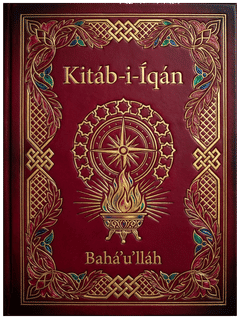
Kitáb-i-Íqán cover

Kitáb-i-Íqán

Bahá’u’lláh

The principal doctrinal work of the Faith, revealed in Baghdad within the space of two days and two nights in response to questions from the Báb’s maternal uncle. Shoghi Effendi described it as occupying a position unequalled by any work except the Kitáb-i-Aqdas — a model of Persian prose, at once original, chaste, vigorous, and remarkably lucid.

291 ¶

Prayers and Meditations cover

Prayers and Meditations

Bahá’u’lláh

Published in 1938, this companion volume to Gleanings contains 184 prayers and meditations selected by Shoghi Effendi from Bahá’u’lláh’s devotional writings revealed across successive exiles from Baghdad to ‘Akká. Shoghi Effendi described it as a volume whose perusal would deepen the spirit of devotion and faith.

858 ¶

Tablet of Aḥmad cover

Tablet of Aḥmad

Bahá’u’lláh

Revealed in Adrianople and addressed to a believer named Aḥmad, this Tablet has been invested by Bahá’u’lláh with a special potency and significance. Its central imagery draws on the metaphor of fire and water: “Be thou as a flame of fire to My enemies and a river of life eternal to My loved ones.”

17 ¶

Tablet of Carmel cover

Tablet of Carmel

Bahá’u’lláh

Revealed during a visit to Mount Carmel, this Tablet addresses the mountain directly and prophesies its future as the world spiritual and administrative center of the Faith. Shoghi Effendi designated it one of three foundational Charters. Its imagery of the Ark and the dwellers therein prefigures the Universal House of Justice.

5 ¶

Tablet of the Holy Mariner cover

Tablet of the Holy Mariner

Bahá’u’lláh

Chanted aloud in the outskirts of Baghdad just weeks before the Declaration in the Garden of Riḍván, its gloomy prognostications aroused the grave apprehensions of all who heard it. Only the Arabic portion has an authorized translation; the Persian portion remains untranslated.

57 ¶

The Hidden Words cover

The Hidden Words

Bahá’u’lláh

Seventy-one Arabic and eighty-two Persian aphorisms revealed around 1858 while walking along the banks of the Tigris in Baghdad. Originally designated the “Hidden Book of Fáṭimih,” Shoghi Effendi described it as a marvelous collection of gem-like utterances occupying a position of unsurpassed preeminence among the ethical writings of the Faith.

160 ¶

Will and Testament cover

Will and Testament

‘Abdu’l-Bahá

Written by ‘Abdu’l-Bahá in three parts between 1901 and 1908, opened and read after His passing on 28 November 1921. Shoghi Effendi designated it the Charter of the New World Order — the mightiest instrument forged to ensure the continuity of the three ages of the Bahá’í Dispensation.

59 ¶