Gleanings — §41

Arabic source with Shoghi Effendi’s authorized English translation. Paragraph 41 of 729.

Source (Arabic)

چنانچه سلطنت حضرت رسول حال در ميان ناس ظاهر و هويداست و در اوّل امر آن حضرت آن بود که شنيديد چه مقدار اهل کفر و ضلال که علمای آن عصر و اصحاب ايشان باشند بر آن جوهر فطرت و ساذج طينت وارد آوردند چه مقدار خاشاکها و خارها که بر محلّ عبور آن حضرت ميريختند و اين معلوم است که آن اشخاص بظنون خبيثه شيطانيّهء خود اذيّت به آن هيکل ازلی را سبب رستگاری خود ميدانستند زيرا که جميع علمای عصر مثل عبداللّه أُبَی و أبو عامر راهب و کعب بن أشرف و نضر بن حارث جميع آن حضرت را تکذيب نمودند و نسبت بجنون و افترا دادند و نسبتهائی که "نعوذ باللّه من أن يجري به المداد أو يتحرّک عليه القلم أو يحمله الألواح" بلی اين نسبتها بود که سبب ايذای مردم نسبت به آن حضرت شد و اين معلوم و واضح است که علمای وقت اگر کسی

Shoghi Effendi Translation

Behold how the sovereignty of Muḥammad, the Messenger of God, is today apparent and manifest amongst the people. You are well aware of what befell His Faith in the early days of His Dispensation. What woeful sufferings did the hand of the infidel and erring, the divines of that age and their associates, inflict upon that spiritual Essence, that most pure and holy Being! How abundant the thorns and briars which they have strewn over His path! It is evident that that wretched generation, in their wicked and satanic fancy, regarded every injury to that immortal Being as a means to the attainment of an abiding felicity; inasmuch as the recognized divines of that age, such as ‘Abdu’lláh-i-Ubayy, Abú-‘Ámir, the hermit, Ka‘b-Ibn-i-As̱hraf, and Naḍr-Ibn-i-Ḥáriṯh, all treated Him as an impostor, and pronounced Him a lunatic and a calumniator. Such sore accusations they brought against Him that in recounting them God forbiddeth the ink to flow, Our pen to move, or the page to bear them. These malicious imputations provoked the people to arise and torment Him. And how fierce that torment, if the divines of the age be its chief instigators, if they denounce Him to their followers, cast Him out from their midst, and declare Him a miscreant! Hath not the same befallen this Servant, and been witnessed by all?

Translation Notes

چنانچه
ch-n-n “likewise” Distinctive

literal: thus; in such manner; as

سلطنت

literal: dominion; authority; power; sovereignty; control

حضرت

literal: presence; majesty; His/Your Excellency

رسول

literal: to send; dispatch; transmission

حال
ḥ-w-l “today” Distinctive

literal: state; condition; circumstance

در

literal: in; in, at; radiant

ميان

literal: between; among; amid; in the midst of

ناس

literal: companionship; fellowship; familiarity; to keep company

ظاهر
ẓ-h-r “apparent” Distinctive

literal: manifestation; appearance; to appear; to manifest; to display; to reveal; ظهور here means ‘backs’ (plural of ظهر), different semantic use than manifestation

هويداست

literal: cradle; bed; couch; resting place

اوّل

literal: first; beginning; at first; the first; former; possessors of; those who have; masters of

امر
ʾ-m-r “Faith” Distinctive

literal: command; cause; matter; affair

آن
ʾ-n “His” Distinctive

literal: that; those; he; she; it

که

literal: that; who; who, that

شنيديد
sh-n-w “heard” Distinctive

literal: most ugly; most abominable; most heinous

چه

literal: what; what/for; whatsoever, that which

مقدار

literal: power; might; decree; measure; worth

اهل
ʾ-h-l “infidel” Distinctive

literal: people; inhabitants; family; kin; worthy; deserving; my family; my people; my kin

کفر

literal: to disbelieve, reject; unbelief, ingratitude; to deny, to disbelieve, to reject

ضلال

literal: error; straying; misguidance; delusion; falsehood

علمای

literal: world; universe; the worlds

عصر

literal: age; era; century; period of time

اصحاب

literal: possessor; those who have; companion; followers

ايشان

literal: that; it (object pronoun with suffix)

باشند
b-w-d “is” Distinctive

literal: to be; to exist; to have been

بر

literal: by, with, through (preposition)

جوهر

literal: jewel; essence; gem; substance

فطرت

literal: creator; the one who splits/creates

ساذج

literal: simplicity, artlessness, plainness; simple soul or being

طينت

literal: clay; mire; mud

وارد

literal: to enter, to come, to befall, to arrive

آوردند

literal: to bring; bring; brought

خاشاکها

literal: chaff; refuse; sweepings

خارها

literal: thornland; place of thorns; wilderness

محلّ

literal: place; location; spot

عبور

literal: expression; phrase; utterance; statement; passage; wording

ميريختند

literal: to pour, scatter; poured

اين

literal: this; these

اشخاص

literal: person, individual, self; movement, stirring

بظنون

literal: fancy; supposition; vain imagination; idle conjecture

خبيثه
kh-b-th “bad” Distinctive

literal: wicked; wicked, evil; be bad, corrupt

شيطانيّهء

literal: satanic; Satan; devil

خود

literal: self; himself; herself; itself; own

اذيّت

literal: harm; hurt; injury; persecution; torment

به
b-h

literal: by it; by him; with it

هيکل

literal: temple; structure; form; body

ازلی

literal: eternity; pre-eternity; without beginning; eternal; everlasting; from eternity

را

literal: object marker; object-marker; to

سبب
s-b-b “means” Distinctive

literal: cause; reason; means; instrument

رستگاری
r-s-t “Verily” Distinctive

literal: steadfast; firm; firmly rooted; established

ميدانستند

literal: to know; to understand

زيرا

literal: because; since; for; inasmuch as

جميع

literal: to gather; to assemble; group; number

مثل
m-th-l “such” Distinctive

literal: like; example; parable; similitude

عبداللّه

literal: servant; slave; worshipper

أبو

literal: father; paternal; his father; to refuse; to decline

عامر

literal: life; by my life; by the life

راهب

literal: monk; hermit; ascetic

بن

literal: that; in that; because

أشرف

literal: honor; nobility; eminence; to honor

نضر

literal: verdant; fresh; flourishing; to look

تکذيب

literal: denial; belying; falsification; rejection

نمودند
n-m-ود “Hath” Distinctive

literal: to show, display, exhibit; to grow, develop

نسبت

literal: relation; relationship; connection; attribution; proportion

بجنون

literal: garden; paradise; heaven

افترا
f-r-y “calumnies” Distinctive

literal: slander; calumny; fabrication; false accusation

دادند

literal: to give; to grant; to issue

"نعوذ

literal: we seek refuge; seek-refuge; we-seek-refuge

باللّه

literal: supplication; earnest entreaty; imploring

من
m-n

literal: from; out of; than (preposition and particle)

يجري

literal: trade; commerce; business; to flow; to run; to be in effect; flowing

المداد

literal: extended; outstretched; sustained

أو
h-w-w “or” Distinctive

literal: he; it (third person pronoun); refuge; shelter; dwelling place; abode; lamentation, cry, woe; melody, song

يتحرّک

literal: movement; motion; trembling; activity; حراک is unusual; possible typo or dialectal. Standard Arabic would be حرك or اهتزاز for ‘trembling’

عليه

literal: highest; most high; supreme

القلم

literal: pen; writing instrument

يحمله

literal: to bear; to endure; to carry; to tolerate

الألواح"

literal: tablet; tablets; allusion

بلی

literal: affliction; trial; calamity; trial, tribulation, affliction, calamity; yes; indeed; verily


مردم

literal: rebellion; mutiny; revolt

شد

literal: to become; to be

واضح

literal: clear; evident; manifest; obvious

وقت

literal: time; occasion; moment; period

اگر

literal: although; even if; though; notwithstanding

کسی

literal: someone; anyone; a person

Model Translations by Shoghi Effendi

Epistle to the Son of the Wolf cover

Epistle to the Son of the Wolf

Bahá’u’lláh

The last outstanding Tablet revealed by Bahá’u’lláh, written around 1891 and addressed to Shaykh Muḥammad-Taqí of Iṣfahán. It calls upon that rapacious priest to repent, quotes the most celebrated passages from Bahá’u’lláh’s own writings, and adduces proofs establishing the validity of His Cause.

268 ¶

Fire Tablet cover

Fire Tablet

Bahá’u’lláh

Revealed in late 1871 during a period of severe hardship in ‘Akká, this Tablet takes the form of an anguished dialogue between Bahá’u’lláh and God. Questions about the sufferings of the faithful are answered with divine assurances, building to a crescendo of triumph over tribulation.

50 ¶

Kitáb-i-'Ahd cover

Kitáb-i-’Ahd

Bahá’u’lláh

The Book of the Covenant — Bahá’u’lláh’s Will and Testament, written entirely in His own hand and unsealed on the ninth day after His ascension. It designates ‘Abdu’l-Bahá as His successor and establishes what Shoghi Effendi called the mightiest Covenant in all religious history.

16 ¶

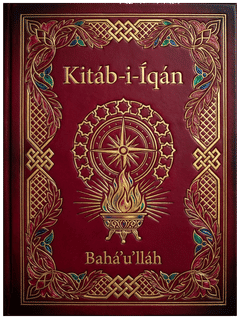
Kitáb-i-Íqán cover

Kitáb-i-Íqán

Bahá’u’lláh

The principal doctrinal work of the Faith, revealed in Baghdad within the space of two days and two nights in response to questions from the Báb’s maternal uncle. Shoghi Effendi described it as occupying a position unequalled by any work except the Kitáb-i-Aqdas — a model of Persian prose, at once original, chaste, vigorous, and remarkably lucid.

291 ¶

Prayers and Meditations cover

Prayers and Meditations

Bahá’u’lláh

Published in 1938, this companion volume to Gleanings contains 184 prayers and meditations selected by Shoghi Effendi from Bahá’u’lláh’s devotional writings revealed across successive exiles from Baghdad to ‘Akká. Shoghi Effendi described it as a volume whose perusal would deepen the spirit of devotion and faith.

858 ¶

Tablet of Aḥmad cover

Tablet of Aḥmad

Bahá’u’lláh

Revealed in Adrianople and addressed to a believer named Aḥmad, this Tablet has been invested by Bahá’u’lláh with a special potency and significance. Its central imagery draws on the metaphor of fire and water: “Be thou as a flame of fire to My enemies and a river of life eternal to My loved ones.”

17 ¶

Tablet of Carmel cover

Tablet of Carmel

Bahá’u’lláh

Revealed during a visit to Mount Carmel, this Tablet addresses the mountain directly and prophesies its future as the world spiritual and administrative center of the Faith. Shoghi Effendi designated it one of three foundational Charters. Its imagery of the Ark and the dwellers therein prefigures the Universal House of Justice.

5 ¶

Tablet of the Holy Mariner cover

Tablet of the Holy Mariner

Bahá’u’lláh

Chanted aloud in the outskirts of Baghdad just weeks before the Declaration in the Garden of Riḍván, its gloomy prognostications aroused the grave apprehensions of all who heard it. Only the Arabic portion has an authorized translation; the Persian portion remains untranslated.

57 ¶

The Hidden Words cover

The Hidden Words

Bahá’u’lláh

Seventy-one Arabic and eighty-two Persian aphorisms revealed around 1858 while walking along the banks of the Tigris in Baghdad. Originally designated the “Hidden Book of Fáṭimih,” Shoghi Effendi described it as a marvelous collection of gem-like utterances occupying a position of unsurpassed preeminence among the ethical writings of the Faith.

160 ¶

Will and Testament cover

Will and Testament

‘Abdu’l-Bahá

Written by ‘Abdu’l-Bahá in three parts between 1901 and 1908, opened and read after His passing on 28 November 1921. Shoghi Effendi designated it the Charter of the New World Order — the mightiest instrument forged to ensure the continuity of the three ages of the Bahá’í Dispensation.

59 ¶