Epistle to the Son of the Wolf — §155

Persian source with Shoghi Effendi’s authorized English translation. Paragraph 155 of 268.

Source (Persian)

اقرأ کتاب الايقان و ما انزله الرّحمن لملک باريس و امثاله لتطّلع بما قضی من قبل و توقن بانّا ما اردنا الفساد فی الارض بعد اصلاحها * انّما نذکّر العباد خالصا لوجه اللّه من شاء فليقبل و من شاء فليعرض انّ ربّنا الرّحمن لهو الغنیّ الحميد * يا معشر الاحزاب هذا يوم لا ينفعکم شیء من الاشياء و لا اسم من الاسماء الّا بهذا الاسم الّذی جعله اللّه مظهر امره و مطلع اسمائه الحسنی لمن فی ملکوت الانشاء نعيما لمن وجد عرف الرّحمن و کان من الرّاسخين و لا يغنيکم اليوم علومکم و فنونکم و لا زخارفکم و عزّکم دعوا الکلّ وراءکم مقبلين الی الکلمة العليا الّتی بها فصّلت الزّبر و الصّحف و هذا الکتاب المبين * يا قوم ضعوا ما الّفتموه من قلم الظّنون و الاوهام تاللّه قد اشرقت شمس العلم من افق اليقين *

Shoghi Effendi Translation

"Peruse thou the Kitáb-i-Íqán (Book of Certitude) and that which the All-Merciful hath sent down unto the King of Paris (Napoleon III) and to such as are like him, that thou mayest be made aware of the things that have happened in the past, and be persuaded that We have not sought to spread disorder in the land after it had been well-ordered. We exhort, wholly for the sake of God, His servants. Let him who wisheth turn unto Him, and him who wisheth turn aside. Our Lord, the Merciful, is verily the All-Sufficing, the All-Praised. O concourse of the kindreds of the earth! This is the day whereon nothing amongst all things, nor any name amongst all names, can profit you save through this Name which God hath made the Manifestation of His Cause and the Dayspring of His Most Excellent Titles unto all who are in the kingdom of creation. Blessed is that man that hath recognized the fragrance of the All-Merciful and been numbered with the steadfast. Your sciences shall not profit you in this day, nor your arts, nor your treasures, nor your glory. Cast them all behind your backs, and set your faces towards the Most Sublime Word through which the Scriptures and the Books and this lucid Tablet have been distinctly set forth. Cast away, O people, the things ye have composed with the pen of your idle fancies and vain imaginings. By God! The Day-Star of Knowledge hath shone forth above the horizon of certitude.

Translation Notes

اقرأ
q-r-ʾ “read” Distinctive

literal: Qur’an; recitation; to read, recite; to read; to recite

کتاب
k-t-b “Kitáb-i-Íqán” Distinctive

literal: book; scripture; writing

الايقان

literal: certainty; certitude; conviction; faith

ما

literal: what; which; that which; relative pronoun; interrogative

انزله

literal: to descend, to be revealed

الرّحمن

literal: merciful, compassionate; pertaining to divine mercy

لملک

literal: kingdom; dominion; realm; sovereignty; possessions; property; ownership

امثاله

literal: like; example; parable; similitude

لتطّلع
ṭ-l-ʿ “be made aware” Distinctive

literal: rising; appearance; countenance; manifestation

قضی

literal: requirement; exigency; what demands or calls for; to require; to necessitate; to demand

من
m-n “in” Distinctive

literal: from; out of; than (preposition and particle)

قبل
q-b-l “past” Distinctive

literal: group; company; tribe; sort; kind

بانّا

literal: that; those; he; she; it

اردنا

literal: to will, to intend, to wish, to desire; to want; to intend; to desire

الفساد
f-s-d “mischief” Distinctive

literal: corruption; ruin; discord; mischief; decay

فی

literal: in; in-it; in it

الارض
ʾ-r-ḍ “the land” Distinctive

literal: earth; land; ground; country

بعد

literal: after; behind; distance

اصلاحها

literal: peace; reconciliation

نذکّر

literal: remembrance; mention; memory; invocation; reminders; commemorations

العباد

literal: servant; slave; worshipper

خالصا

literal: sincere; devoted; pure one

لوجه

literal: face; countenance; direction; aspect

اللّه

literal: God; Allah; deity; Divinity; divine nature; godhood

شاء

literal: thing; something; to will; to wish; to desire; to open; to unfold; to reveal

فليعرض
ʿ-r-ḍ “turned away” Distinctive

literal: to turn away; to avert; to abstain; heedless

ربّنا

literal: Lord; Master; Sustainer; Cherisher

لهو

literal: to distract; to divert; to amuse

الغنیّ
gh-n-y “wealth” Distinctive

literal: to be independent of; to be in no need of; to dispense with; rich; wealthy; needless

الحميد

literal: praise; to praise

يا

literal: O; or

معشر

literal: association; companionship; social interaction; عشرين (twenty) is from numeral root ع-ش-ر, distinct from ‘association’ meaning

الاحزاب

literal: party; people; community

هذا

literal: this; that

يوم

literal: day; age; period; era; a day

لا

literal: no; not; negation particle

ينفعکم

literal: benefits; profits; advantages

اسم

literal: name; title; designation

الّا

literal: except; but; if not; lo; now; at this time; save; only; unless

الّذی

literal: who; which; that which; the one who

جعله

literal: to make; to cause; to render; to appoint

مظهر

literal: manifestation; appearance; to appear; to manifest

امره

literal: command; cause; matter; affair; Cause (of God); to command; to order

الحسنی
ḥ-s-n “profit” Distinctive

literal: goodness; beauty; excellence; good deed

الانشاء

literal: creation; bringing into existence; establishment; God willing; if God wishes; please God

نعيما

literal: bliss; bounty; grace; comfort; felicity

وجد

literal: to find; to discover; to obtain

عرف

literal: to confess; to acknowledge; to recognize

کان

literal: to do; to make; to perform; to be; was

الرّاسخين

literal: steadfast; firm; firmly rooted; established

علومکم

literal: world; universe; the worlds

فنونکم
f-n-n “Afnán” Distinctive

literal: twigs; branches

زخارفکم
z-kh-r-f “vanities” Distinctive

literal: ornament; adornment; decoration; falsehood

عزّکم

literal: glory; might; honor; dignity; power; majesty

دعوا

literal: call, invocation, summons; to call, invite, summon

الکلّ

literal: for us; to us

وراءکم

literal: mankind; people; human beings; behind; after

الی

literal: to; to, toward; to, until

الکلمة

literal: words; utterances; locutions

العليا

literal: highest; most high; supreme

الّتی

literal: who; which/that; which

بها
b-h-w “All-Glorious” Distinctive

literal: by it; by him; with it

فصّلت

literal: detail; distinction; differentiation; to detail; to separate

الزّبر

literal: writing; inscription; divine writ

الصّحف

literal: page; tablet; scroll; book

المبين

literal: to manifest; to make clear; clear, evident; in; among; between; at this moment

قوم

literal: rising; standing; uprising; resurrection

ضعوا

literal: place; lowly; put down

الّفتموه

literal: opening; opening up; conquests; revelations; disclosure

قلم

literal: pen; writing instrument

الظّنون

literal: fancy; supposition; vain imagination; idle conjecture

الاوهام

literal: to imagine, suppose; fancy, idle imagination

قد
q-d

literal: verily; indeed; certainly (particle of emphasis)

اشرقت

literal: radiance; splendor; dawn; illumination

شمس
sh-m-s “Day-Star” Distinctive

literal: sun; daystar; manifestation of divine light

افق

literal: horizon; sphere; realm; quarter

Source: Bahá'u'lláh, Epistle to the Son of the Wolf

Model Translations by Shoghi Effendi

Fire Tablet cover

Fire Tablet

Bahá’u’lláh

Revealed in late 1871 during a period of severe hardship in ‘Akká, this Tablet takes the form of an anguished dialogue between Bahá’u’lláh and God. Questions about the sufferings of the faithful are answered with divine assurances, building to a crescendo of triumph over tribulation.

50 ¶

Gleanings cover

Gleanings

Bahá’u’lláh

A compilation of 166 selections from Bahá’u’lláh’s Tablets, spanning the Baghdad, Adrianople, and ‘Akká periods (1853–1892). George Townshend assisted with English refinement. Shoghi Effendi wrote that it gives the friends a splendid opportunity to acquire knowledge and understanding of the Faith.

729 ¶

Kitáb-i-'Ahd cover

Kitáb-i-’Ahd

Bahá’u’lláh

The Book of the Covenant — Bahá’u’lláh’s Will and Testament, written entirely in His own hand and unsealed on the ninth day after His ascension. It designates ‘Abdu’l-Bahá as His successor and establishes what Shoghi Effendi called the mightiest Covenant in all religious history.

16 ¶

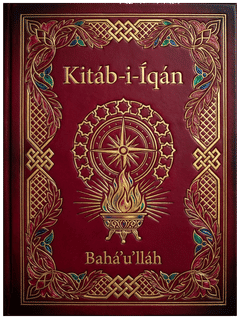
Kitáb-i-Íqán cover

Kitáb-i-Íqán

Bahá’u’lláh

The principal doctrinal work of the Faith, revealed in Baghdad within the space of two days and two nights in response to questions from the Báb’s maternal uncle. Shoghi Effendi described it as occupying a position unequalled by any work except the Kitáb-i-Aqdas — a model of Persian prose, at once original, chaste, vigorous, and remarkably lucid.

291 ¶

Prayers and Meditations cover

Prayers and Meditations

Bahá’u’lláh

Published in 1938, this companion volume to Gleanings contains 184 prayers and meditations selected by Shoghi Effendi from Bahá’u’lláh’s devotional writings revealed across successive exiles from Baghdad to ‘Akká. Shoghi Effendi described it as a volume whose perusal would deepen the spirit of devotion and faith.

858 ¶

Tablet of Aḥmad cover

Tablet of Aḥmad

Bahá’u’lláh

Revealed in Adrianople and addressed to a believer named Aḥmad, this Tablet has been invested by Bahá’u’lláh with a special potency and significance. Its central imagery draws on the metaphor of fire and water: “Be thou as a flame of fire to My enemies and a river of life eternal to My loved ones.”

17 ¶

Tablet of Carmel cover

Tablet of Carmel

Bahá’u’lláh

Revealed during a visit to Mount Carmel, this Tablet addresses the mountain directly and prophesies its future as the world spiritual and administrative center of the Faith. Shoghi Effendi designated it one of three foundational Charters. Its imagery of the Ark and the dwellers therein prefigures the Universal House of Justice.

5 ¶

Tablet of the Holy Mariner cover

Tablet of the Holy Mariner

Bahá’u’lláh

Chanted aloud in the outskirts of Baghdad just weeks before the Declaration in the Garden of Riḍván, its gloomy prognostications aroused the grave apprehensions of all who heard it. Only the Arabic portion has an authorized translation; the Persian portion remains untranslated.

57 ¶

The Hidden Words cover

The Hidden Words

Bahá’u’lláh

Seventy-one Arabic and eighty-two Persian aphorisms revealed around 1858 while walking along the banks of the Tigris in Baghdad. Originally designated the “Hidden Book of Fáṭimih,” Shoghi Effendi described it as a marvelous collection of gem-like utterances occupying a position of unsurpassed preeminence among the ethical writings of the Faith.

160 ¶

Will and Testament cover

Will and Testament

‘Abdu’l-Bahá

Written by ‘Abdu’l-Bahá in three parts between 1901 and 1908, opened and read after His passing on 28 November 1921. Shoghi Effendi designated it the Charter of the New World Order — the mightiest instrument forged to ensure the continuity of the three ages of the Bahá’í Dispensation.

59 ¶