Gleanings — §551

Arabic source with Shoghi Effendi’s authorized English translation. Paragraph 551 of 729.

Source (Arabic)

ل میل دهد و یا بغض او را از جهتی منع نماید چنانچه الیوم اکثری باین دو وجه از وجههٴ باقی و حضرت معانی بازمانده‌اند و بی‌شبان در صحراهای ضلالت و نسیان میچرند و باید در کلّ حین توکّل بحقّ نماید و از خلق اعراض کند و از عالم تراب منقطع شود و بگسلد و بربّ الأرباب دربندد و نفس خود را بر احدی ترجیح ندهد و افتخار و استکبار را از لوح قلب بشوید و بصبر و اصطبار دل بندد و صمت را شعار خود نماید و از تکلّم بی‌فائده احتراز کند چه زبان ناریست افسرده و کثرت بیان سمّی است هلاک‌کننده نار

Shoghi Effendi Translation

That seeker must, at all times, put his trust in God, must renounce the peoples of the earth, must detach himself from the world of dust, and cleave unto Him Who is the Lord of Lords. He must never seek to exalt himself above anyone, must wash away from the tablet of his heart every trace of pride and vainglory, must cling unto patience and resignation, observe silence and refrain from idle talk. For the tongue is a smoldering fire, and excess of speech a deadly poison. Material fire consumeth the body, whereas the fire of the tongue devoureth both heart and soul. The force of the former lasteth but for a time, whilst the effects of the latter endureth a century.

Translation Notes

میل

literal: inclination; leaning; preference

دهد
d-h

literal: to give; to grant; to yield

یا

literal: O; or

بغض

literal: hatred; enmity; animosity

او

literal: he; it (third person pronoun); refuge; shelter; dwelling place; abode; lamentation, cry, woe; melody, song

را

literal: object marker; object-marker; to

از

literal: from

جهتی

literal: direction; aspect; side; regard

منع

literal: forbidden; prevented; deprived

نماید

literal: to show, display, exhibit; to grow, develop

چنانچه

literal: thus; in such manner; as

الیوم

literal: day; age; period; era; a day

باین

literal: to manifest; to make clear; clear, evident

دو
d-w

literal: two; run; running

وجه

literal: face; countenance; direction; aspect

باقی

literal: remaining; everlasting; eternal; immortal; permanence; duration; continuance

حضرت

literal: presence; majesty; His/Your Excellency

معانی

literal: to concern; to mean; to turn away from; bounty; loving-kindness; grace; divine care; attention; meaning; significance; inner sense

بازمانده‌اند

literal: to remain; to stay; to be left

بی‌شبان

literal: shepherd; guide

در

literal: in; in, at; radiant

صحراهای

literal: desert; wilderness

ضلالت

literal: error; straying; misguidance; delusion; falsehood

نسیان

literal: man; human being; mankind

میچرند

literal: to graze; to wander; to roam

باید

literal: by hand; with hands; eternal; perpetual; everlasting

کلّ

literal: for us; to us

حین

literal: time; moment; while; season

توکّل

literal: agency; representation; trusteeship; delegated authority

بحقّ

literal: truth; true; right

خلق

literal: character; moral traits; disposition; conduct

اعراض

literal: to turn away; to avert; to abstain; heedless

کند

literal: to do; to make; to act; to dig, excavate; slow

عالم

literal: world; universe; the worlds

تراب

literal: dust; earth; soil

منقطع
q-ṭ-ʿ “must detach” Distinctive

literal: to be severed; to be cut off; to detach oneself; to abstain

شود

literal: to come; to go; to arrive; came

بگسلد

literal: break; break/sever; break not

بربّ
r-b-b “cleave unto Him” Distinctive

literal: by, with, through (preposition)

دربندد

literal: to bind; to tie

نفس

literal: self; soul; psyche; person; essence

خود

literal: self; himself; herself; itself; own

بر

literal: on; on, upon; upon

احدی

literal: oneness; unity; absolute unicity; singleness of divine essence

ترجیح

literal: preference; to prefer

افتخار

literal: glory; boasting; pride

استکبار

literal: great; grand; mighty; large

لوح

literal: tablet; panel; divine decree; revelation

قلب

literal: heart; to turn; to overturn

بشوید

literal: to become; to be

بصبر

literal: patience; forbearance; endurance; to be patient

دل

literal: to argue; to demonstrate; proof

صمت

literal: silence; to be silent

شعار

literal: hair

تکلّم

literal: words; utterances; locutions

بی‌فائده

literal: benefit; understood; derived

احتراز

literal: avoidance; caution; protection; guard

چه

literal: what; what/for; whatsoever, that which

زبان

literal: tongue; language

ناریست

literal: light; illumination

افسرده

literal: broken-hearted; melancholy; sorrowful

کثرت
k-th-r “most” Distinctive

literal: majority; multitude; abundance; multiplicity

بیان

literal: to manifest; to make clear; clear, evident

سمّی
s-m-y “names” Distinctive

literal: to name, to nominate, to designate, to appoint; name; noun; to name, to appoint, to designate

است

literal: to be; are (third person plural present copula)

هلاک‌کننده

literal: destruction; destroy; perish

Model Translations by Shoghi Effendi

Epistle to the Son of the Wolf cover

Epistle to the Son of the Wolf

Bahá’u’lláh

The last outstanding Tablet revealed by Bahá’u’lláh, written around 1891 and addressed to Shaykh Muḥammad-Taqí of Iṣfahán. It calls upon that rapacious priest to repent, quotes the most celebrated passages from Bahá’u’lláh’s own writings, and adduces proofs establishing the validity of His Cause.

268 ¶

Fire Tablet cover

Fire Tablet

Bahá’u’lláh

Revealed in late 1871 during a period of severe hardship in ‘Akká, this Tablet takes the form of an anguished dialogue between Bahá’u’lláh and God. Questions about the sufferings of the faithful are answered with divine assurances, building to a crescendo of triumph over tribulation.

50 ¶

Kitáb-i-'Ahd cover

Kitáb-i-’Ahd

Bahá’u’lláh

The Book of the Covenant — Bahá’u’lláh’s Will and Testament, written entirely in His own hand and unsealed on the ninth day after His ascension. It designates ‘Abdu’l-Bahá as His successor and establishes what Shoghi Effendi called the mightiest Covenant in all religious history.

16 ¶

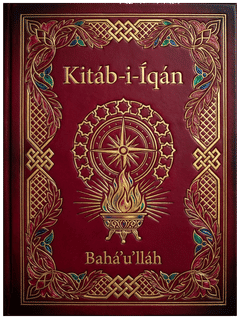
Kitáb-i-Íqán cover

Kitáb-i-Íqán

Bahá’u’lláh

The principal doctrinal work of the Faith, revealed in Baghdad within the space of two days and two nights in response to questions from the Báb’s maternal uncle. Shoghi Effendi described it as occupying a position unequalled by any work except the Kitáb-i-Aqdas — a model of Persian prose, at once original, chaste, vigorous, and remarkably lucid.

291 ¶

Prayers and Meditations cover

Prayers and Meditations

Bahá’u’lláh

Published in 1938, this companion volume to Gleanings contains 184 prayers and meditations selected by Shoghi Effendi from Bahá’u’lláh’s devotional writings revealed across successive exiles from Baghdad to ‘Akká. Shoghi Effendi described it as a volume whose perusal would deepen the spirit of devotion and faith.

858 ¶

Tablet of Aḥmad cover

Tablet of Aḥmad

Bahá’u’lláh

Revealed in Adrianople and addressed to a believer named Aḥmad, this Tablet has been invested by Bahá’u’lláh with a special potency and significance. Its central imagery draws on the metaphor of fire and water: “Be thou as a flame of fire to My enemies and a river of life eternal to My loved ones.”

17 ¶

Tablet of Carmel cover

Tablet of Carmel

Bahá’u’lláh

Revealed during a visit to Mount Carmel, this Tablet addresses the mountain directly and prophesies its future as the world spiritual and administrative center of the Faith. Shoghi Effendi designated it one of three foundational Charters. Its imagery of the Ark and the dwellers therein prefigures the Universal House of Justice.

5 ¶

Tablet of the Holy Mariner cover

Tablet of the Holy Mariner

Bahá’u’lláh

Chanted aloud in the outskirts of Baghdad just weeks before the Declaration in the Garden of Riḍván, its gloomy prognostications aroused the grave apprehensions of all who heard it. Only the Arabic portion has an authorized translation; the Persian portion remains untranslated.

57 ¶

The Hidden Words cover

The Hidden Words

Bahá’u’lláh

Seventy-one Arabic and eighty-two Persian aphorisms revealed around 1858 while walking along the banks of the Tigris in Baghdad. Originally designated the “Hidden Book of Fáṭimih,” Shoghi Effendi described it as a marvelous collection of gem-like utterances occupying a position of unsurpassed preeminence among the ethical writings of the Faith.

160 ¶

Will and Testament cover

Will and Testament

‘Abdu’l-Bahá

Written by ‘Abdu’l-Bahá in three parts between 1901 and 1908, opened and read after His passing on 28 November 1921. Shoghi Effendi designated it the Charter of the New World Order — the mightiest instrument forged to ensure the continuity of the three ages of the Bahá’í Dispensation.

59 ¶