Epistle to the Son of the Wolf — §252

Persian source with Shoghi Effendi’s authorized English translation. Paragraph 252 of 268.

Source (Persian)

اعرف يا هادی و کن من السّامعين * انصاف ده اکثر اصحاب الهی و ادلّای حقّ شهيد شدند تو هنوز موجودی * ايا حفظ تو از چه بوده لعمر اللّه از انکار و شهادت نفوس مقدّسه از اقرار * هر صاحب عدل و انصافی باين فقره گواهی ميدهد چه که سبب و علّت اين دو بمثابه افتاب ظاهر و مشهود *

Shoghi Effendi Translation

Know thou, O Hádí, and be of them that hearken. Judge thou equitably. The companions of God and the Testimonies of Him Who is the Truth have, for the most part, suffered martyrdom. Thou, however, art still alive. How is it that thou hast been spared? I swear by God! It is because of thy denial, whereas the martyrdom of the blessed souls was due to their confession. Every just and fair-minded person will bear witness unto this, inasmuch as the cause and motive of both are clear and evident as the sun.

Translation Notes

اعرف

literal: to confess; to acknowledge; to recognize

يا

literal: O; or

هادی

literal: guidance; to guide; direction; leading rightly; this; this one

کن

literal: to do; to make; to perform; to be; was

من

literal: from; out of; than (preposition and particle)

السّامعين

literal: heard, hearkened to, acceptable, worthy of attention

انصاف
n-ṣ-f “equitably” Distinctive

literal: justice; fairness; equity

ده

literal: میدهند is Persian verb from دادن (to give), not Arabic د-و-ن

اکثر

literal: majority; multitude; abundance; multiplicity

اصحاب

literal: possessor; those who have; companion; followers

الهی

literal: God; Allah; deity; Divinity; divine nature; godhood

ادلّای
d-l-l “proof” Distinctive

literal: to argue; to demonstrate; proof

حقّ

literal: truth; right; that which is true or just

شهيد

literal: witnessed; observed; seen; evident; manifest

شدند
sh-d “was” Distinctive

literal: to not become; to not be

تو

literal: you

هنوز

literal: still; yet; hitherto

موجودی

literal: to find; to discover; to obtain

ايا

literal: does; is it that (interrogative particle); sign; verse; O! (vocative particle); him; them (object pronoun)

حفظ

literal: guardian; preserver; keeper

از

literal: from

چه

literal: what; what/for; whatsoever, that which

بوده
b-w-d “hast been” Distinctive

literal: be; is; to be

لعمر

literal: life; age; duration; by the life of (oath)

انکار
n-k-r “denial” Distinctive

literal: denial; rejection; repudiation

نفوس

literal: self; soul; psyche; person; essence

مقدّسه
q-d-s “blessed” Distinctive

literal: holy, sacred, sanctified

اقرار

literal: stability; firmness; establishment

هر

literal: whatever; all that; whatever thing

عدل

literal: justice; equity

باين

literal: to manifest; to make clear; clear, evident; in; among; between; at this moment

فقره

literal: poor; needy; the poor one; pauper

ميدهد
d-h

literal: میدهند is Persian verb from دادن (to give), not Arabic د-و-ن

که
k-h

literal: that; who; who, that

سبب

literal: cause; reason; means; instrument

علّت
ʿ-l-l “motive” Distinctive

literal: for us; to us

اين

literal: this; these

دو
d-w

literal: two; run; running

بمثابه

literal: like; example; parable; similitude

افتاب

literal: horizon, direction, region; horizon; sun

ظاهر
ẓ-h-r “clear” Distinctive

literal: manifestation; appearance; to appear; to manifest

Source: Bahá'u'lláh, Epistle to the Son of the Wolf

Model Translations by Shoghi Effendi

Fire Tablet cover

Fire Tablet

Bahá’u’lláh

Revealed in late 1871 during a period of severe hardship in ‘Akká, this Tablet takes the form of an anguished dialogue between Bahá’u’lláh and God. Questions about the sufferings of the faithful are answered with divine assurances, building to a crescendo of triumph over tribulation.

50 ¶

Gleanings cover

Gleanings

Bahá’u’lláh

A compilation of 166 selections from Bahá’u’lláh’s Tablets, spanning the Baghdad, Adrianople, and ‘Akká periods (1853–1892). George Townshend assisted with English refinement. Shoghi Effendi wrote that it gives the friends a splendid opportunity to acquire knowledge and understanding of the Faith.

729 ¶

Kitáb-i-'Ahd cover

Kitáb-i-’Ahd

Bahá’u’lláh

The Book of the Covenant — Bahá’u’lláh’s Will and Testament, written entirely in His own hand and unsealed on the ninth day after His ascension. It designates ‘Abdu’l-Bahá as His successor and establishes what Shoghi Effendi called the mightiest Covenant in all religious history.

16 ¶

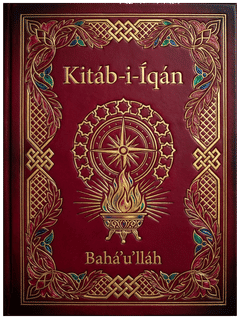
Kitáb-i-Íqán cover

Kitáb-i-Íqán

Bahá’u’lláh

The principal doctrinal work of the Faith, revealed in Baghdad within the space of two days and two nights in response to questions from the Báb’s maternal uncle. Shoghi Effendi described it as occupying a position unequalled by any work except the Kitáb-i-Aqdas — a model of Persian prose, at once original, chaste, vigorous, and remarkably lucid.

291 ¶

Prayers and Meditations cover

Prayers and Meditations

Bahá’u’lláh

Published in 1938, this companion volume to Gleanings contains 184 prayers and meditations selected by Shoghi Effendi from Bahá’u’lláh’s devotional writings revealed across successive exiles from Baghdad to ‘Akká. Shoghi Effendi described it as a volume whose perusal would deepen the spirit of devotion and faith.

858 ¶

Tablet of Aḥmad cover

Tablet of Aḥmad

Bahá’u’lláh

Revealed in Adrianople and addressed to a believer named Aḥmad, this Tablet has been invested by Bahá’u’lláh with a special potency and significance. Its central imagery draws on the metaphor of fire and water: “Be thou as a flame of fire to My enemies and a river of life eternal to My loved ones.”

17 ¶

Tablet of Carmel cover

Tablet of Carmel

Bahá’u’lláh

Revealed during a visit to Mount Carmel, this Tablet addresses the mountain directly and prophesies its future as the world spiritual and administrative center of the Faith. Shoghi Effendi designated it one of three foundational Charters. Its imagery of the Ark and the dwellers therein prefigures the Universal House of Justice.

5 ¶

Tablet of the Holy Mariner cover

Tablet of the Holy Mariner

Bahá’u’lláh

Chanted aloud in the outskirts of Baghdad just weeks before the Declaration in the Garden of Riḍván, its gloomy prognostications aroused the grave apprehensions of all who heard it. Only the Arabic portion has an authorized translation; the Persian portion remains untranslated.

57 ¶

The Hidden Words cover

The Hidden Words

Bahá’u’lláh

Seventy-one Arabic and eighty-two Persian aphorisms revealed around 1858 while walking along the banks of the Tigris in Baghdad. Originally designated the “Hidden Book of Fáṭimih,” Shoghi Effendi described it as a marvelous collection of gem-like utterances occupying a position of unsurpassed preeminence among the ethical writings of the Faith.

160 ¶

Will and Testament cover

Will and Testament

‘Abdu’l-Bahá

Written by ‘Abdu’l-Bahá in three parts between 1901 and 1908, opened and read after His passing on 28 November 1921. Shoghi Effendi designated it the Charter of the New World Order — the mightiest instrument forged to ensure the continuity of the three ages of the Bahá’í Dispensation.

59 ¶