Gleanings — §523

Arabic source with Shoghi Effendi’s authorized English translation. Paragraph 523 of 729.

Source (Arabic)

يريد، يا معشر الملوك إنّا نراكم في كلّ سنة تزدادون مصارفكم وتحمّلونها على الرّعيّة إن هذا إلاّ ظلم عظيم، اتّقوا زفرات المظلوم وعبراته ولا تحمّلوا على الرّعيّة فوق طاقتهم ولا تخربوهم لتعمير قصوركم، أن اختاروا لهم ما تختارونه لأنفسكم كذلك نبيّن لكم ما ينفعكم إن أنتم من المتفرّسين، إنّهم خزائنكم إيّاكم أن تحكموا عليهم ما لا حكم به الله وإيّاكم أن تسلّموها بأيدي السّارقين، بهم تحكمون وتأكلون وتغلبون وعليهم تستكبرون إن هذا إلاّ أمر عجيب، لمّا نبذتم الصّلح الأكبر عن ورائكم تمسّكوا بهذا الصّلح الأصغر لعلّ به تصلح

Shoghi Effendi Translation

O kings of the earth! We see you increasing every year your expenditures, and laying the burden thereof on your subjects. This, verily, is wholly and grossly unjust. Fear the sighs and tears of this wronged One, and lay not excessive burdens on your peoples. Do not rob them to rear palaces for yourselves; nay rather choose for them that which ye choose for yourselves. Thus We unfold to your eyes that which profiteth you, if ye but perceive. Your people are your treasures. Beware lest your rule violate the commandments of God, and ye deliver your wards to the hands of the robber. By them ye rule, by their means ye subsist, by their aid ye conquer. Yet, how disdainfully ye look upon them! How strange, how very strange!

Translation Notes

يريد،

literal: will; intention; to will; to intend; to wish

يا

literal: O; or

معشر

literal: association; companionship; social interaction; عشرين (twenty) is from numeral root ع-ش-ر, distinct from ‘association’ meaning

الملوك

literal: kingdom; dominion; realm; sovereignty; possessions; property; ownership

إنّا

literal: that; those; he; she; it

نراكم

literal: to see; to perceive; to look

في
f-y

literal: in; in-it; in it

كلّ

literal: for us; to us

سنة

literal: year; way; tradition; custom

تزدادون

literal: increase; excess; more; additional; to increase; to grow; to be added

مصارفكم
ṣ-r-f “treatment” Distinctive

literal: pure; disposal; assayer

وتحمّلونها

literal: to bear; to endure; to carry; to tolerate

على

literal: highest; most high; supreme

الرّعيّة

literal: to guard, watch over, regard, heed, respect, maintain; care; protection; guardianship; watchfulness

هذا

literal: this; that

إلاّ

literal: except; but; if not; lo; now; at this time; save; only; unless

ظلم
ẓ-l-m “unjust” Distinctive

literal: wrongedness, oppression, meekness; state of being wronged or oppressed

عظيم،

literal: greatest; supreme; mightiest

اتّقوا

literal: to fear; to frighten; afraid

زفرات

literal: sigh; sob; lamentation

وعبراته

literal: expression; phrase; utterance; statement; passage; wording

ولا

literal: no; not; negation particle

فوق

literal: above; over; beyond

طاقتهم
ṭ-w-q “who can abide” Distinctive

literal: strength; ability; capacity; power

تخربوهم
kh-r-b “most desolate” Distinctive

literal: ruin; desolation

لتعمير
ʿ-m-r “By My life” Distinctive

literal: life; age; duration; by the life of (oath)

قصوركم،
q-ṣ-r “powerlessness” Distinctive

literal: shortcoming; negligence; falling short; to be deficient

اختاروا

literal: goodwill; benevolence; kindness; good; goodness; benefit; better; best

لهم
l-h-m “inspiration” Distinctive

literal: inspiration; divine inspiration; revelation

ما

literal: what; which; that which; relative pronoun; interrogative

لأنفسكم

literal: self; soul; psyche; person; essence

كذلك

literal: thus; likewise; also

نبيّن

literal: between; utterance; clear

لكم

literal: for you, to you, your (dative pronoun)

ينفعكم
n-f-ʿ “profiteth” Distinctive

literal: benefits; profits; advantages

أنتم

literal: you

من
m-n

literal: from; out of; than (preposition and particle)

المتفرّسين،
f-r-s “send” Distinctive

literal: Persian; Persia

إنّهم
ʾ-n-n “that” Distinctive

literal: them (pronoun + object marker)

خزائنكم

literal: to store, to treasure; storehouse, depository, treasury

تحكموا

literal: government; rule; governance; wisdom; firm; solid; strengthened

عليهم

literal: exalted; highest; supreme; most high; upon you; on; over; Ali (name); upon

لا

literal: no; not; negation particle

به
b-h

literal: by it; by him; with it

الله

literal: God; Allah; deity; Divinity; divine nature; godhood

تسلّموها
s-l-m “resignation” Distinctive

literal: peace; submission; greeted

بأيدي

literal: hand; power; action; possession

السّارقين،
s-r-q “stolen” Distinctive

literal: thief; robber; stealer

بهم

literal: them (pronoun + object marker)

وتأكلون

literal: eat; to eat

وتغلبون
gh-l-b “ascendancy” Distinctive

literal: to overcome, overpower, vanquish, prevail

تستكبرون
k-b-r “grandeur” Distinctive

literal: great; grand; mighty; large; greatness; majesty; sovereignty; arrogance

أمر

literal: command; cause; matter; affair; Cause (of God); to command; to order

عجيب،

literal: wonder; amazement; marvelous; strange

لمّا

literal: when; certainly-not; when, since

نبذتم

literal: cast-away; cast away; cast

الصّلح

literal: peace; reconciliation

عن

literal: from; about; concerning; away from

ورائكم

literal: to see; to perceive; to look

تمسّكوا

literal: musk; to seize; grip

الأصغر

literal: smallness; insignificance; youth; to belittle

لعلّ

literal: perhaps; perchance; hopefully

Model Translations by Shoghi Effendi

Epistle to the Son of the Wolf cover

Epistle to the Son of the Wolf

Bahá’u’lláh

The last outstanding Tablet revealed by Bahá’u’lláh, written around 1891 and addressed to Shaykh Muḥammad-Taqí of Iṣfahán. It calls upon that rapacious priest to repent, quotes the most celebrated passages from Bahá’u’lláh’s own writings, and adduces proofs establishing the validity of His Cause.

268 ¶

Fire Tablet cover

Fire Tablet

Bahá’u’lláh

Revealed in late 1871 during a period of severe hardship in ‘Akká, this Tablet takes the form of an anguished dialogue between Bahá’u’lláh and God. Questions about the sufferings of the faithful are answered with divine assurances, building to a crescendo of triumph over tribulation.

50 ¶

Kitáb-i-'Ahd cover

Kitáb-i-’Ahd

Bahá’u’lláh

The Book of the Covenant — Bahá’u’lláh’s Will and Testament, written entirely in His own hand and unsealed on the ninth day after His ascension. It designates ‘Abdu’l-Bahá as His successor and establishes what Shoghi Effendi called the mightiest Covenant in all religious history.

16 ¶

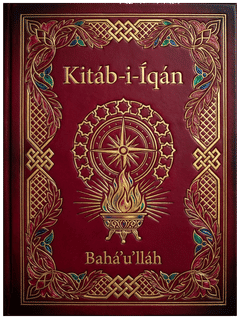
Kitáb-i-Íqán cover

Kitáb-i-Íqán

Bahá’u’lláh

The principal doctrinal work of the Faith, revealed in Baghdad within the space of two days and two nights in response to questions from the Báb’s maternal uncle. Shoghi Effendi described it as occupying a position unequalled by any work except the Kitáb-i-Aqdas — a model of Persian prose, at once original, chaste, vigorous, and remarkably lucid.

291 ¶

Prayers and Meditations cover

Prayers and Meditations

Bahá’u’lláh

Published in 1938, this companion volume to Gleanings contains 184 prayers and meditations selected by Shoghi Effendi from Bahá’u’lláh’s devotional writings revealed across successive exiles from Baghdad to ‘Akká. Shoghi Effendi described it as a volume whose perusal would deepen the spirit of devotion and faith.

858 ¶

Tablet of Aḥmad cover

Tablet of Aḥmad

Bahá’u’lláh

Revealed in Adrianople and addressed to a believer named Aḥmad, this Tablet has been invested by Bahá’u’lláh with a special potency and significance. Its central imagery draws on the metaphor of fire and water: “Be thou as a flame of fire to My enemies and a river of life eternal to My loved ones.”

17 ¶

Tablet of Carmel cover

Tablet of Carmel

Bahá’u’lláh

Revealed during a visit to Mount Carmel, this Tablet addresses the mountain directly and prophesies its future as the world spiritual and administrative center of the Faith. Shoghi Effendi designated it one of three foundational Charters. Its imagery of the Ark and the dwellers therein prefigures the Universal House of Justice.

5 ¶

Tablet of the Holy Mariner cover

Tablet of the Holy Mariner

Bahá’u’lláh

Chanted aloud in the outskirts of Baghdad just weeks before the Declaration in the Garden of Riḍván, its gloomy prognostications aroused the grave apprehensions of all who heard it. Only the Arabic portion has an authorized translation; the Persian portion remains untranslated.

57 ¶

The Hidden Words cover

The Hidden Words

Bahá’u’lláh

Seventy-one Arabic and eighty-two Persian aphorisms revealed around 1858 while walking along the banks of the Tigris in Baghdad. Originally designated the “Hidden Book of Fáṭimih,” Shoghi Effendi described it as a marvelous collection of gem-like utterances occupying a position of unsurpassed preeminence among the ethical writings of the Faith.

160 ¶

Will and Testament cover

Will and Testament

‘Abdu’l-Bahá

Written by ‘Abdu’l-Bahá in three parts between 1901 and 1908, opened and read after His passing on 28 November 1921. Shoghi Effendi designated it the Charter of the New World Order — the mightiest instrument forged to ensure the continuity of the three ages of the Bahá’í Dispensation.

59 ¶