Gleanings — §307

Arabic source with Shoghi Effendi’s authorized English translation. Paragraph 307 of 729.

Source (Arabic)

معلوم آن جناب بوده که روح در رتبهٴ خود قائم و مستقرّ است و اینکه در مریض ضعف مشاهده میشود بواسطهٴ اسباب مانعه بوده والّا در اصل ضعف بروح راجع نه مثلاً در سراج ملاحظه نمائید مضیء و روشن است ولکن اگر حائلی مانع شود در این صورت نور او ممنوع مع آنکه در رتبهٴ خود مضیء بوده ولکن باسباب مانعه اشراق نور منع شده و هم‌چنین مریض در حالت مرض ظهور قدرت و قوّت روح بسبب اسباب حائله ممنوع و مستور ولکن بعد از خروج از بدن بقدرت و قوّت و غلبه‌ئی ظاهر که شبه آن ممکن نه و ارواح لطیفهٴ طیّبهٴ مقدّسه بکمال قدرت و انبساط بوده و خواهند بود

Shoghi Effendi Translation

Know thou that the soul of man is exalted above, and is independent of all infirmities of body or mind. That a sick person showeth signs of weakness is due to the hindrances that interpose themselves between his soul and his body, for the soul itself remaineth unaffected by any bodily ailments. Consider the light of the lamp. Though an external object may interfere with its radiance, the light itself continueth to shine with undiminished power. In like manner, every malady afflicting the body of man is an impediment that preventeth the soul from manifesting its inherent might and power. When it leaveth the body, however, it will evince such ascendancy, and reveal such influence as no force on earth can equal. Every pure, every refined and sanctified soul will be endowed with tremendous power, and shall rejoice with exceeding gladness.

Translation Notes

معلوم

literal: world; universe; the worlds

آن

literal: that; those; he; she; it

جناب

literal: to avoid; to shun; to keep away from

بوده

literal: to do; to make; to perform; to be; was

که

literal: that; who; who, that

روح

literal: to go; to depart; to rest; spirit; soul

در

literal: in; in, at; radiant

رتبهٴ

literal: rank; station; degree; time; instance

خود

literal: self; himself; herself; itself; own

قائم

literal: rising; standing; uprising; resurrection

مستقرّ
q-r-r “acknowledged” Distinctive

literal: stability; firmness; establishment

اینکه
ʾ-y-n “That” Distinctive

literal: that, the fact that, this (demonstrative particle)

مریض
m-r-ḍ “ills” Distinctive

literal: illness, disease; sickness

ضعف

literal: weak; feeble; imperfect

مشاهده

literal: witnessed; observed; seen; evident; manifest

میشود
sh-w-d “is” Distinctive

literal: perhaps, perchance, haply, maybe, possibly; to become; to be; to happen; to occur

بواسطهٴ
w-s-ṭ “meridian” Distinctive

literal: mediator; intermediary; means; to mediate

اسباب

literal: cause; reason; means; instrument

والّا

literal: except; but; if not; lo; now; at this time; save; only; unless

اصل

literal: evening; afternoon; noble; ancient; nightfall; genesis

راجع

literal: return; reference; place of return; resort

نه

literal: end; ended; utmost

مثلاً

literal: like; example; parable; similitude

سراج

literal: lamp; light; illuminator

ملاحظه

literal: assembly; multitude; chiefs; to fill; people of rank; fullness, assembly

نمائید
n-m-ʾ “may” Distinctive

literal: to show, to display, to manifest, to exhibit; to manifest; to display; to show

مضیء

literal: to pass, go by; have passed; past; bygone

روشن

literal: light; illumination; brilliance; clarity

ولکن

literal: but; however; yet; nevertheless

اگر

literal: although; even if; though; notwithstanding

حائلی
ḥ-w-l “now” Distinctive

literal: states; conditions; circumstances; situations; affairs

مانع
m-n-ʿ “hinder” Distinctive

literal: forbidden; prevented; deprived

صورت

literal: to imagine; to conceive; to suppose

نور
n-w-r “its radiance” Distinctive

literal: light; illumination

او

literal: he; it (third person pronoun); refuge; shelter; dwelling place; abode; lamentation, cry, woe; melody, song

مع

literal: with; together with; alongside

اشراق

literal: radiance; splendor; dawn; illumination

شده

literal: to become; to be

هم‌چنین

literal: always; ever; forever; at all times; constantly

ظهور
ẓ-h-r “manifesting” Distinctive

literal: manifestation; appearance; to appear; to manifest

قدرت

literal: power; might; decree; measure; worth

قوّت

literal: strength; power; might

مستور

literal: to veil; to conceal; to cover; veil; covering

بعد
b-ʿ-d “When” Distinctive

literal: after; behind; distance

از

literal: from

خروج
kh-r-j “banished” Distinctive

literal: bringing out, taking out, expulsion, extraction

بدن

literal: without; apart from; besides

غلبه‌ئی

literal: dominance; overcome; victorious

شبه

literal: doubt; uncertainty; suspicion; resemblance; semblance

ممکن

literal: establishment; confirmation; empowerment; firm settlement; place; possibility; being (negated as ‘non-being’)

لطیفهٴ

literal: kindness; subtle; kindness, grace

طیّبهٴ

literal: good; pure; sweet; fragrant; virtuous

مقدّسه

literal: holy, sacred, sanctified

بکمال

literal: perfection; completeness; fully; with full; in complete; to complete, perfect, fulfill

انبساط

literal: carpet; mat; carpet of realm; expanse; table; surface

خواهند

literal: to will; to want; shall; will (future auxiliary)

Model Translations by Shoghi Effendi

Epistle to the Son of the Wolf cover

Epistle to the Son of the Wolf

Bahá’u’lláh

The last outstanding Tablet revealed by Bahá’u’lláh, written around 1891 and addressed to Shaykh Muḥammad-Taqí of Iṣfahán. It calls upon that rapacious priest to repent, quotes the most celebrated passages from Bahá’u’lláh’s own writings, and adduces proofs establishing the validity of His Cause.

268 ¶

Fire Tablet cover

Fire Tablet

Bahá’u’lláh

Revealed in late 1871 during a period of severe hardship in ‘Akká, this Tablet takes the form of an anguished dialogue between Bahá’u’lláh and God. Questions about the sufferings of the faithful are answered with divine assurances, building to a crescendo of triumph over tribulation.

50 ¶

Kitáb-i-'Ahd cover

Kitáb-i-’Ahd

Bahá’u’lláh

The Book of the Covenant — Bahá’u’lláh’s Will and Testament, written entirely in His own hand and unsealed on the ninth day after His ascension. It designates ‘Abdu’l-Bahá as His successor and establishes what Shoghi Effendi called the mightiest Covenant in all religious history.

16 ¶

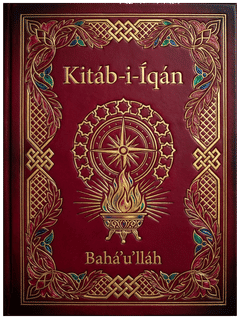
Kitáb-i-Íqán cover

Kitáb-i-Íqán

Bahá’u’lláh

The principal doctrinal work of the Faith, revealed in Baghdad within the space of two days and two nights in response to questions from the Báb’s maternal uncle. Shoghi Effendi described it as occupying a position unequalled by any work except the Kitáb-i-Aqdas — a model of Persian prose, at once original, chaste, vigorous, and remarkably lucid.

291 ¶

Prayers and Meditations cover

Prayers and Meditations

Bahá’u’lláh

Published in 1938, this companion volume to Gleanings contains 184 prayers and meditations selected by Shoghi Effendi from Bahá’u’lláh’s devotional writings revealed across successive exiles from Baghdad to ‘Akká. Shoghi Effendi described it as a volume whose perusal would deepen the spirit of devotion and faith.

858 ¶

Tablet of Aḥmad cover

Tablet of Aḥmad

Bahá’u’lláh

Revealed in Adrianople and addressed to a believer named Aḥmad, this Tablet has been invested by Bahá’u’lláh with a special potency and significance. Its central imagery draws on the metaphor of fire and water: “Be thou as a flame of fire to My enemies and a river of life eternal to My loved ones.”

17 ¶

Tablet of Carmel cover

Tablet of Carmel

Bahá’u’lláh

Revealed during a visit to Mount Carmel, this Tablet addresses the mountain directly and prophesies its future as the world spiritual and administrative center of the Faith. Shoghi Effendi designated it one of three foundational Charters. Its imagery of the Ark and the dwellers therein prefigures the Universal House of Justice.

5 ¶

Tablet of the Holy Mariner cover

Tablet of the Holy Mariner

Bahá’u’lláh

Chanted aloud in the outskirts of Baghdad just weeks before the Declaration in the Garden of Riḍván, its gloomy prognostications aroused the grave apprehensions of all who heard it. Only the Arabic portion has an authorized translation; the Persian portion remains untranslated.

57 ¶

The Hidden Words cover

The Hidden Words

Bahá’u’lláh

Seventy-one Arabic and eighty-two Persian aphorisms revealed around 1858 while walking along the banks of the Tigris in Baghdad. Originally designated the “Hidden Book of Fáṭimih,” Shoghi Effendi described it as a marvelous collection of gem-like utterances occupying a position of unsurpassed preeminence among the ethical writings of the Faith.

160 ¶

Will and Testament cover

Will and Testament

‘Abdu’l-Bahá

Written by ‘Abdu’l-Bahá in three parts between 1901 and 1908, opened and read after His passing on 28 November 1921. Shoghi Effendi designated it the Charter of the New World Order — the mightiest instrument forged to ensure the continuity of the three ages of the Bahá’í Dispensation.

59 ¶