Gleanings — §306

Arabic source with Shoghi Effendi’s authorized English translation. Paragraph 306 of 729.

Source (Arabic)

وأمّا ما سألت، بنی نوع انسانی بعد از موت ظاهری غیر از انبیا و اولیا آیا همین تعیّن و تشخّص و ادراک و شعوری که قبل از موت در او موجود است بعد از موت هم باقی است یا زائل میشود و بر فرض بقا چگونه است که در حال حیات فی‌الجمله صدمه که بمشاعر انسانی وارد میشود از قبیل بیهوشی و مرض شدید شعور و ادراک از او زایل میشود و موت که انعدام ترکیب و عناصر است چگونه میشود که بعد او تشخّص و شعوری متصوّر شود با آنکه آلات بتمامها از هم پاشیده انتهی

Shoghi Effendi Translation

Thou hast asked Me whether man, as apart from the Prophets of God and His chosen ones, will retain, after his physical death, the self-same individuality, personality, consciousness, and understanding that characterize his life in this world. If this should be the case, how is it, thou hast observed, that whereas such slight injuries to his mental faculties as fainting and severe illness deprive him of his understanding and consciousness, his death, which must involve the decomposition of his body and the dissolution of its elements, is powerless to destroy that understanding and extinguish that consciousness? How can anyone imagine that man’s consciousness and personality will be maintained, when the very instruments necessary to their existence and function will have completely disintegrated?

Translation Notes

وأمّا
ʾ-m-m “nations” Distinctive

literal: mother; to lead; to head; matter; affair; people; nation; community; female servant; handmaiden; umma

ما

literal: what; which; that which; relative pronoun; interrogative

سألت،

literal: resignation; submission; surrender; submissiveness

بنی

literal: building, structure, edifice; to build, construct; structure, edifice

نوع

literal: type; kind; species

انسانی

literal: human; mankind; of humanity

بعد

literal: after; behind; distance

از

literal: from

موت

literal: death; dead; to die

ظاهری

literal: manifestation; appearance; to appear; to manifest; to display; to reveal; ظهور here means ‘backs’ (plural of ظهر), different semantic use than manifestation

غیر

literal: without; besides; other than; except; other; different

انبیا

literal: prophet; prophets

اولیا
w-l-y “His chosen ones” Distinctive

literal: guardian; protector; friend; ally; lord; helper; first; primary; original

آیا

literal: does; is it that (interrogative particle); sign; verse; O! (vocative particle); him; them (object pronoun)

همین
h-m-n “Help in Peril” Distinctive

literal: the same; that very

تعیّن
ʿ-y-n “eyes” Distinctive

literal: eye; fountain; spring; essence; to appoint; to designate; to specify; to determine

تشخّص

literal: person, individual, self; movement, stirring

ادراک

literal: to overtake; to catch; to reach; to attain; to perceive; to comprehend

شعوری

literal: hair

که
k-h

literal: that; who; who, that

قبل

literal: group; company; tribe; sort; kind

در

literal: in; in, at; radiant

او

literal: he; it (third person pronoun); refuge; shelter; dwelling place; abode; lamentation, cry, woe; melody, song

موجود

literal: to find; to discover; to obtain

است

literal: to be; are (third person plural present copula)

هم

literal: them (pronoun + object marker)

باقی

literal: remaining; everlasting; eternal; immortal

یا

literal: O; or

زایل
z-w-l “at all times” Distinctive

literal: to pass away; to vanish; to disappear; to cease

میشود

literal: perhaps, perchance, haply, maybe, possibly; to become; to be; to happen; to occur

بر

literal: by, with, through (preposition)

فرض

literal: obligatory; incumbent; imposed; prescribed; fixed

چگونه

literal: how; in what manner

حال

literal: state; condition; circumstance

حیات

literal: life; vitality; living

فی‌الجمله

literal: beauty; totality; beautiful

صدمه

literal: shock/injury; blow; affliction

وارد

literal: to enter, to come, to befall, to arrive

بیهوشی

literal: unconsciousness/fainting

مرض
m-r-ḍ “ills” Distinctive

literal: illness, disease; sickness

شدید

literal: strong; severe; intense; violent

انعدام
ʿ-d-m “nothingness” Distinctive

literal: nonexistent; void; nullified

ترکیب

literal: commit; commission; mount

عناصر

literal: element; essence; nature; lineage

متصوّر
ṣ-w-r “trumpet-call” Distinctive

literal: form; trumpet; conception

با

literal: to; with; by

آنکه

literal: that; indeed; that, to

آلات

literal: instrument/tool

بتمامها

literal: most complete; to complete; perfect; fullness

پاشیده

literal: scattered/disintegrated

انتهی

literal: end, limit, utmost, extreme; final; the end, limit, utmost bound; Lote-Tree beyond which there is no passing; end; limit; terminus


Model Translations by Shoghi Effendi

Epistle to the Son of the Wolf cover

Epistle to the Son of the Wolf

Bahá’u’lláh

The last outstanding Tablet revealed by Bahá’u’lláh, written around 1891 and addressed to Shaykh Muḥammad-Taqí of Iṣfahán. It calls upon that rapacious priest to repent, quotes the most celebrated passages from Bahá’u’lláh’s own writings, and adduces proofs establishing the validity of His Cause.

268 ¶

Fire Tablet cover

Fire Tablet

Bahá’u’lláh

Revealed in late 1871 during a period of severe hardship in ‘Akká, this Tablet takes the form of an anguished dialogue between Bahá’u’lláh and God. Questions about the sufferings of the faithful are answered with divine assurances, building to a crescendo of triumph over tribulation.

50 ¶

Kitáb-i-'Ahd cover

Kitáb-i-’Ahd

Bahá’u’lláh

The Book of the Covenant — Bahá’u’lláh’s Will and Testament, written entirely in His own hand and unsealed on the ninth day after His ascension. It designates ‘Abdu’l-Bahá as His successor and establishes what Shoghi Effendi called the mightiest Covenant in all religious history.

16 ¶

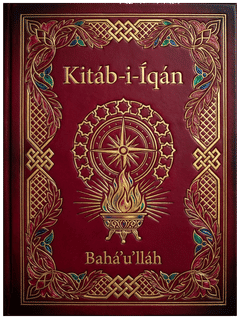
Kitáb-i-Íqán cover

Kitáb-i-Íqán

Bahá’u’lláh

The principal doctrinal work of the Faith, revealed in Baghdad within the space of two days and two nights in response to questions from the Báb’s maternal uncle. Shoghi Effendi described it as occupying a position unequalled by any work except the Kitáb-i-Aqdas — a model of Persian prose, at once original, chaste, vigorous, and remarkably lucid.

291 ¶

Prayers and Meditations cover

Prayers and Meditations

Bahá’u’lláh

Published in 1938, this companion volume to Gleanings contains 184 prayers and meditations selected by Shoghi Effendi from Bahá’u’lláh’s devotional writings revealed across successive exiles from Baghdad to ‘Akká. Shoghi Effendi described it as a volume whose perusal would deepen the spirit of devotion and faith.

858 ¶

Tablet of Aḥmad cover

Tablet of Aḥmad

Bahá’u’lláh

Revealed in Adrianople and addressed to a believer named Aḥmad, this Tablet has been invested by Bahá’u’lláh with a special potency and significance. Its central imagery draws on the metaphor of fire and water: “Be thou as a flame of fire to My enemies and a river of life eternal to My loved ones.”

17 ¶

Tablet of Carmel cover

Tablet of Carmel

Bahá’u’lláh

Revealed during a visit to Mount Carmel, this Tablet addresses the mountain directly and prophesies its future as the world spiritual and administrative center of the Faith. Shoghi Effendi designated it one of three foundational Charters. Its imagery of the Ark and the dwellers therein prefigures the Universal House of Justice.

5 ¶

Tablet of the Holy Mariner cover

Tablet of the Holy Mariner

Bahá’u’lláh

Chanted aloud in the outskirts of Baghdad just weeks before the Declaration in the Garden of Riḍván, its gloomy prognostications aroused the grave apprehensions of all who heard it. Only the Arabic portion has an authorized translation; the Persian portion remains untranslated.

57 ¶

The Hidden Words cover

The Hidden Words

Bahá’u’lláh

Seventy-one Arabic and eighty-two Persian aphorisms revealed around 1858 while walking along the banks of the Tigris in Baghdad. Originally designated the “Hidden Book of Fáṭimih,” Shoghi Effendi described it as a marvelous collection of gem-like utterances occupying a position of unsurpassed preeminence among the ethical writings of the Faith.

160 ¶

Will and Testament cover

Will and Testament

‘Abdu’l-Bahá

Written by ‘Abdu’l-Bahá in three parts between 1901 and 1908, opened and read after His passing on 28 November 1921. Shoghi Effendi designated it the Charter of the New World Order — the mightiest instrument forged to ensure the continuity of the three ages of the Bahá’í Dispensation.

59 ¶