Gleanings — §142

Arabic source with Shoghi Effendi’s authorized English translation. Paragraph 142 of 729.

Source (Arabic)

دوستی سرایان است بگوش دوستان رسید پس فرمان شد که این بنده بپاسخ برخی از پرسشها لب گشاید و آنچه از رازها که نگارش آن شاید آشکار نماید در آن نامهٴ دلپسند نگارش رفته بود که کدام از کیش‌آوران بر دیگری برتری دارد در اینجا خداوند یگانه میفرماید میان پیمبران جدائی ننهیم چون خواست همه یکی است و راز همگی یکسان جدائی و برتری میان ایشان روا نه پیمبر راستگو خود را بنام پیمبر پیشین خوانده پس چون کسی بنهان این گفتار پی‌نبرد بگفته‌های ناشایسته پردازد دانای بینا را از گفتهٴ او لغزش پدیدار نشود اگرچه

Shoghi Effendi Translation

The songs which the bird of thine heart had uttered in its great love for its friends have reached their ears, and moved Me to answer thy questions, and reveal to thee such secrets as I am allowed to unfold. In thine esteemed letter thou hadst inquired which of the Prophets of God should be regarded as superior to others. Know thou assuredly that the essence of all the Prophets of God is one and the same. Their unity is absolute. God, the Creator, saith: There is no distinction whatsoever among the Bearers of My Message. They all have but one purpose; their secret is the same secret. To prefer one in honor to another, to exalt certain ones above the rest, is in no wise to be permitted. Every true Prophet hath regarded His Message as fundamentally the same as the Revelation of every other Prophet gone before Him. If any man, therefore, should fail to comprehend this truth, and should consequently indulge in vain and unseemly language, no one whose sight is keen and whose understanding is enlightened would ever allow such idle talk to cause him to waver in his belief.

Translation Notes

دوستی

literal: friend; beloved; to befriend

سرایان

literal: lamp; light; illuminator

است

literal: to be; are (third person plural present copula)

بگوش

literal: ear; to hear, listen

رسید

literal: to arrive; to reach; to attain; to come

پس
p-s

literal: then; then, therefore; therefore

فرمان

literal: to say; to decree; to ordain; to command

شد

literal: to become; to be

که
k-h

literal: that; who; who, that

این

literal: this; these

بنده

literal: servants; bondsmen; slaves

بپاسخ

literal: answer, response

برخی

literal: to rise; to stand up; to arise; to rebel

از

literal: from

پرسشها

literal: question, inquiry

لب
l-b

literal: core; essence; intellect; hearts (of understanding)

گشاید

literal: open; opened; opens

آنچه

literal: that; those; he; she; it

رازها

literal: secret; mystery

نگارش

literal: to deem; to regard; to consider; to hold

شاید

literal: perhaps, perchance, haply, maybe, possibly; to become; to be; to happen; to occur

آشکار
sh-k-r “render thanks” Distinctive

literal: manifest; evident; apparent; clear

نماید

literal: to show, display, exhibit; to grow, develop

در

literal: in; in, at; radiant

نامهٴ
n-ʾ-m “name” Distinctive

literal: to name; to call; to designate

دلپسند

literal: pleasing to the heart; beloved; delightful

رفته

literal: to go; to pass; to have gone

کدام

literal: which; what; whoever; any

کیش‌آوران

literal: would that; O that; if only

بر

literal: by, with, through (preposition)

دیگری

literal: other; another; different

برتری

literal: higher; superior; elevated; to transcend

دارد

literal: to have; to hold; to possess; to maintain

اینجا

literal: here, this place; place

یگانه

literal: oneness; unity; singleness; uniqueness

میفرماید

literal: to say; to decree; to ordain; to command

میان

literal: between; among; amid; in the midst of

پیمبران

literal: covenant; bond; pledge; testament; to measure; to traverse; to pass

جدائی

literal: separation, distinction; separate; separately

ننهیم
n-h

literal: to place; to lay down; to set; to submit

چون

literal: since; when; as

خواست

literal: to wish, to desire, to want, to ask, to request; wish, desire, will

همه

literal: them (pronoun + object marker)

یکی

literal: Divine unity; monotheism; belief in the oneness of God

همگی

literal: all; everyone; together

یکسان

literal: the same; uniform; equal; alike

ایشان

literal: that; it (object pronoun with suffix)

روا
r-w-y “tradition” Distinctive

literal: face; grow; tradition

نه

literal: end; ended; utmost

راستگو
q-w-l “hath regarded” Distinctive

literal: truthfulness; righteousness; right guidance

خود

literal: self; himself; herself; itself; own

را

literal: object marker; object-marker; to

بنام

literal: in the name of; by the name of

پیشین

literal: before; previous, former; presence

خوانده

literal: to read; unread; illiterate

کسی

literal: someone; anyone; a person

بنهان

literal: hidden; secret; to hide

گفتار
g-f-t “said” Distinctive

literal: utterance; speech; word; discourse

پی‌نبرد

literal: comprehend, understand

ناشایسته
sh-y-n ““shin” Distinctive

literal: fitting, suitable, worthy, appropriate; worthy; fitting; befitting; suitable

پردازد

literal: engage in, indulge; occupied, engaged; engage

دانای

literal: this world; earthly life; temporal realm; lowest; base; mean; of little account; to know; to be acquainted with

بینا
b-y-n “utterance” Distinctive

literal: sight; insight; discernment; spiritual perception

او

literal: he; it (third person pronoun); refuge; shelter; dwelling place; abode; lamentation, cry, woe; melody, song


لغزش

literal: slip, error; slip; abstruse

پدیدار

literal: manifest; visible; apparent

نشود

literal: to not become; to not be

Model Translations by Shoghi Effendi

Epistle to the Son of the Wolf cover

Epistle to the Son of the Wolf

Bahá’u’lláh

The last outstanding Tablet revealed by Bahá’u’lláh, written around 1891 and addressed to Shaykh Muḥammad-Taqí of Iṣfahán. It calls upon that rapacious priest to repent, quotes the most celebrated passages from Bahá’u’lláh’s own writings, and adduces proofs establishing the validity of His Cause.

268 ¶

Fire Tablet cover

Fire Tablet

Bahá’u’lláh

Revealed in late 1871 during a period of severe hardship in ‘Akká, this Tablet takes the form of an anguished dialogue between Bahá’u’lláh and God. Questions about the sufferings of the faithful are answered with divine assurances, building to a crescendo of triumph over tribulation.

50 ¶

Kitáb-i-'Ahd cover

Kitáb-i-’Ahd

Bahá’u’lláh

The Book of the Covenant — Bahá’u’lláh’s Will and Testament, written entirely in His own hand and unsealed on the ninth day after His ascension. It designates ‘Abdu’l-Bahá as His successor and establishes what Shoghi Effendi called the mightiest Covenant in all religious history.

16 ¶

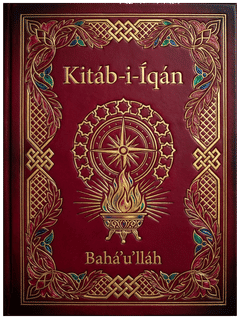
Kitáb-i-Íqán cover

Kitáb-i-Íqán

Bahá’u’lláh

The principal doctrinal work of the Faith, revealed in Baghdad within the space of two days and two nights in response to questions from the Báb’s maternal uncle. Shoghi Effendi described it as occupying a position unequalled by any work except the Kitáb-i-Aqdas — a model of Persian prose, at once original, chaste, vigorous, and remarkably lucid.

291 ¶

Prayers and Meditations cover

Prayers and Meditations

Bahá’u’lláh

Published in 1938, this companion volume to Gleanings contains 184 prayers and meditations selected by Shoghi Effendi from Bahá’u’lláh’s devotional writings revealed across successive exiles from Baghdad to ‘Akká. Shoghi Effendi described it as a volume whose perusal would deepen the spirit of devotion and faith.

858 ¶

Tablet of Aḥmad cover

Tablet of Aḥmad

Bahá’u’lláh

Revealed in Adrianople and addressed to a believer named Aḥmad, this Tablet has been invested by Bahá’u’lláh with a special potency and significance. Its central imagery draws on the metaphor of fire and water: “Be thou as a flame of fire to My enemies and a river of life eternal to My loved ones.”

17 ¶

Tablet of Carmel cover

Tablet of Carmel

Bahá’u’lláh

Revealed during a visit to Mount Carmel, this Tablet addresses the mountain directly and prophesies its future as the world spiritual and administrative center of the Faith. Shoghi Effendi designated it one of three foundational Charters. Its imagery of the Ark and the dwellers therein prefigures the Universal House of Justice.

5 ¶

Tablet of the Holy Mariner cover

Tablet of the Holy Mariner

Bahá’u’lláh

Chanted aloud in the outskirts of Baghdad just weeks before the Declaration in the Garden of Riḍván, its gloomy prognostications aroused the grave apprehensions of all who heard it. Only the Arabic portion has an authorized translation; the Persian portion remains untranslated.

57 ¶

The Hidden Words cover

The Hidden Words

Bahá’u’lláh

Seventy-one Arabic and eighty-two Persian aphorisms revealed around 1858 while walking along the banks of the Tigris in Baghdad. Originally designated the “Hidden Book of Fáṭimih,” Shoghi Effendi described it as a marvelous collection of gem-like utterances occupying a position of unsurpassed preeminence among the ethical writings of the Faith.

160 ¶

Will and Testament cover

Will and Testament

‘Abdu’l-Bahá

Written by ‘Abdu’l-Bahá in three parts between 1901 and 1908, opened and read after His passing on 28 November 1921. Shoghi Effendi designated it the Charter of the New World Order — the mightiest instrument forged to ensure the continuity of the three ages of the Bahá’í Dispensation.

59 ¶