Gleanings — §681

Arabic source with Shoghi Effendi’s authorized English translation. Paragraph 681 of 729.

Source (Arabic)

ای بندگان بنيان مصر ايقان حضرت سبحان را بنقر وهم و ظنون منهدم مکنيد چه که ظنّ لم يزل مغنی نبوده و لايزال نفسی را بصراط مستقيم هادی نگشته ای عباد يد قدرت مبسوطه ممدودهٔٔ مرتفعه سلطنتم را مغلول فرض گرفته‌ايد و رحمت مُنزله مسبوقه غير مقطوعه‌ام را مقطوع داشته‌ايد و سحاب مرتفعه متعاليه جود و کرمم را ممنوع و غير مهطول فرض ن

Shoghi Effendi Translation

O My servants! Were ye to discover the hidden, the shoreless oceans of My incorruptible wealth, ye would, of a certainty, esteem as nothing the world, nay, the entire creation. Let the flame of search burn with such fierceness within your hearts as to enable you to attain your supreme and most exalted goal — the station at which ye can draw nigh unto, and be united with, your Best-Beloved.…

Translation Notes

ای

literal: O; vocative particle; oh (vocative particle)

بندگان

literal: servants; bondsmen; slaves

بنيان

literal: building, structure, edifice; to build, construct; structure, edifice

مصر

literal: matter; affair; thing

ايقان
y-q-n “of a certainty” Distinctive

literal: certitude; conviction; certainty; faith

حضرت

literal: presence; majesty; His/Your Excellency

سبحان

literal: glorified; the All-Praised; exalted; dawn; daybreak; morning

را

literal: object marker; object-marker; to

بنقر

literal: trumpet; bell; a loud sound

وهم

literal: to imagine, suppose; fancy, idle imagination

ظنون

literal: fancy; supposition; vain imagination; idle conjecture

منهدم

literal: to place; to lay down; to set; to submit

مکنيد
k-n

literal: to do; to make; to perform; to be; was

چه

literal: what; what/for; whatsoever, that which

که
k-h

literal: that; who; who, that

لم

literal: to reproach; blame; censure

يزل

literal: to pass away; to vanish; to disappear; to cease

مغنی

literal: rich; wealth; independent

نبوده
b-w-d “Were” Distinctive

literal: to be; to exist; to have been

نفسی

literal: self; soul; psyche; person; essence

بصراط

literal: sight; insight; discernment; spiritual perception

مستقيم
q-w-m “station” Distinctive

literal: rising; standing; resurrection; uprising; establishment

هادی

literal: guidance; to guide; direction; leading rightly; this; this one

نگشته

literal: to become; to turn; to be

عباد

literal: servant; slave; worshipper

يد

literal: hand; power; strength; (plural) hands; agents; helpers; to assist, to support, to aid, to strengthen


قدرت

literal: power; might; decree; measure; worth

مبسوطه

literal: carpet; mat; carpet of realm; expanse; table; surface

ممدودهٔٔ

literal: extended; outstretched; sustained

مرتفعه
r-f-ʿ “exalted” Distinctive

literal: to be raised, elevated, exalted, lifted up

سلطنتم

literal: dominion; authority; power; sovereignty; control

مغلول

literal: one who envies; envious; malicious

فرض

literal: obligatory; incumbent; imposed; prescribed; fixed

گرفته‌ايد

literal: take; taken; to take

رحمت

literal: merciful, compassionate; pertaining to divine mercy

مُنزله

literal: to descend, to be revealed

مسبوقه

literal: to precede; to surpass; to excel

غير

literal: without; besides; other than; except; other; different

مقطوعه‌ام

literal: to be severed; to be cut off; to detach oneself; to abstain

داشته‌ايد

literal: have; had; to have

سحاب

literal: cloud; clouds

متعاليه

literal: highest; most high; supreme

جود

literal: generosity; bounty; liberality

کرمم

literal: Carmel (Mount Carmel); vineyard, fruitful field; honor; generosity; nobility

ممنوع

literal: forbidden; prevented; deprived

مهطول

literal: pouring; pour down; raining

Model Translations by Shoghi Effendi

Epistle to the Son of the Wolf cover

Epistle to the Son of the Wolf

Bahá’u’lláh

The last outstanding Tablet revealed by Bahá’u’lláh, written around 1891 and addressed to Shaykh Muḥammad-Taqí of Iṣfahán. It calls upon that rapacious priest to repent, quotes the most celebrated passages from Bahá’u’lláh’s own writings, and adduces proofs establishing the validity of His Cause.

268 ¶

Fire Tablet cover

Fire Tablet

Bahá’u’lláh

Revealed in late 1871 during a period of severe hardship in ‘Akká, this Tablet takes the form of an anguished dialogue between Bahá’u’lláh and God. Questions about the sufferings of the faithful are answered with divine assurances, building to a crescendo of triumph over tribulation.

50 ¶

Kitáb-i-'Ahd cover

Kitáb-i-’Ahd

Bahá’u’lláh

The Book of the Covenant — Bahá’u’lláh’s Will and Testament, written entirely in His own hand and unsealed on the ninth day after His ascension. It designates ‘Abdu’l-Bahá as His successor and establishes what Shoghi Effendi called the mightiest Covenant in all religious history.

16 ¶

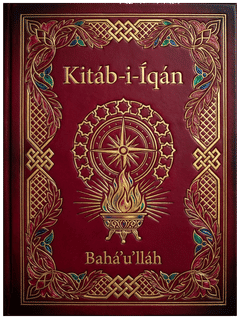
Kitáb-i-Íqán cover

Kitáb-i-Íqán

Bahá’u’lláh

The principal doctrinal work of the Faith, revealed in Baghdad within the space of two days and two nights in response to questions from the Báb’s maternal uncle. Shoghi Effendi described it as occupying a position unequalled by any work except the Kitáb-i-Aqdas — a model of Persian prose, at once original, chaste, vigorous, and remarkably lucid.

291 ¶

Prayers and Meditations cover

Prayers and Meditations

Bahá’u’lláh

Published in 1938, this companion volume to Gleanings contains 184 prayers and meditations selected by Shoghi Effendi from Bahá’u’lláh’s devotional writings revealed across successive exiles from Baghdad to ‘Akká. Shoghi Effendi described it as a volume whose perusal would deepen the spirit of devotion and faith.

858 ¶

Tablet of Aḥmad cover

Tablet of Aḥmad

Bahá’u’lláh

Revealed in Adrianople and addressed to a believer named Aḥmad, this Tablet has been invested by Bahá’u’lláh with a special potency and significance. Its central imagery draws on the metaphor of fire and water: “Be thou as a flame of fire to My enemies and a river of life eternal to My loved ones.”

17 ¶

Tablet of Carmel cover

Tablet of Carmel

Bahá’u’lláh

Revealed during a visit to Mount Carmel, this Tablet addresses the mountain directly and prophesies its future as the world spiritual and administrative center of the Faith. Shoghi Effendi designated it one of three foundational Charters. Its imagery of the Ark and the dwellers therein prefigures the Universal House of Justice.

5 ¶

Tablet of the Holy Mariner cover

Tablet of the Holy Mariner

Bahá’u’lláh

Chanted aloud in the outskirts of Baghdad just weeks before the Declaration in the Garden of Riḍván, its gloomy prognostications aroused the grave apprehensions of all who heard it. Only the Arabic portion has an authorized translation; the Persian portion remains untranslated.

57 ¶

The Hidden Words cover

The Hidden Words

Bahá’u’lláh

Seventy-one Arabic and eighty-two Persian aphorisms revealed around 1858 while walking along the banks of the Tigris in Baghdad. Originally designated the “Hidden Book of Fáṭimih,” Shoghi Effendi described it as a marvelous collection of gem-like utterances occupying a position of unsurpassed preeminence among the ethical writings of the Faith.

160 ¶

Will and Testament cover

Will and Testament

‘Abdu’l-Bahá

Written by ‘Abdu’l-Bahá in three parts between 1901 and 1908, opened and read after His passing on 28 November 1921. Shoghi Effendi designated it the Charter of the New World Order — the mightiest instrument forged to ensure the continuity of the three ages of the Bahá’í Dispensation.

59 ¶