Gleanings — §173

Arabic source with Shoghi Effendi’s authorized English translation. Paragraph 173 of 729.

Source (Arabic)

ش اخلاق یا اهل بها بتقوی تمسّک نمائید هذا ما حکم به المظلوم و اختاره المختار ای دوستان سزاوار آنکه در این بهار جانفزا از باران نیسان یزدانی تازه و خرّم شوید خورشید بزرگی پرتو افکنده و ابر بخشش سایه گسترده بابهره کسی که خود را بی‌بهره نساخت و دوست را در این جامه بشناخت بگو اهریمنان در کمین‌گاهان ایستاده‌اند آگاه باشید و بروشنائی نام بینا از تیرگیها خود را آزاد نمائید عالم‌بین باشید نه خودبین اهریمنان نفوسی هستند که حائل و مانعند مابین عباد و ارتفاع و ارتقاء مقاماتشان

Shoghi Effendi Translation

O friends! It behooveth you to refresh and revive your souls through the gracious favors which in this Divine, this soul-stirring Springtime are being showered upon you. The Daystar of His great glory hath shed its radiance upon you, and the clouds of His limitless grace have overshadowed you. How high the reward of him that hath not deprived himself of so great a bounty, nor failed to recognize the beauty of his Best-Beloved in this, His new attire. Watch over yourselves, for the Evil One is lying in wait, ready to entrap you. Gird yourselves against his wicked devices, and, led by the light of the name of the All-Seeing God, make your escape from the darkness that surroundeth you. Let your vision be world-embracing, rather than confined to your own self. The Evil One is he that hindereth the rise and obstructeth the spiritual progress of the children of men.

Translation Notes

اخلاق

literal: character; moral traits; disposition; conduct

یا

literal: O; vocative particle; oh (vocative particle)

اهل

literal: people; inhabitants; family; kin; worthy; deserving; my family; my people; my kin

بها

literal: by it; by him; with it

بتقوی

literal: strength; power; might; piety; fear of God; godliness

تمسّک

literal: musk; to seize; grip; to hold fast; to cling to; to grasp

نمائید
n-m-ʾ “hath” Distinctive

literal: to show, to display, to manifest, to exhibit; to manifest; to display; to show

هذا

literal: this; that

ما

literal: what; which; that which; relative pronoun; interrogative

حکم

literal: government; rule; governance; wisdom

به
b-h

literal: to; with it; with

المظلوم

literal: wrongedness, oppression, meekness; state of being wronged or oppressed

اختاره

literal: goodwill; benevolence; kindness; good; goodness; benefit; better; best

ای

literal: O; vocative particle; oh (vocative particle)

سزاوار

literal: worthy; fitting; deserving; appropriate; suitable

آنکه
ʾ-n “to” Distinctive

literal: that; indeed; that, to

در

literal: in; in, at; radiant

این

literal: this; these

بهار

literal: portion, share; for the sake of; spring (season)

جانفزا

literal: soul-stirring; life-giving; invigorating

از

literal: from

باران

literal: rain; to rain

نیسان
n-y-s “men” Distinctive

literal: nonexistence; nothingness; nullity; to rest; to settle; to lay to rest

یزدانی

literal: God, the Almighty (Persian term); divine; of God; Godly

تازه

literal: fresh; new; renewed

خرّم

literal: verdant; fresh; flourishing

شوید

literal: to become; to be

خورشید

literal: sun; Daystar

بزرگی

literal: great; large; important; grandeur

پرتو

literal: ray; radiance; reflection; beam of light

افکنده

literal: to cast, throw, scatter; to shed (light)

ابر

literal: expression; phrase; utterance; statement; passage; wording

بخشش

literal: to grant; to give; to forgive; to bestow

سایه

literal: shadow, shelter, shade, protection

گسترده

literal: to veil; to conceal; to cover; veil; covering

کسی

literal: someone; anyone; a person

که
k-h

literal: that; who; who, that

خود

literal: self; himself; herself; itself; own

را

literal: object marker; object-marker; to

نساخت

literal: abrogator; repealer; one who abrogates or abrogates the law

دوست

literal: friend; beloved

جامه

literal: cup; chalice; garment

بشناخت

literal: to know, recognize, acquaint oneself with

بگو

literal: by, with, through (preposition)

اهریمنان

literal: demons

کمین‌گاهان
k-m-n “smouldereth” Distinctive

literal: repository; treasury; hidden place; to hide; to conceal; latency; concealment

ایستاده‌اند

literal: to stand; standing, stationary

آگاه

literal: aware; cognizant; informed; apprised; awareness; knowledge; consciousness

باشید
b-w-d “is” Distinctive

literal: to be; to exist; to remain

بروشنائی
r-w-sh-n “illumine” Distinctive

literal: bright; make bright, illuminate; bright, illuminated

نام

literal: to sleep; to slumber

بینا
b-y-n “utterance” Distinctive

literal: sight; insight; discernment; spiritual perception

تیرگیها

literal: darkness; obscurity; gloom

آزاد

literal: free; liberated; at liberty; freedom

عالم‌بین

literal: world-seeing

نه

literal: end; ended; utmost

نفوسی
n-f-s “souls” Distinctive

literal: self; soul; psyche

هستند

literal: to be; to exist

حائل
ḥ-w-l “now” Distinctive

literal: states; conditions; circumstances; situations; affairs

مانعند
m-n-ʿ “hinder” Distinctive

literal: forbidden; prevented; deprived

عباد

literal: servant; slave; worshipper

ارتفاع
r-f-ʿ “raised” Distinctive

literal: to be raised, elevated, exalted, lifted up

ارتقاء
r-q-y “ascended” Distinctive

literal: raise them; promote them; heal them; ascension; elevation; rise

مقاماتشان

literal: rising; standing; uprising; resurrection

Model Translations by Shoghi Effendi

Epistle to the Son of the Wolf cover

Epistle to the Son of the Wolf

Bahá’u’lláh

The last outstanding Tablet revealed by Bahá’u’lláh, written around 1891 and addressed to Shaykh Muḥammad-Taqí of Iṣfahán. It calls upon that rapacious priest to repent, quotes the most celebrated passages from Bahá’u’lláh’s own writings, and adduces proofs establishing the validity of His Cause.

268 ¶

Fire Tablet cover

Fire Tablet

Bahá’u’lláh

Revealed in late 1871 during a period of severe hardship in ‘Akká, this Tablet takes the form of an anguished dialogue between Bahá’u’lláh and God. Questions about the sufferings of the faithful are answered with divine assurances, building to a crescendo of triumph over tribulation.

50 ¶

Kitáb-i-'Ahd cover

Kitáb-i-’Ahd

Bahá’u’lláh

The Book of the Covenant — Bahá’u’lláh’s Will and Testament, written entirely in His own hand and unsealed on the ninth day after His ascension. It designates ‘Abdu’l-Bahá as His successor and establishes what Shoghi Effendi called the mightiest Covenant in all religious history.

16 ¶

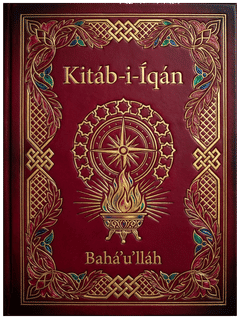
Kitáb-i-Íqán cover

Kitáb-i-Íqán

Bahá’u’lláh

The principal doctrinal work of the Faith, revealed in Baghdad within the space of two days and two nights in response to questions from the Báb’s maternal uncle. Shoghi Effendi described it as occupying a position unequalled by any work except the Kitáb-i-Aqdas — a model of Persian prose, at once original, chaste, vigorous, and remarkably lucid.

291 ¶

Prayers and Meditations cover

Prayers and Meditations

Bahá’u’lláh

Published in 1938, this companion volume to Gleanings contains 184 prayers and meditations selected by Shoghi Effendi from Bahá’u’lláh’s devotional writings revealed across successive exiles from Baghdad to ‘Akká. Shoghi Effendi described it as a volume whose perusal would deepen the spirit of devotion and faith.

858 ¶

Tablet of Aḥmad cover

Tablet of Aḥmad

Bahá’u’lláh

Revealed in Adrianople and addressed to a believer named Aḥmad, this Tablet has been invested by Bahá’u’lláh with a special potency and significance. Its central imagery draws on the metaphor of fire and water: “Be thou as a flame of fire to My enemies and a river of life eternal to My loved ones.”

17 ¶

Tablet of Carmel cover

Tablet of Carmel

Bahá’u’lláh

Revealed during a visit to Mount Carmel, this Tablet addresses the mountain directly and prophesies its future as the world spiritual and administrative center of the Faith. Shoghi Effendi designated it one of three foundational Charters. Its imagery of the Ark and the dwellers therein prefigures the Universal House of Justice.

5 ¶

Tablet of the Holy Mariner cover

Tablet of the Holy Mariner

Bahá’u’lláh

Chanted aloud in the outskirts of Baghdad just weeks before the Declaration in the Garden of Riḍván, its gloomy prognostications aroused the grave apprehensions of all who heard it. Only the Arabic portion has an authorized translation; the Persian portion remains untranslated.

57 ¶

The Hidden Words cover

The Hidden Words

Bahá’u’lláh

Seventy-one Arabic and eighty-two Persian aphorisms revealed around 1858 while walking along the banks of the Tigris in Baghdad. Originally designated the “Hidden Book of Fáṭimih,” Shoghi Effendi described it as a marvelous collection of gem-like utterances occupying a position of unsurpassed preeminence among the ethical writings of the Faith.

160 ¶

Will and Testament cover

Will and Testament

‘Abdu’l-Bahá

Written by ‘Abdu’l-Bahá in three parts between 1901 and 1908, opened and read after His passing on 28 November 1921. Shoghi Effendi designated it the Charter of the New World Order — the mightiest instrument forged to ensure the continuity of the three ages of the Bahá’í Dispensation.

59 ¶